
Working previously in a busy medical assessment unit, I have often treated patients with oncology related conditions such as lung, bowel, bladder, breast and renal cancers. When the biopsies comes back, your heart immediately sinks, you know it isn’t good news and you have to be the person to deliver this to the patient.
Cancer research UK reports that nearly 50% of people today will have some form of cancer diagnosis in their lifetime.
In the acute setting, you end up treating infections, often, a result of these patients with cancer (due to being immunocompromised), but later on, it’s a battle to get these cancers under suppression. We use some of the most toxic, hard hitting and expensive drugs in the world to achieve this. Before my medical school finals, I remember recreating the ‘toxicity man’ diagram to help me remember all the various side effects these drugs cause.
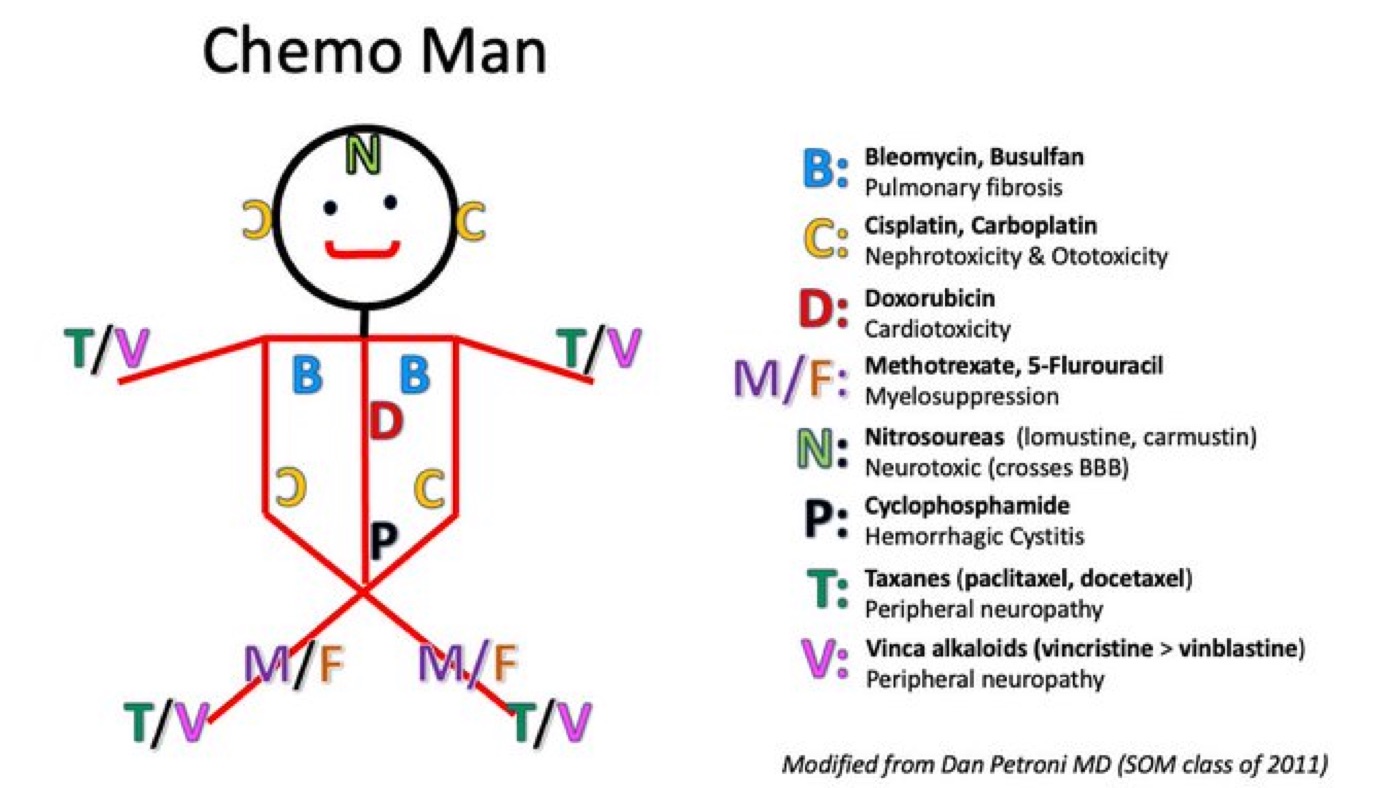
These drugs are also incredibly expensive, administered intravenously depriving patients of autonomy. Patients need to come to the hospital weekly, be cannulated, have staff looking after them and bed spaces given whilst also sitting for hours to receive these drugs but these drugs are vital, we need them more than ever before.
To truly visualise how much demand there are for some of these drugs today, let’s look at the highest revenue generating drugs of the year.
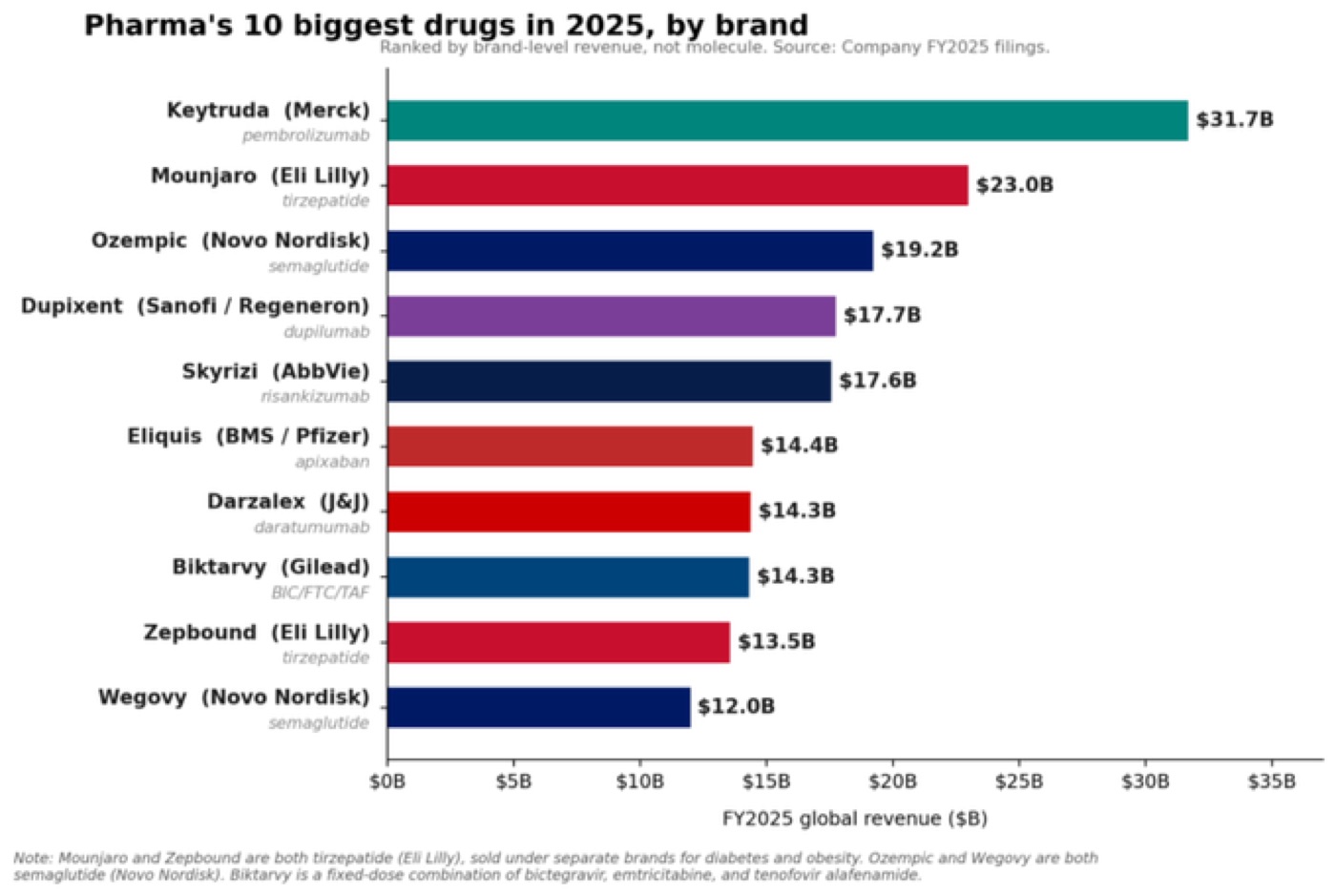
Keytruda, also known clinically as Pembrolizumab, sits 1st, the highest individual brand at over $30b in annual revenue. Last year, it was larger than Mounjaro and Ozempic, two drugs that I’m sure many of you reading have heard of rather than a Pembrolizumab. This cost is before the additional costs of administration including hospital visits, doctors and nurses, and other care on top.
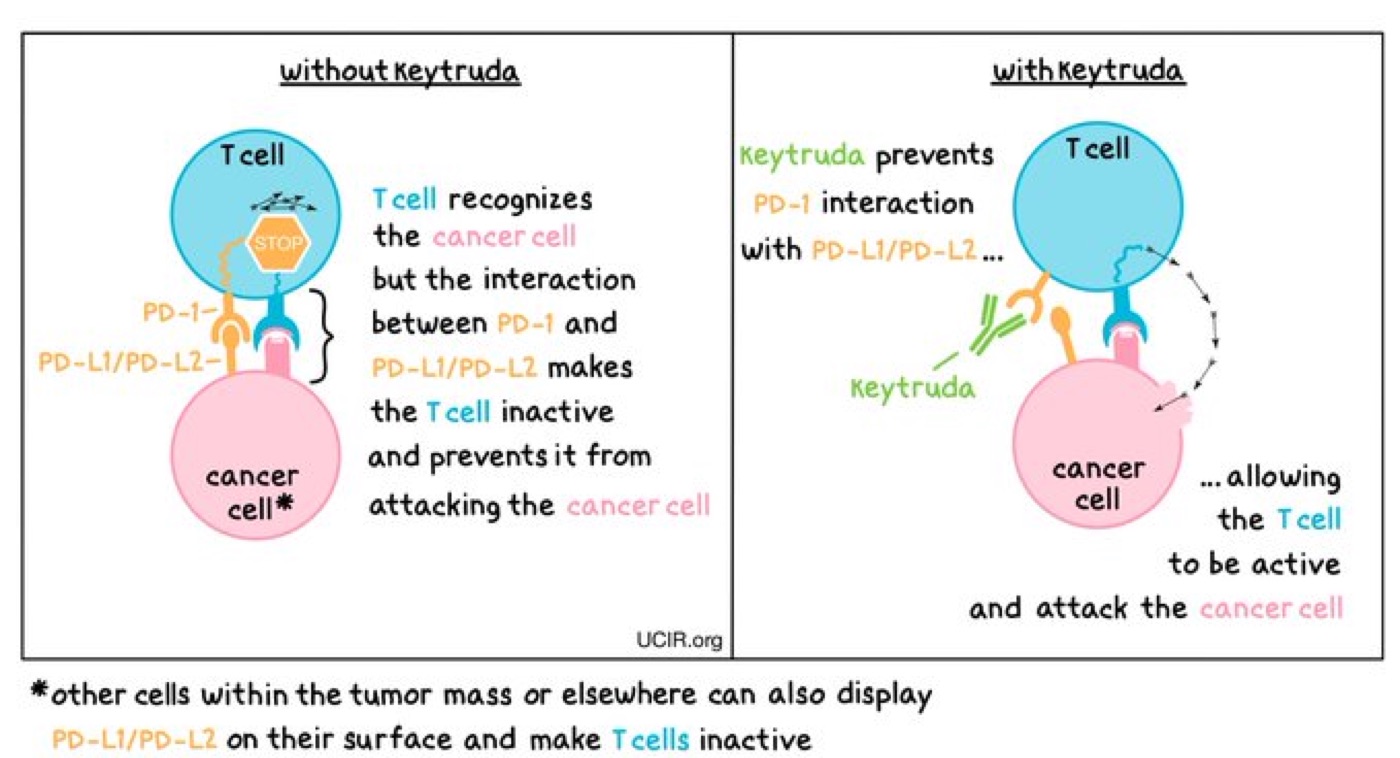
Pembrolizumab is a monoclonal antibody drug, essentially a lab engineered version of a natural human antibody and its main function is to put the brakes off the human body’s immune system so that it can fight cancer cells. It works on the interaction between PD-1 and PD-L1 to allow T-cells (a type of lymphocyte) to become active again to kill cancerous cells.
It’s made today via CHO mammalian cells with a chain of chromatography steps followed by dissolving within a solution. This is the form it also comes in which is why patients receive the drug in IV form.
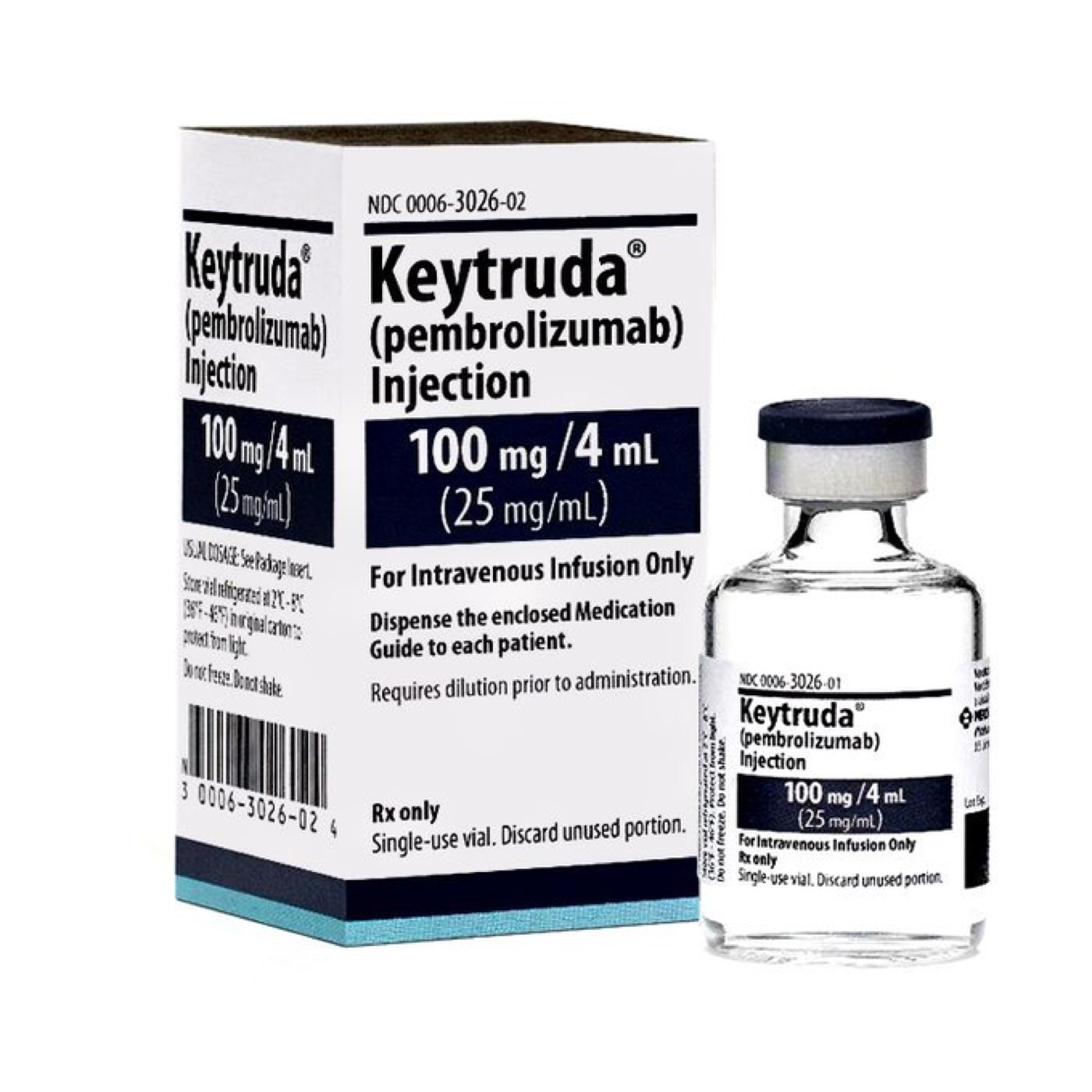
This takes us to our discussion above. This form factor is still expensive for patients because of the costs associated with having IV’s as mentioned earlier.
Where does space fit in?
There is a way we can revolutionise to create news drug like Pembrolizumab and it’s through microgravity.
When drug formation happens, especially in a form factor such as a subcutaneous injection, something many of you will have seen patients such as diabetics use for insulin often in the abdomen, upper arm or upper thigh, the product must be concentrated with antibodies. Subcutaneous needs over 10x the mg/mL compared to that of an IV infusion. At this level of concentration, the liquid turns viscous and proteins begin to aggregate making it difficult to not only manufacture, but also to push through a needle. The solution is to grow high quality uniform crystals, all with identical sizes and shapes, but that’s not easy, growing good quality uniform crystal structures is hard on earth.
Why?
Transport processes, especially something known as ‘mass transport’ are important in the growth of crystals in solutions. Differences in densities produced by the active movement of ions from solution to lattice lead to convective flow. Transports affects not only the ions and molecules that end up creating the crystal structure itself, but also leads to the addition of impurities within the crystal. Gravitational forces lead to heavier fluids falling giving rise to convection currents and therefore impurities within the crystal structure itself.
In space, especially at LEO, chemicals can suspend within a liquid allowing them to mix uniformly. The absence of movement results in a lack of convection currents and protein molecules can link together into perfectly ordered, highly concentrated crystal structures.

Large pharma companies such as Merck Group have been testing this in collaboration with the international space station. Over the last 10 years, they have been working on making this happen and by leveraging microgravity effects conditions producing crystalline suspensions of homogeneous monomodal particle size distribution (39 μm) in high yield were produced. This is in contrast to what was achieved on the ground where the yield resulted in a varied distribution of 13 and 102 μm particles.
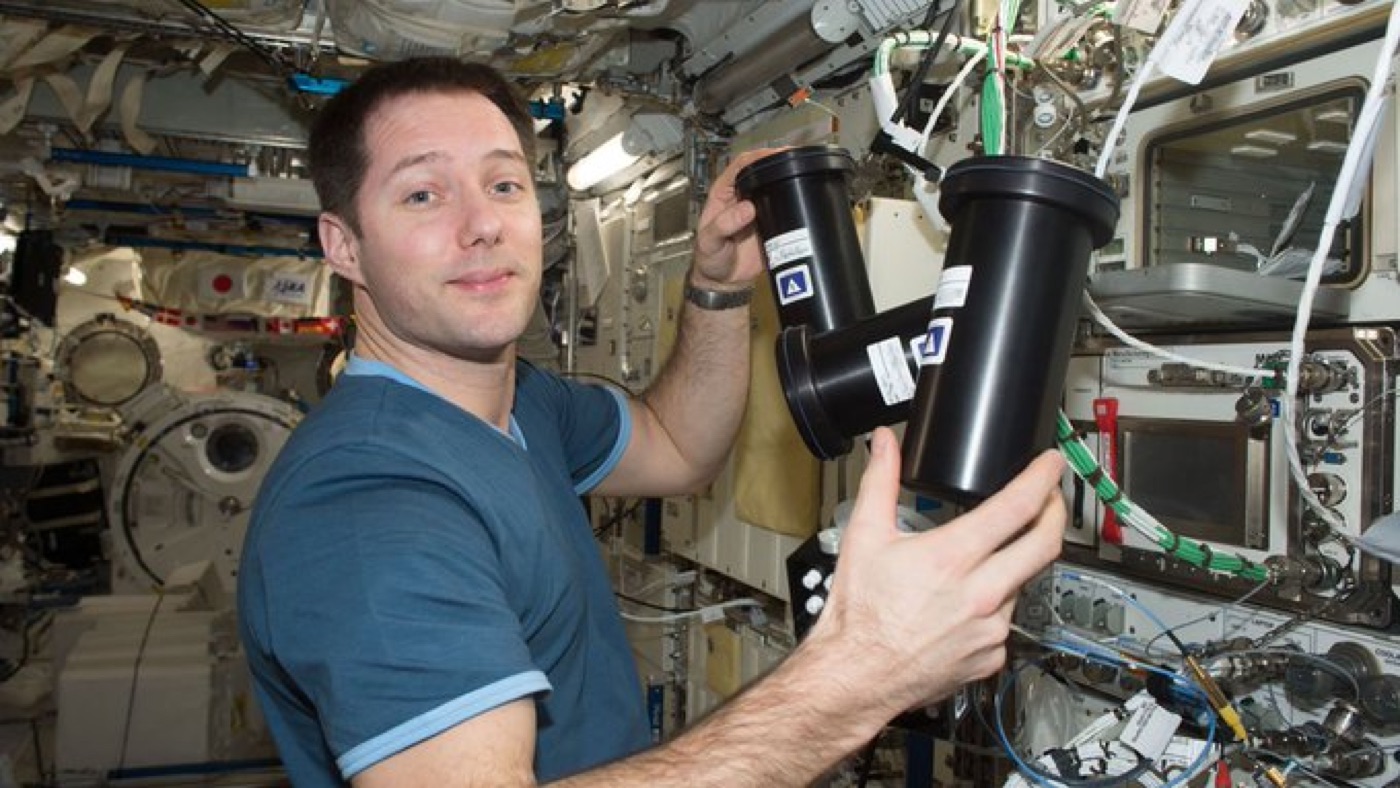
Knowing that, Merck went back to Earth and redesigned the terrestrial process around suppressing those two effects. They were then able to produce uniform crystalline suspensions on the ground, with properties suited to subcutaneous injection rather than infusion.
The value of the experiment was not the material it produced. It was the knowledge that gravity, specifically sedimentation and convection, was the thing standing between an infusion and an injection. You cannot learn that on Earth, because on Earth you cannot switch gravity off to see what happens without it. Orbit was the only place to run the control experiment.
What has changed?
Firstly - The SpaceX Phenomenon
One of the biggest caveats to launching in space today has always been the cost. Thankfully, it’s something we’ve been able to bring down over time.
Launch costs are over 100x cheaper than 65 years ago and today we’re looking at approximately $1500/kg to enter orbit. The price is going to reduce even further to under $200/kg with the upcoming SpaceX starship. For the first time in human history, the economics finally align with the commercial sector of space expanding like never before.
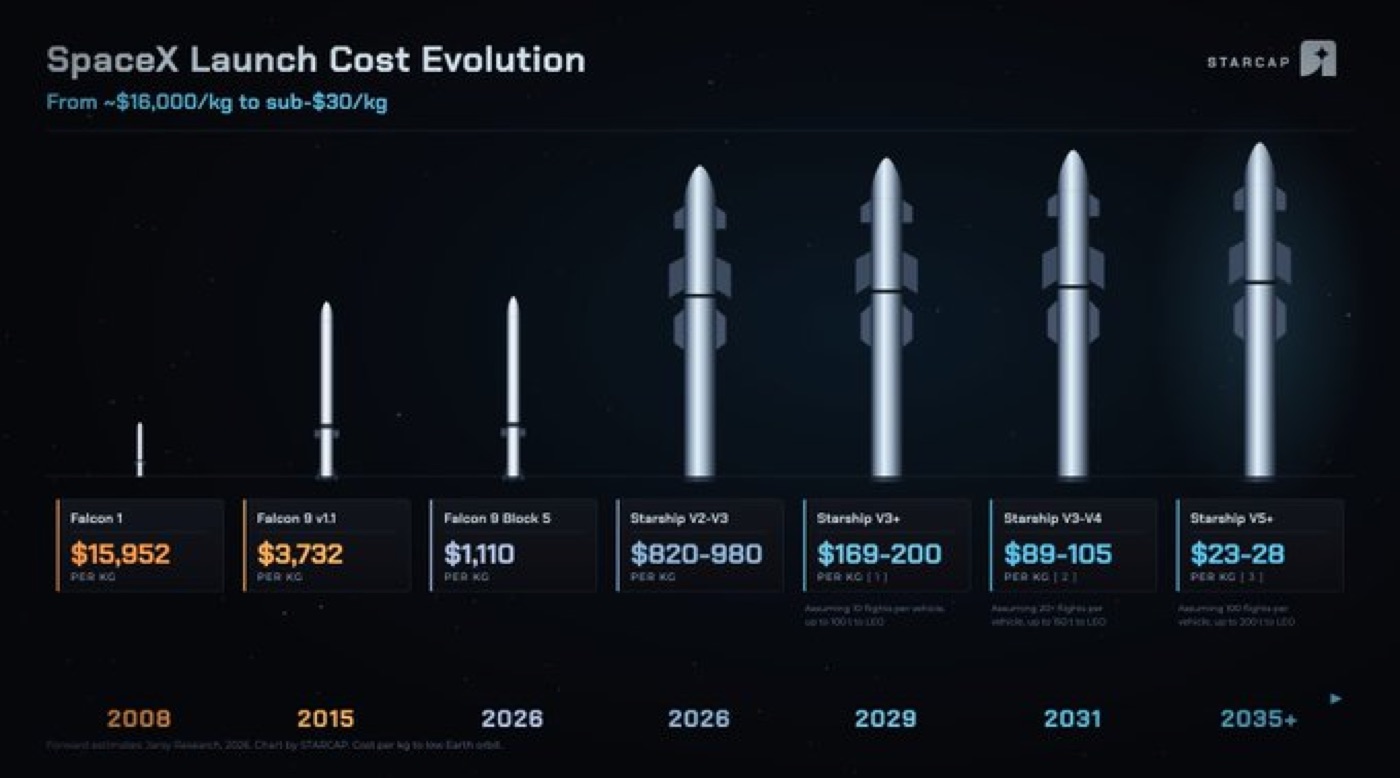
The next question that often sparks to mind following reading the above may be around the costs associated with pharmaceutical production in space. How do you get up there? How many astronauts do you need? All valid questions and we’ll address some of them below, firstly on how to make a drug in space.
Manufacturing in space
There are 2 methods we can discuss. The first involves building simple hardware items that represent that of a lab itself with 3d printer production, an astronaut with assistance to be available and a hands on approach. The second approach is one many of the leading space startups are adopting with an automated cassette system.
These include 4 classical methods of automation including batching, vapor diffusion, dialysis and counter diffusion. At the right moment, small pumps and valves squeeze them together, or a membrane lets them slowly seep into each other. A heater and cooler run a temperature program. This is the recipe. Warm it, then cool it slowly, and crystals form. The crystals get dried or settled so they stop changing, then come home.
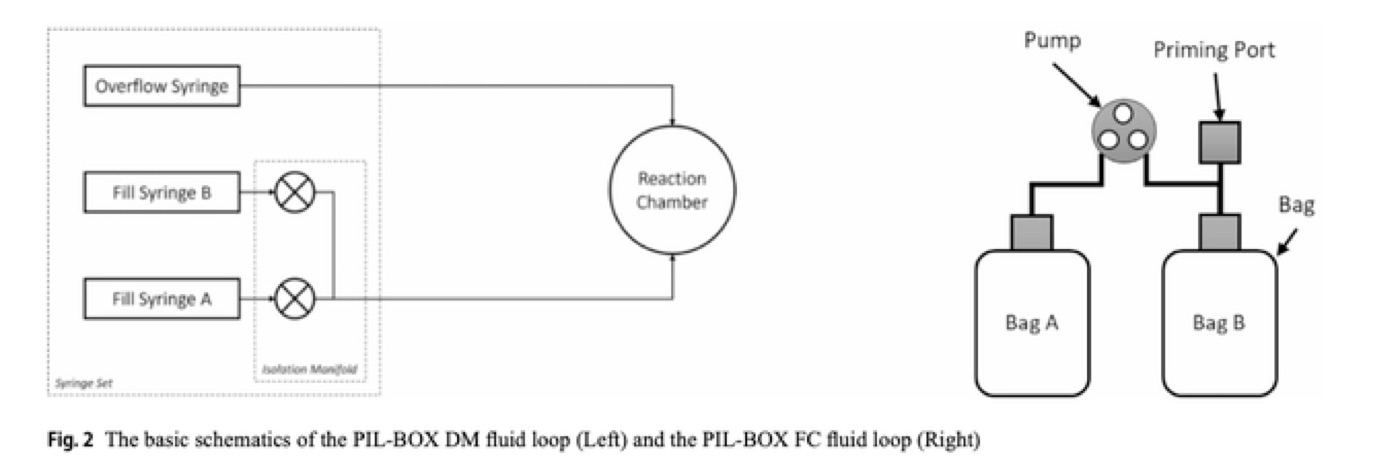
Hosted lockers on the ISS - a drawer-sized processor that plugs into station power and data, runs automated, downlinks images, and rides home in a cargo capsule. Cheap and repeatable, but you inherit the station’s schedule and vibration, and you fly only when a resupply flies.
Free-flying capsules - an autonomous spacecraft that manufactures alone in orbit and reenters on its own. No station dependency, control of your own thermal and vibration environment, and you land when you choose. Far harder, because you own reentry too.
The two large problems today are:
- Fouling - Crystals stick to the walls of the tubes and can block them, with nobody there to unclog it. The finished crystals have to survive the heat and violent shaking of coming back through the atmosphere without melting or falling apart.
- The return - With time, we’ve become better at bringing things into space, but one of the biggest bottlenecks remains bringing things back down to earth.
The return - With time, we’ve become better at bringing things into space, but one of the biggest bottlenecks remains bringing things back down to earth.
In orbit you are moving at about 28,000 km per hour. All that speed is energy, and to land you have to get rid of nearly all of it. You cannot use engines, because carrying that much fuel is impossible. So you use the atmosphere as a brake. You fire a small thruster to dip into the top of the air, and the air does the rest.
The problem is where that energy goes. It turns into heat. The air in front of the capsule gets compressed so violently it glows into plasma at over 1,500 degrees C. A heat shield takes the hit, usually by slowly burning away in a controlled manner. Once slowed to a few hundred km per hour, parachutes open and it lands. Your product is sitting inside all of that. It gets cooked from outside, shaken hard, and pulled by several times its own weight in g-forces.
The manufacturers today
Varda Space Industries builds a spacecraft about the size of a small fridge. It flies itself, grows drug crystals in orbit, and then falls back through the atmosphere to land in the South Australian desert. It has now done this six times. Its first capsule came home carrying crystals of ritonavir, an HIV antiviral, and the company is working toward a monthly rhythm of manufacture and return. That cadence is the real ambition. It is the difference between running an experiment and running a production line.
Varda also has a second business that most coverage misses. A capsule coming home at hypersonic speed is, by definition, a hypersonic test environment, so the company rents its reentries to defence customers. Money from that work pays for the pharmaceutical programme while the pharmaceutical programme is still years away from a product a patient could take. It is the most durable arrangement anyone in this sector has found.
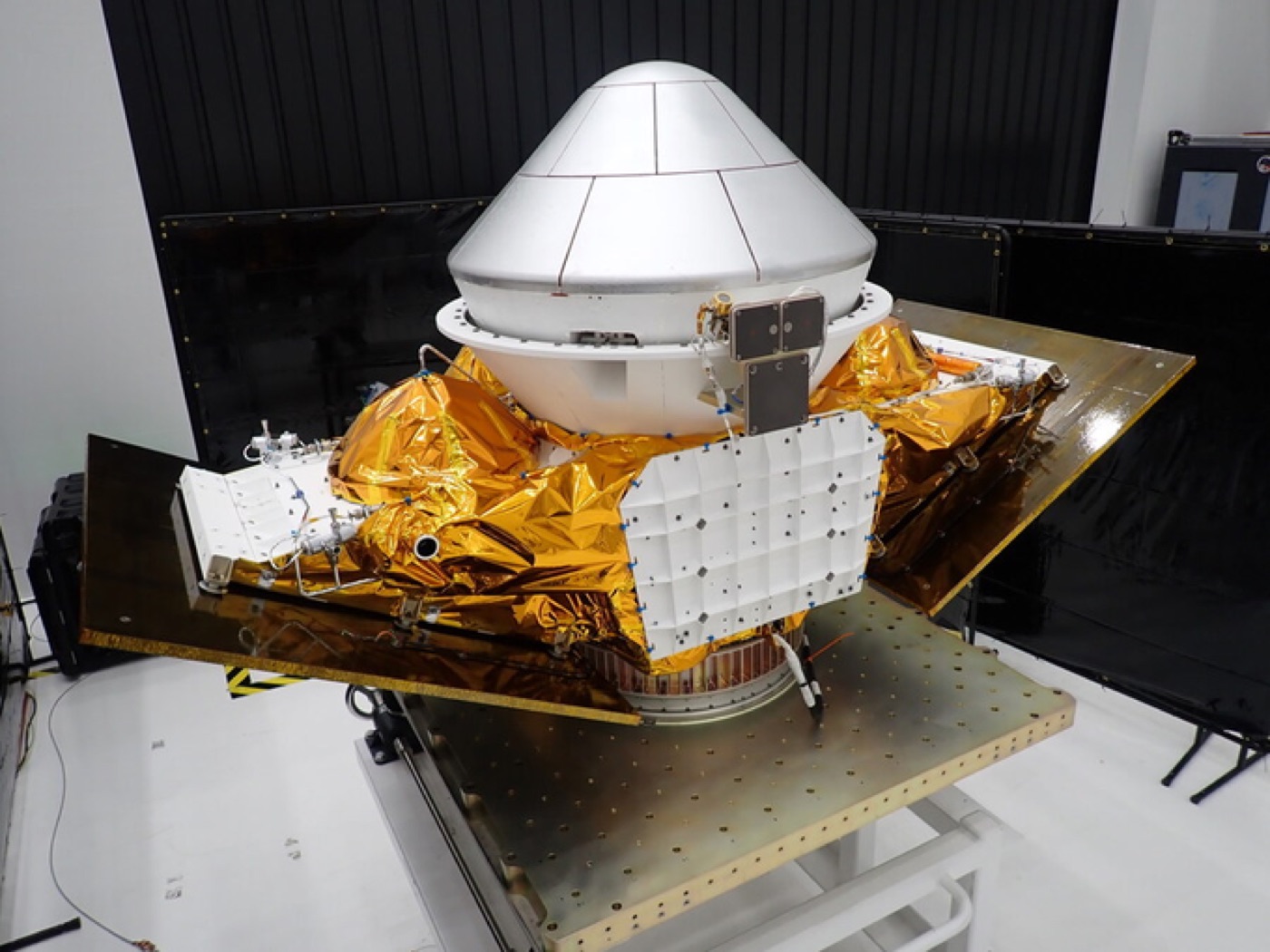
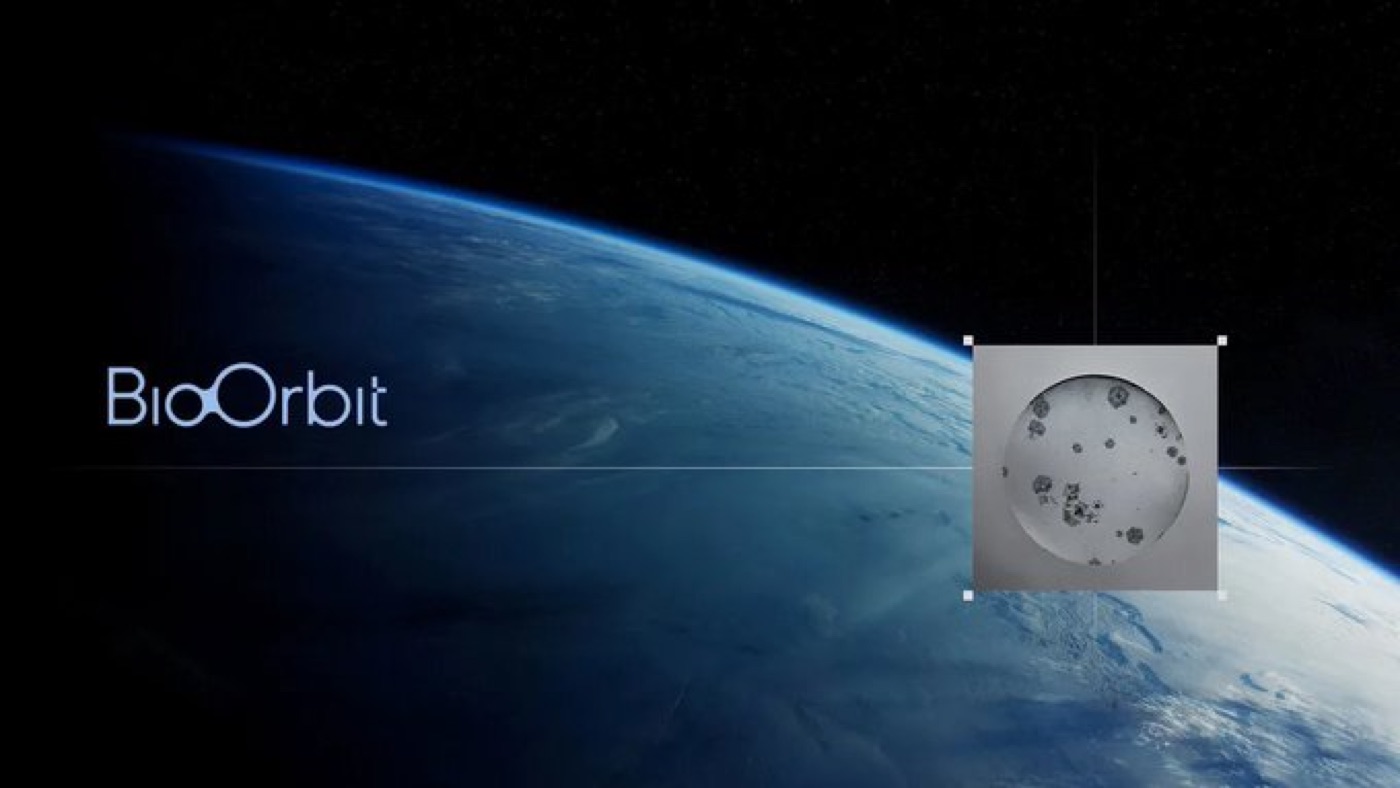
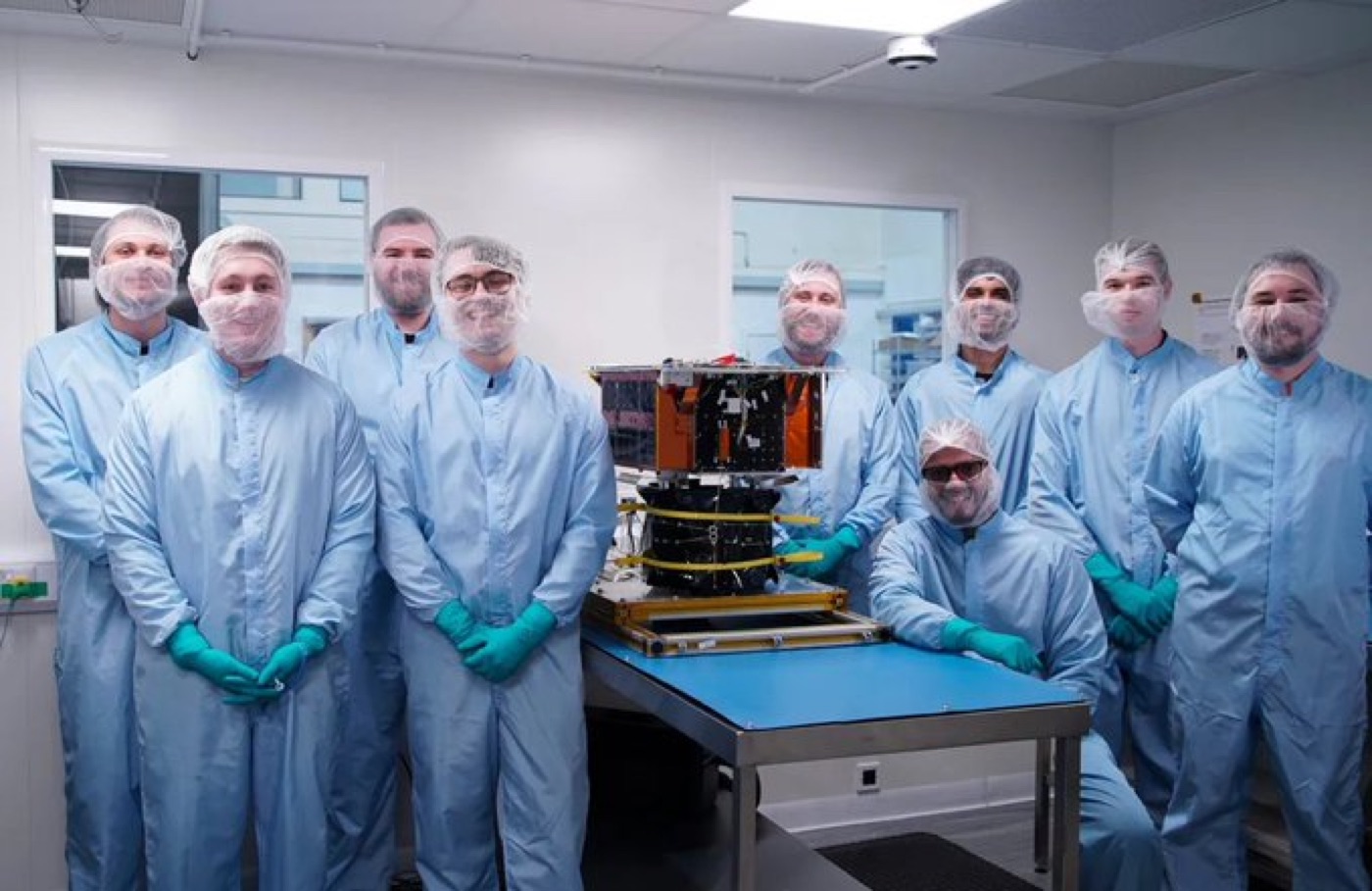
BioOrbit by Katie King, PhD crystallises antibodies in microgravity to get past the viscosity barrier, using an autonomous unit roughly the size of a microwave that can be stacked with others rather than redesigned. The destination is a patient injecting their own cancer treatment at home in under a minute, instead of giving up an afternoon to an infusion pump in a hospital.
Two smaller companies are producing different things by the same logic. LambdaVision, Inc. is building an artificial retina, assembled layer by protein layer, because microgravity lays those layers down more evenly than gravity allows. Eascra Biotech makes nanoparticles for drug delivery, where consistency of particle size translates directly into consistency of dose.
The way home
If re-entry is the bottleneck, then the companies solving it deserve attention, and there are strikingly few of them.
Varda has proved it repeatedly. Europe, remarkably, cannot yet do it at all, which is why The Exploration Company has raised so heavily and why its Nyx demonstrator mattered in 2025. That capsule deorbited successfully and then lost contact before landing, a partial result that tells you how hard the last few minutes are.
Germany’s ATMOS Space Cargo flew a capsule the same year using an inflatable heat shield, a design that packs small on the way up and opens wide on the way down. America’s Inversion is building a vehicle that glides home rather than falling. Between them, these companies represent very nearly the entire commercial capacity of the planet to bring a manufactured product back from orbit.
The landlords
The International Space Station retires around 2030. Every experiment described in this article, every crystallisation run, every cell culture, currently depends on an address that is being decommissioned. Somebody has to build the replacement, and whoever does will own the only real estate in a market with no alternatives.
Axiom Space is furthest along. Rather than launching a free-flying station and hoping customers arrive, Axiom plans to berth its first module directly to the International Space Station, operate as an extension of it, and then detach to fly independently when the older structure is retired. It inherits the customers, the crew traffic, and the operational rhythm before it has to stand alone.
Axiom is also the only station company treating pharmaceuticals as a named commercial vertical rather than one research category among many, with a team dedicated to courting drug companies and partnerships already running, including nanoparticle production with Eascra. It earns revenue today from private astronaut missions, which is unusual in a field where most companies earn nothing at all.
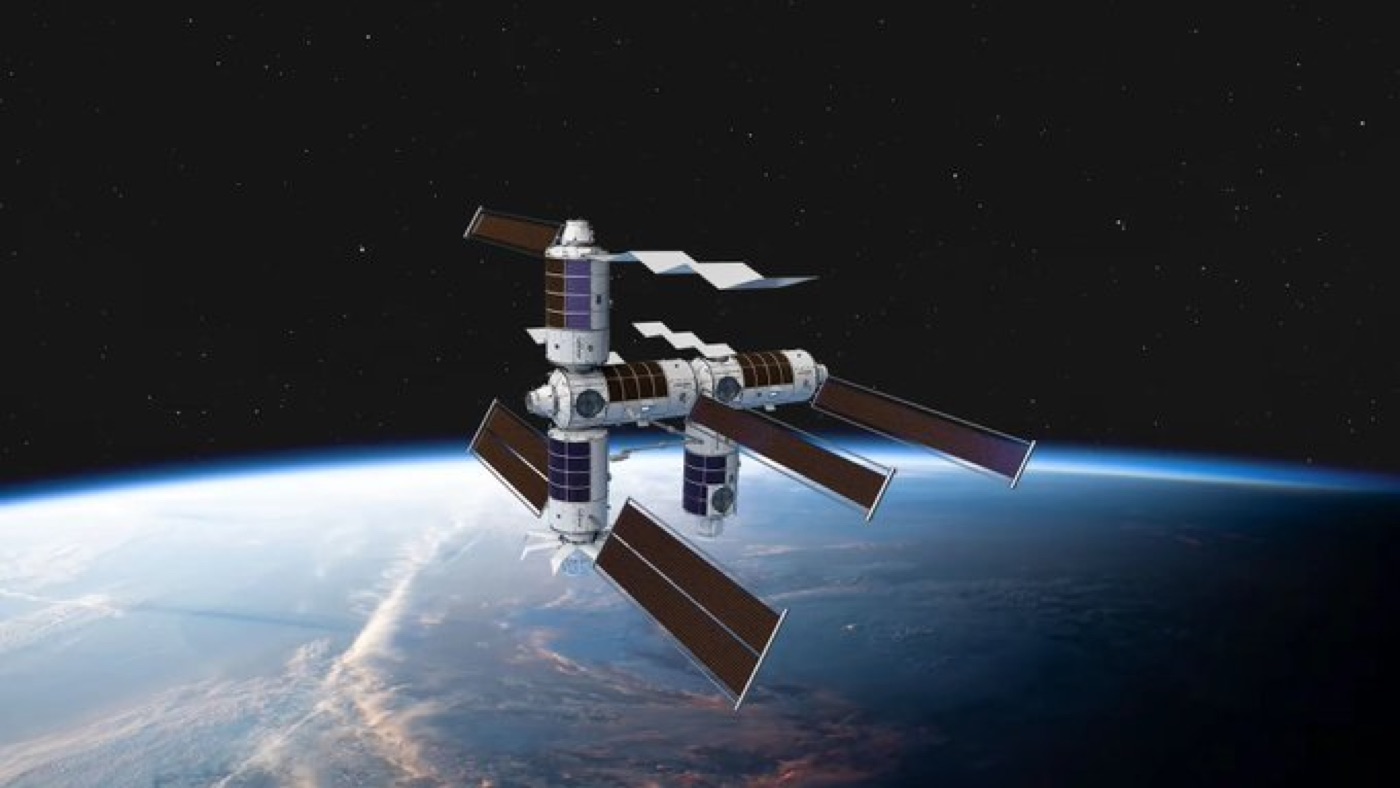
Vast is chasing Haven as the first commercial station in orbit. Being first would matter commercially, because the first operational commercial station becomes the default destination for everyone whose experiment currently lives on the ISS.
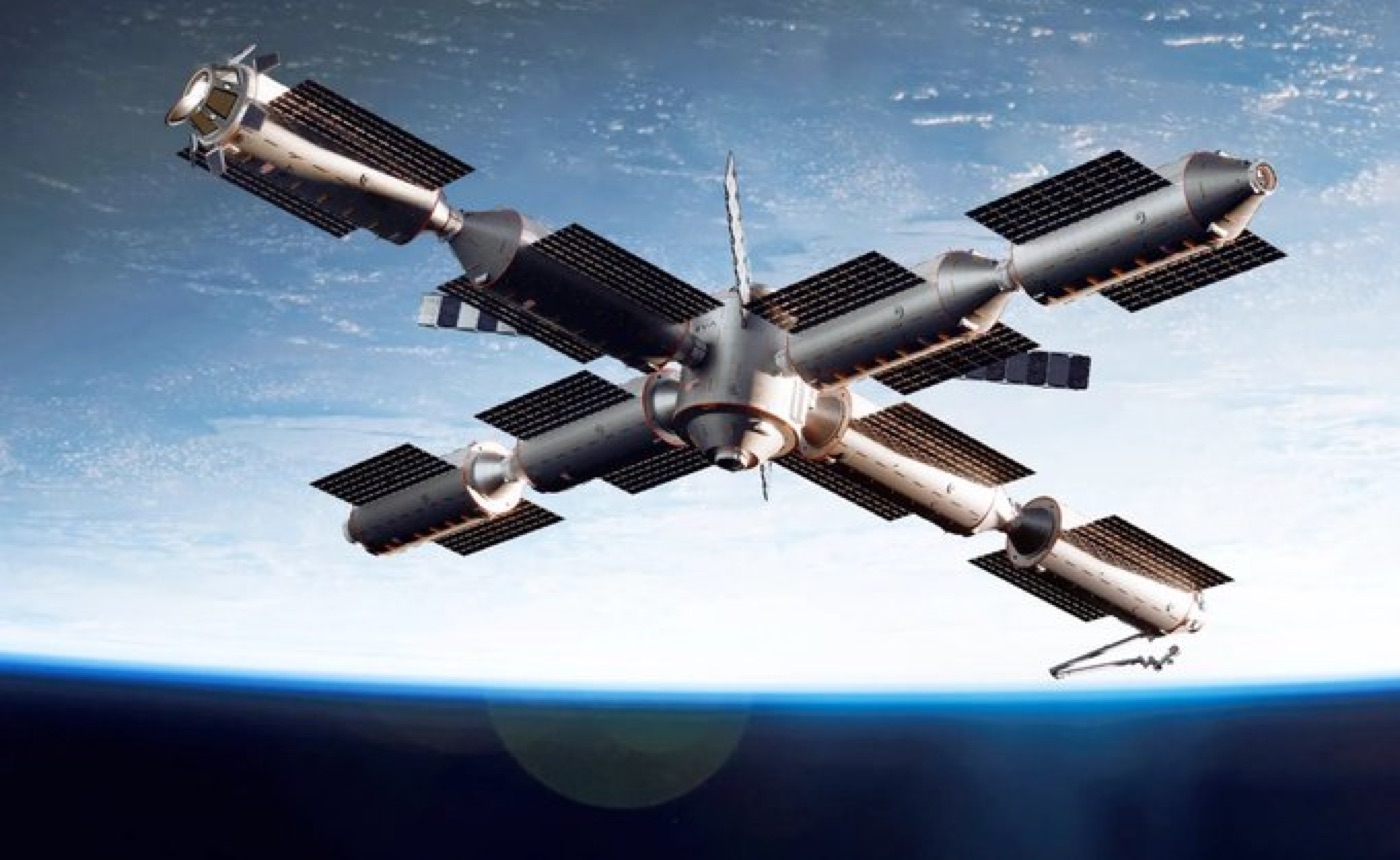
Space Forge belongs in this section too, and it is the one most often filed in the wrong category since they manufacture semiconductors rather than medicines, which leads people to set it aside in a pharmaceutical discussion. That is a mistake, because what Space Forge is really building is the return layer everybody needs.
Its ForgeStar-1 mission, named The Forge Awakens, became the first free-flying commercial semiconductor factory ever operated in orbit and successfully generated plasma in space, proving the conditions for growing advanced materials can be created and controlled up there.
Conventional heat shields are fixed, heavy, and largely single-use, which means every return flight consumes an expensive piece of hardware. Pridwen, a deployable heat shield named after King Arthur’s shield, unfolds during descent to create a larger braking surface while staying lighter and easier to recover. A reusable heat shield does to the cost of coming home what reusable boosters did to the cost of going up. If it works, it changes the economics of return for everyone, including every drug maker mentioned here in this article.
Every medicine in human history has been made at the bottom of a gravity well.
Every crystal grown, every protein folded, every cell cultured, every suspension settled. All of it under one constant that no chemist ever got to switch off. That is what makes Merck’s experiment more significant than the product it did or did not produce. For the first time, a pharmaceutical company removed gravity from the equation and looked at what happened. What they found was that sedimentation and convection, forces so ordinary we forget they are acting, were the specific reason a crystal would not form properly.
Once you have seen that, the question stops being whether we should make drugs in space. The question becomes how many other things we have been getting wrong for the same reason, and never knew.
What comes into range
Most biologics must be kept refrigerated from the factory to the patient, an unbroken chain of temperature control that spans continents and fails constantly. It is one of the main reasons advanced medicine is difficult to deliver in much of the world. Crystalline formulations are inherently more stable than liquid ones. A room-temperature antibody would not just be a convenience. It would change who on this planet can be treated at all.
Then tissue. On Earth, engineered tissue collapses under its own weight, so it has to be grown on scaffolds that constrain what you can build. In orbit it does not collapse. Cells assemble into three-dimensional structures that behave far more like real tissue than anything achievable in a dish. That is the path toward printed organs, and toward tumour models that behave like actual tumours rather than flat approximations of them.
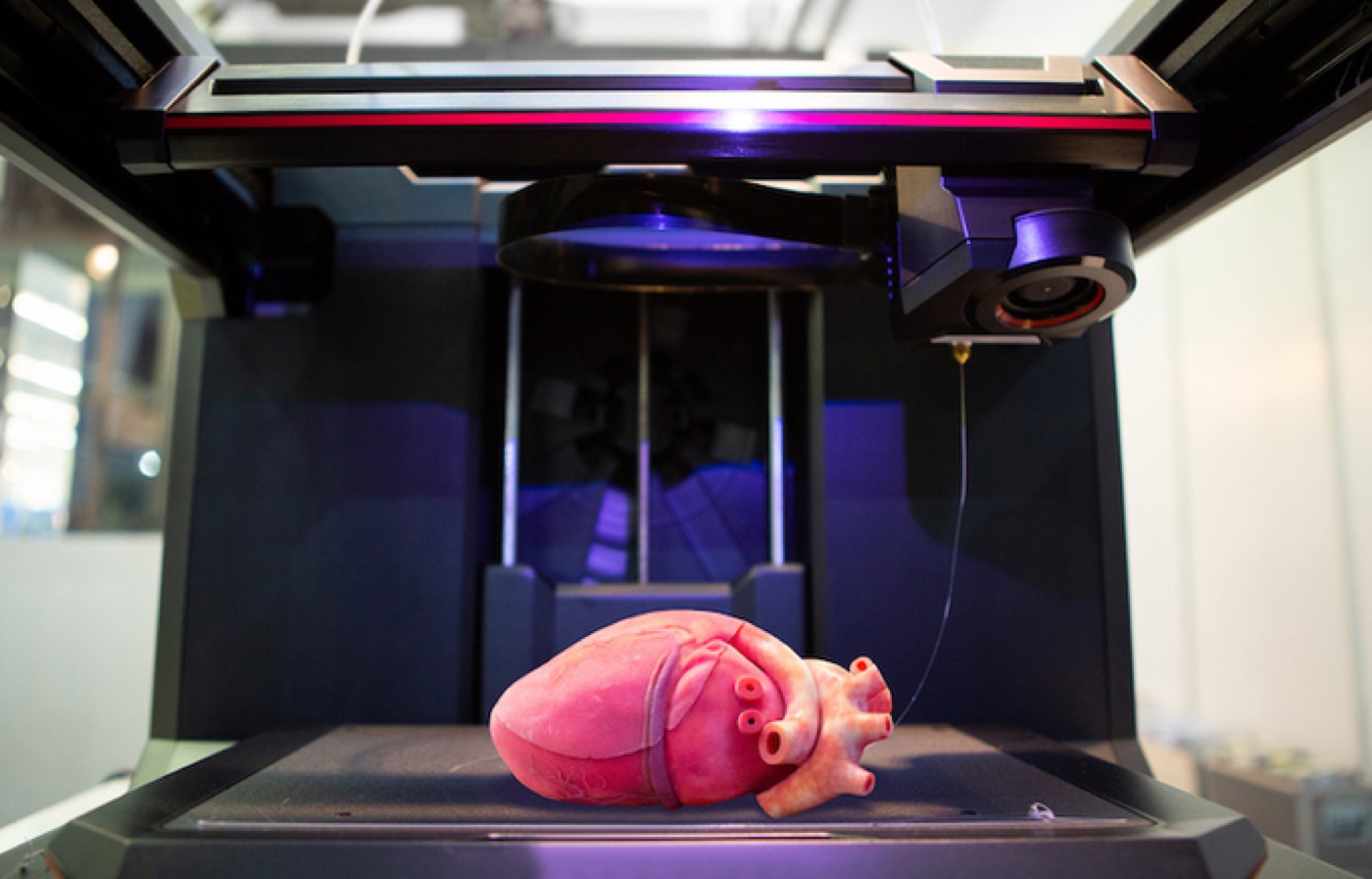
Then discovery itself. Better crystals mean sharper structural data, and structural data is how modern drugs are designed. A clearer picture of a protein is a faster route to the molecule that binds it.
None of this requires a leap of faith about rockets. It follows from a single physical fact, that gravity distorts how matter assembles itself, and from the recent, unglamorous achievement of being able to leave it behind for a few weeks at a manageable cost.
Why now, and not ten years ago
The science has been credible for decades. What was missing was everything around it.
That is what has changed. Launch costs have fallen roughly a hundredfold and are still falling. Capsules now return from orbit on a rhythm rather than as an event, and reusable heat shields are in development that would do to the cost of coming home what reusable boosters did to the cost of going up. Automated laboratories the size of a microwave have replaced the need for an astronaut’s hands. Commercial stations are being built to replace the one that is retiring. Each of these was a blocking constraint five years ago but is now a company with hardware in flight.
Back to the ward
I think about a patient sitting in a chair with a cannula in their arm, giving up an afternoon, every few weeks, for as long as the treatment lasts.
The molecule going into them is one of the great achievements of modern science but what isn’t is the chair or bed, the pump, the nurse, the travel, the waiting, the cold storage behind it all, that is the inheritance of making medicine under conditions we never chose and never questioned.
If the last century of medicine was about discovering what molecules can do, the next may be about finally controlling the conditions under which we make them. Gravity is the oldest constraint in manufacturing, and for the first time we have somewhere to go to escape it.
Where we look
At Starcap , we spend our time on this sector because pharmaceutical manufacturing is the clearest case we have found of space doing something that cannot simply be done better on the ground. The product is small, light, extraordinarily valuable, and shaped by the one force you can only remove by leaving.
We believe the commercialisation of space is upon us and the above is just one of the ways the space sector grows multiples from here. If you’re passionate about this sort of innovation, then get in touch and we’d love to chat.