The launch business model, told through @SpaceX, @blueorigin, and @RocketLab, the three that proved launch is not the business.
The Economics of Getting to Orbit
Before you can see where the money is or where the gaps are, you need to know what a launch company sells, and it is narrower than it looks.
The Product Is Mass to Orbit
A launch company sells one product, the delivery of mass to a target orbit, and its rocket, pad, factory, and workforce are all cost in service of it.
Price comes in two forms, a figure for the whole vehicle and a figure per kilogram, and the latter is what lets a customer compare providers.
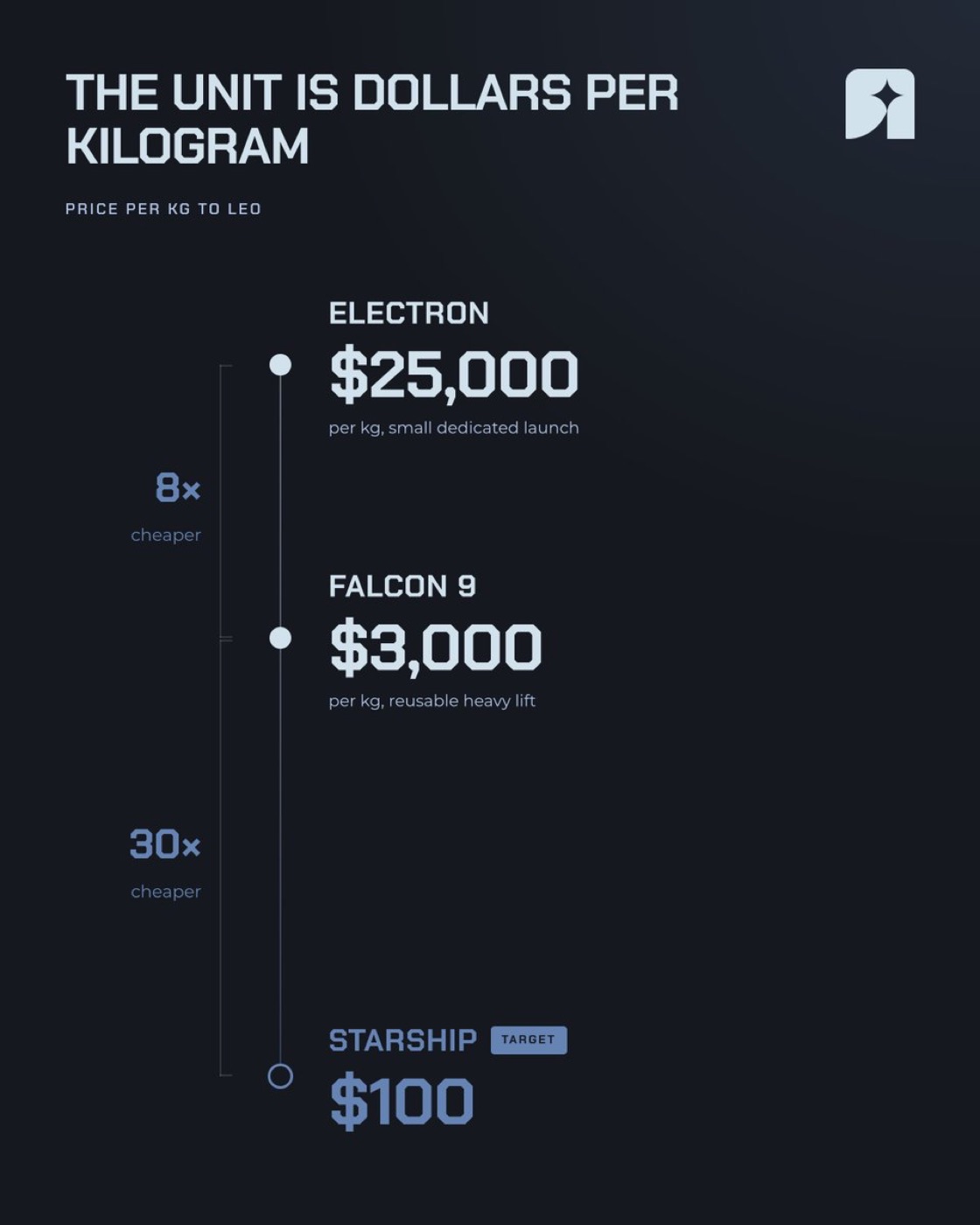
A dedicated Falcon 9 lists at $74M through 2026 and carries up to roughly 22,000 kg to low Earth orbit, a headline rate near $3,000 per kilogram.
A dedicated @RocketLab Electron, by contrast, lists near $7.5M for about 300 kg to the same orbit, roughly $25,000 per kilogram or close to 8x the Falcon 9 rate, and that gap is not inefficiency.
It is instead the cost of a small rocket flying one customer's payload alone, unlike rideshare, which costs a fraction as much, covered later in this article.
That price is not what the flight costs the operator. A reused Falcon 9, for example, carries an estimated marginal cost near $15M on an already-built booster, putting the $74M list at roughly 5x the cost of flying it again.
That gap grows because reuse drives cost down while the market lets price stay flat, and the widening space between the two is margin.
The per-kilogram rate is still falling. SpaceX targets near $100 for Starship, about a 30x cut from Falcon 9 if rapid reuse performs as claimed, though no paying customer has flown at that price yet.
Those figures all assume low Earth orbit, and the number changes the moment the destination does.
Why the Destination Sets the Price
A higher or more distant orbit takes more speed to reach, and the rocket spends that speed from a fixed budget of energy, so the farther a payload travels the less of it a rocket can carry.
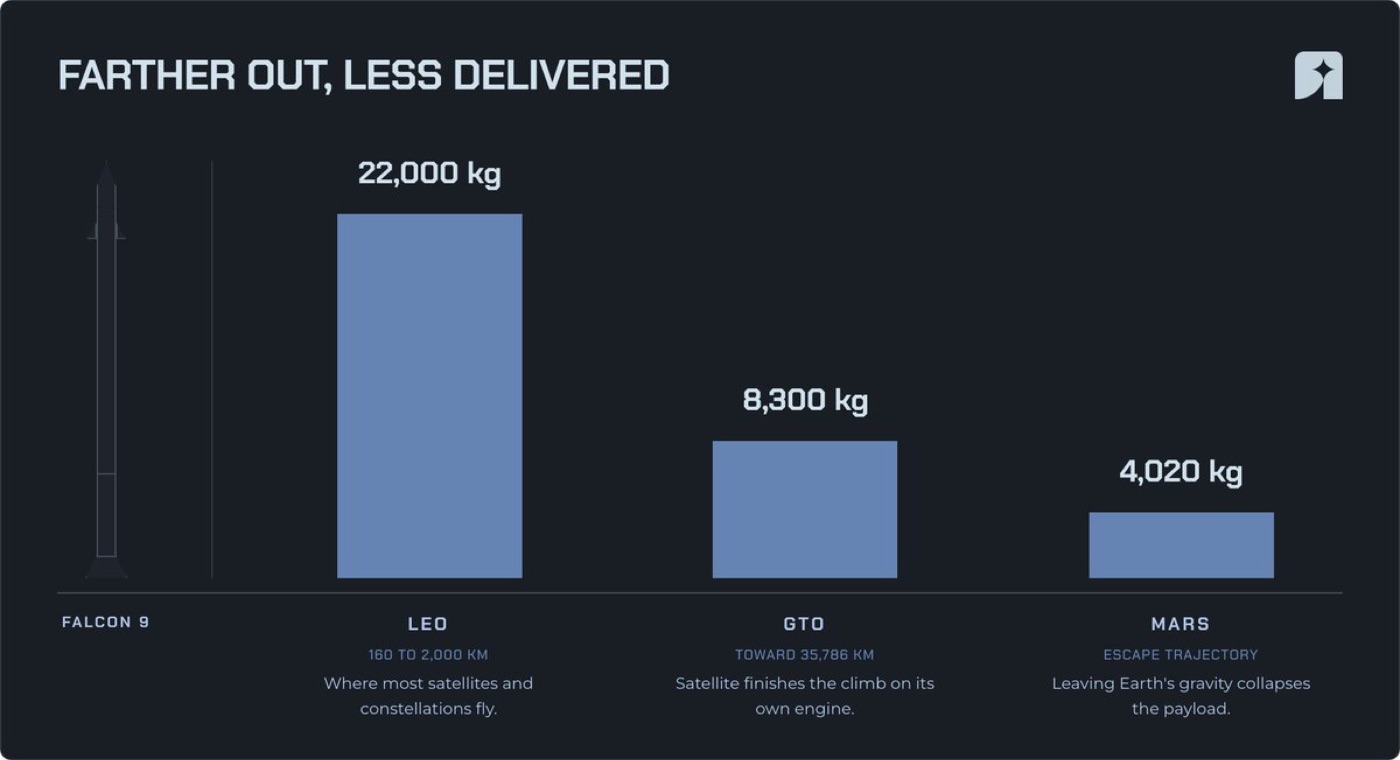
Falcon 9 lifts about 22,000 kg to LEO, about 8,300 kg to GTO, and about 4,020 kg toward Mars, the same rocket at nearly the same price carrying less than a fifth as much to the farthest target.
Since a launch costs roughly the same whatever it carries, the per-kilogram price rises as the destination grows more distant.
The second factor is the partial reusability of the booster, the first stage, which to land back on Earth after sending the second stage on its way must hold back propellant for the burns that turn it around, slow its fall through the atmosphere, and set it down, while carrying legs and grid fins a discarded booster would leave off.
Both the reserved fuel and the added weight are energy the payload never receives.
Falcon 9 lifts about 22,800 kg to LEO when the booster is discarded but about 18,500 kg when it is recovered, a payload tax near 19%.
Returning the booster to its launch site rather than a drone ship at sea costs more still, since reversing its course burns a larger reserve.
Between the two, a single price contains several products, so the only honest comparison is price per kilogram to a named orbit in a stated recovery mode.
Destination sets the price, but so does whether you buy the whole rocket or a seat on someone else's.
The Whole Rocket or a Slot
A dedicated launch books the entire rocket, carrying one customer's payload to the orbit it asks for, on a schedule it helps set.
A rideshare, by contrast, sells slots on a shared flight, so the customer pays only for its own mass but rides to whatever orbit the flight is already bound for, whenever it is ready to go.
A rideshare slot on a SpaceX Transporter starts near $6,000 per kilogram with about a 50 kg minimum, and a single flight carries over 100 satellites at once, splitting the cost of the rocket across all of them.
A dedicated Electron, meanwhile, runs closer to $25,000 per kilogram, roughly 4x as much for the same payload, because that customer pays for the whole vehicle rather than a share of it.
A dedicated launch places a payload in its exact orbit at a time the customer can plan around, while a rideshare trades both away for the lower price.
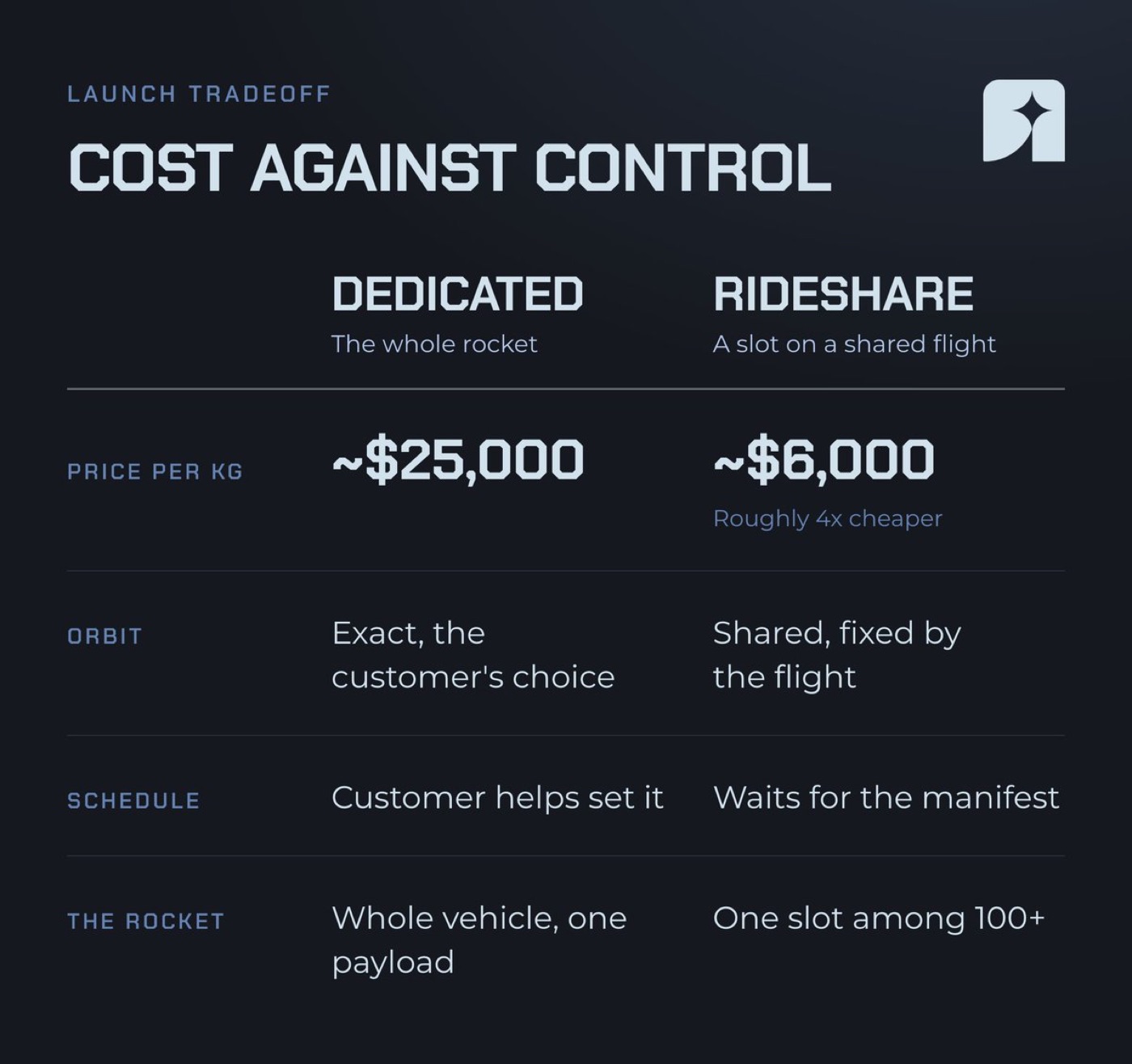
That is the whole choice, cost against control, which is why both run side by side rather than one replacing the other.
Regardless of approach, the demand behind it comes from two places that behave nothing alike.
Commercial and Government
Every launch traces back to one of two buyers. One pays a premium for reliability and difficult orbits, the other buys mass as cheaply as it can.
Governments buy assured access to orbit for civil and defence missions, and commercial operators buy capacity for satellites and constellations.
Government is the high-value buyer, with the @DeptofWar's current NSSL round committing nearly $14B across about 54 missions through the early 2030s, split near $5.9B to SpaceX, $5.3B to ULA, and $2.4B to Blue Origin.
The early contracts show what a single mission pays, with SpaceX assigned five launches for $714M and ULA two for $428M, roughly $143M and $214M a flight against a $74M commercial rate. That gap buys specific orbits, mission assurance, and certification.
Government money also built the incumbents, since @NASA's cargo and crew contracts funded SpaceX through years when it had no other reliable revenue.
Those contracts run on fixed prices tied to milestones rather than the older cost-plus model, which pays a provider for driving cost down instead of up.
Commercial demand is larger by volume and far more price-sensitive. It comes from satellite operators and the constellations that now dominate what gets launched, and most of it exists only because the per-kilogram price fell far enough to make the business case close.
SpaceX carries roughly 70% of the commercial market by mass, and each further drop in price pulls in payloads that could not afford orbit before.
Government supplies a dependable, high-margin backlog that de-risks the enormous cost of building a rocket. Commercial, in turn, supplies the volume that fills a manifest between those missions.
There is a third buyer the split leaves out, and for the largest operator it is the one that matters most.
The Customer Inside the Company
Of SpaceX's 165 launches in 2025, about 123 carried its own @Starlink satellites, near 74% of its flights, so the split into government and commercial leaves out the buyer that dominates the largest operator's manifest, itself.
That internal demand is why some fly at a cadence no rival can match.
SpaceX flew about 51% of all launches worldwide in 2025 and put up about 85% of all satellites, and Starlink now makes up more than half of every active satellite in orbit at over 9,900. The rocket exists in large part to build and refill that constellation.
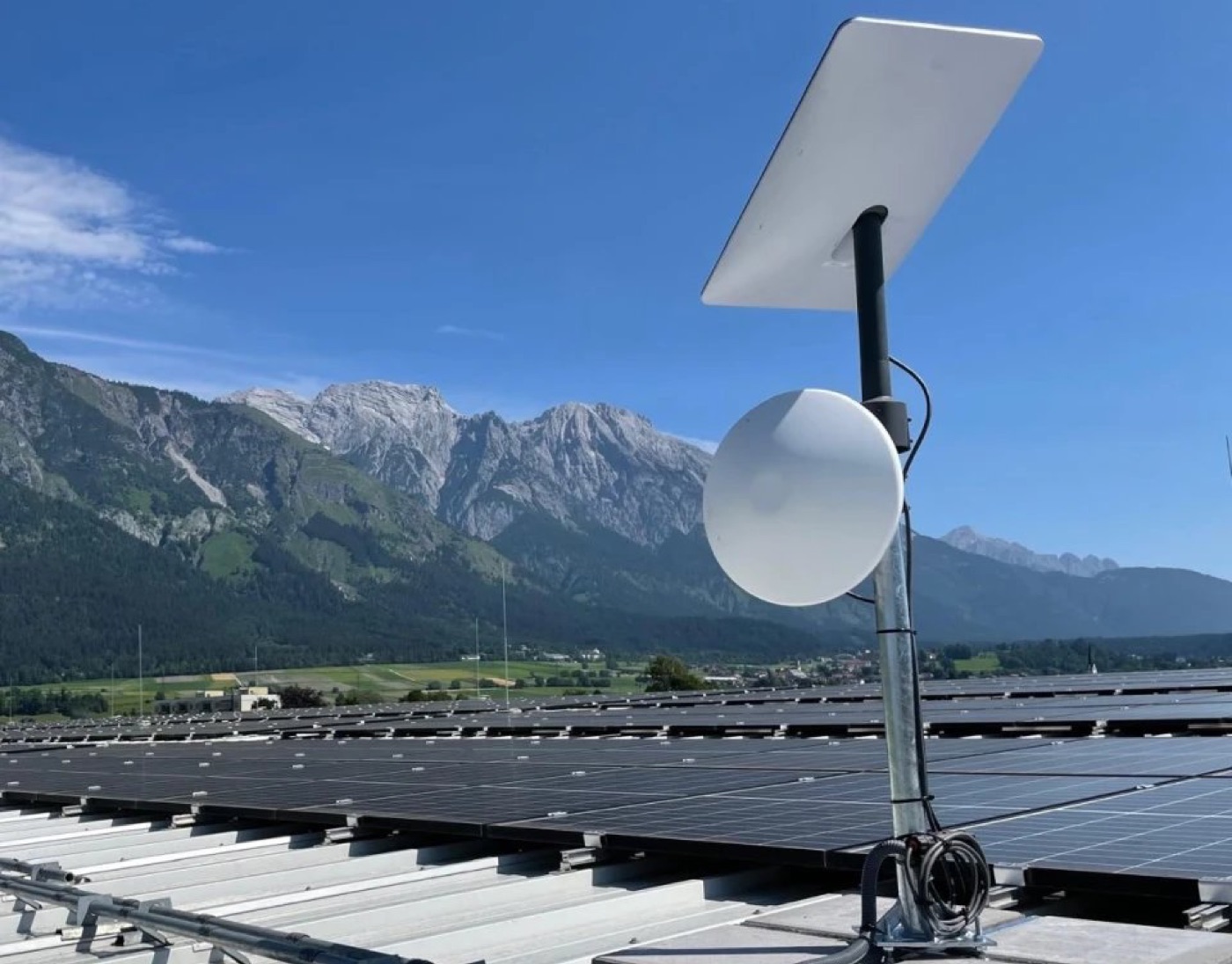
In its May 2026 S-1, SpaceX reported $18.7B in 2025 revenue, of which Starlink and related connectivity made up $11.4B, near 61%, against only $4.1B from launch itself.
In Q1 2026, the space segment turned $619M of revenue into a $662M operating loss while connectivity turned $3.3B into $1.2B of operating income, the rocket loses money while the network it feeds makes the profit.
For SpaceX, the rocket is not the product but the input. Cheap, high-rate launch is what makes a global constellation affordable to build, and the constellation is what the market pays for.
Every launch company sells the same product, but little else about them matches.
How Launch Businesses Differ
One product, mass to orbit, splits into distinct businesses depending on where a company flies, how large it builds, and what it puts up.
The Five Axes
Five choices separate one launch business from the next, and the first is which orbits a rocket can reach, because the orbit decides the customer.
LEO runs from about 160 to 2,000 km and holds the constellations and most satellites, with sun-synchronous orbit inside that band for Earth imaging and medium Earth orbit carrying navigation near 20,000 km.
Beyond that, GEO at 35,786 km carries the large communications satellites, and beyond it cislunar and deep space serve government and science.
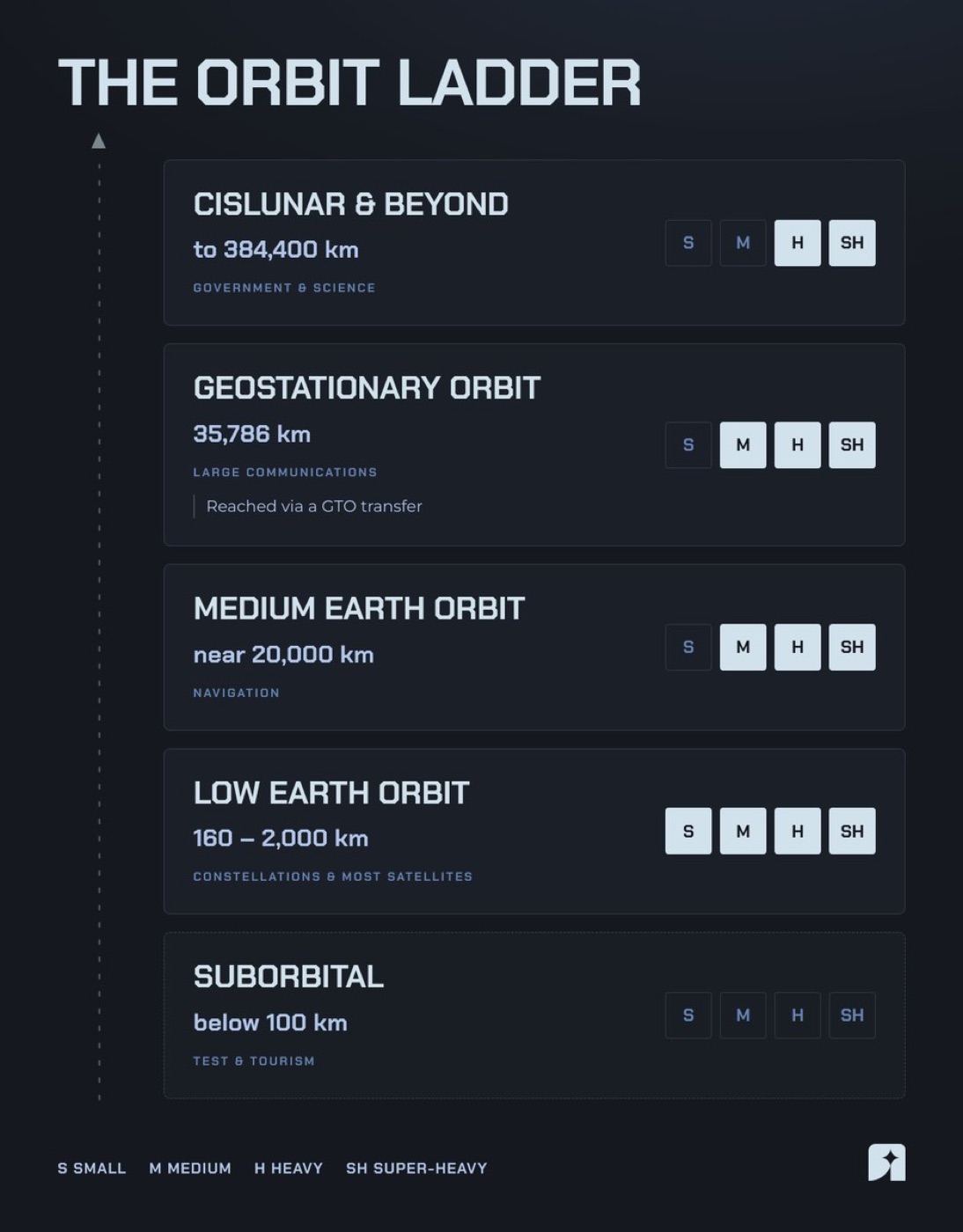
Each band is a separate market with its own buyers, so the orbits a vehicle serves set the revenue it can chase.
Reusability defines what each flight costs, and expendable against reused decides who can compete on price, with Falcon 9 and New Glenn recovering the booster today, Electron working toward it, and Starship aiming to reuse the whole vehicle.
The last axis, what the company sells, pulls the others together. Some run pure launch service, flying other people's payloads for a fee, while others fold launch and satellites into one integrated stack.
Furthest of all, a few launch mainly to feed a constellation they own, the means-to-an-end model of Section 1.5.
So the archetype decides where the revenue comes from, which the next section works through in SpaceX, Blue Origin, and Rocket Lab to show why it is not launch.
How Launch Companies Make Money
Every launch company draws on the same short list of revenue sources, and what separates them is which ones they lean on. There are five in total.
The Revenue Streams
- Commercial launch, selling rides to other people's satellites by the launch or the kilogram, the most price-sensitive line since anyone can compare providers on the same number, and where a new entrant starts.
- Government and defence, the high-margin buyer paying a premium for assured access, specific orbits, and certification, whose multi-year contracts can carry a company from manufacturing to profit.
- Owning the payload, flying your own constellation and selling what it produces, the largest pool by far and the only source that makes launch recurring, open only to whoever will build the constellation itself.
- Human spaceflight, flying astronauts for government and private missions and selling suborbital tourism and research seats, a high-price low-volume source that for most operators is more visibility than revenue.
- Fifth, space systems and components, building and selling satellites, spacecraft, and subsystems rather than rides, a separate hardware business on the same demand that can earn as much as the rockets.
Same revenue sources for all, so where a company concentrates is its whole strategy, a choice that matters because launch itself is a small pool, an estimated $20B with analyst figures varying widely.
Against a space economy near $626B and roughly 78% commercial, nearly all that value sits downstream of the rocket rather than in it.
So the decisive question is how much downstream value a company captures itself, answered three ways in the next three cases.
SpaceX, Launch to Constellation
@SpaceX is the easiest to read, its S-1, the disclosure a company files before going public, saying plainly that the rocket is not where the money is.
In 2025, the launch business was 22% of revenue at $4.1B and ran an operating loss, while Starlink was 61% at $11.4B and the only segment in profit. The rocket is no longer carrying SpaceX, the constellation they build is.
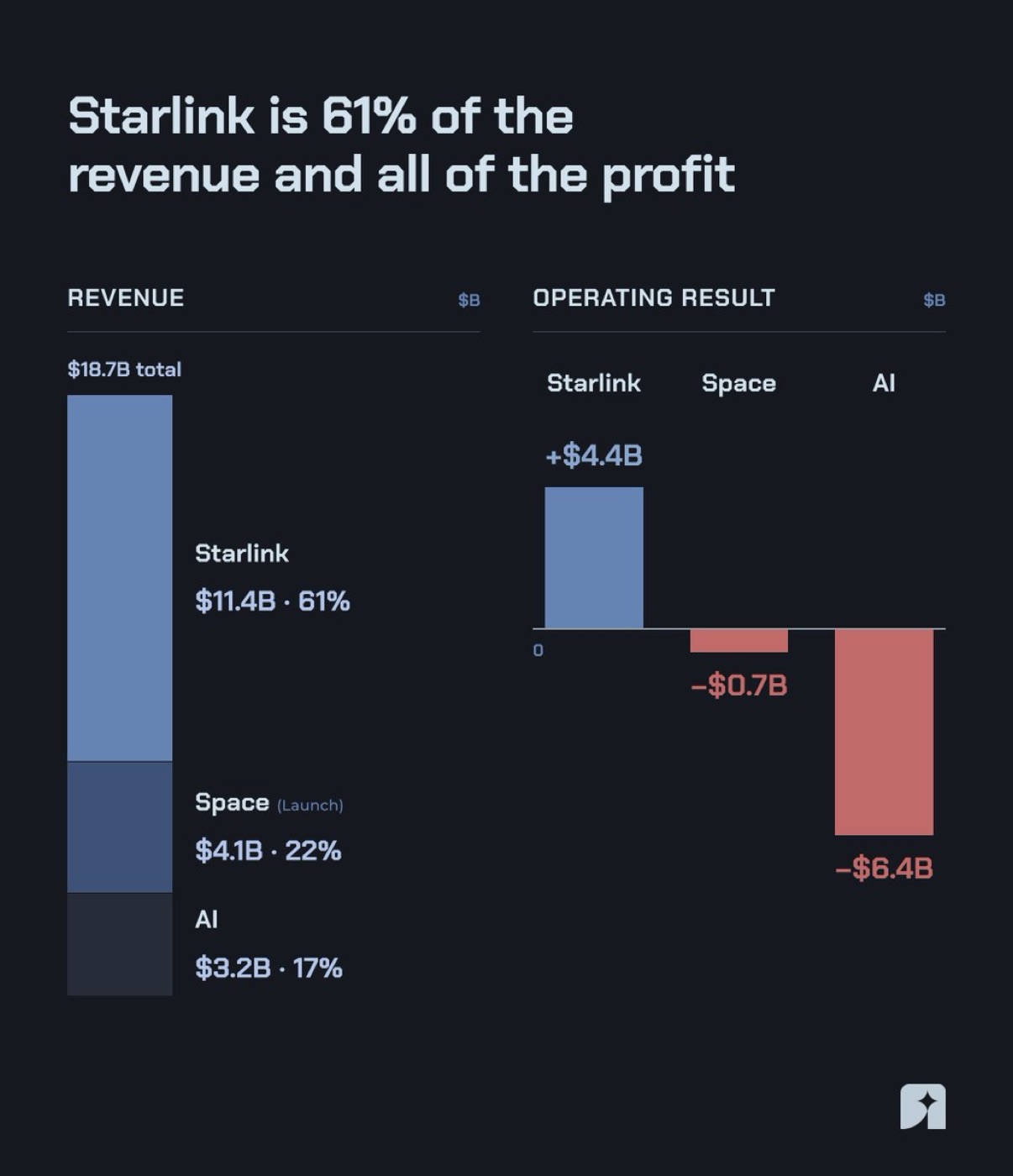
Near breakeven is the best a pure-launch business can do, and SpaceX never tried to live there, as the roughly $3B it spent on Starship that year shows.
This works because SpaceX is its own largest customer, flying its Starlink satellites on most of its 165 flights in 2025, over 80% of all mass to orbit that year, and on 77 of its first 100 in 2026.
SpaceX sustains that cadence through reuse, with one booster now flown 37 times, so the next flight costs little more than fuel and refurbishment.
Starlink now flies about 75% of every maneuverable satellite in orbit, and while price per user fell from $99 to $66 since 2023, that was a deliberate trade of price for scale.
It is now running the same play again, moving Starlink onto Starship, a vehicle that lowers launch cost further and is aimed first at its own demand.
Cheap and repeatable launch is what makes a constellation of thousands affordable to build and refill, and no rival comes close to the rate.
The rocket is the input and the constellation is the product, a structure the market valued near $1.75T at listing, resting far more on the constellation scaling than on anything launch earns today.
The next case reached for the same full-stack ambition from the opposite end, building the vehicle first and the business slowly.
Blue Origin, Building the Stack First
Blue Origin is the opposite of SpaceX. It built the hardware first, the engines, the rocket, the lunar landers, and is still waiting on the business to catch up.
Its engine line is unconventional, since the BE-4 powers both New Glenn and ULA's Vulcan, making Blue Origin a seller of the most expensive part of a rocket to a direct competitor.
New Glenn took more than a decade to develop and has flown only 3 times, the third stranding the customer's satellite in a useless orbit, before a May 2026 pad explosion grounded it until the complex is rebuilt.
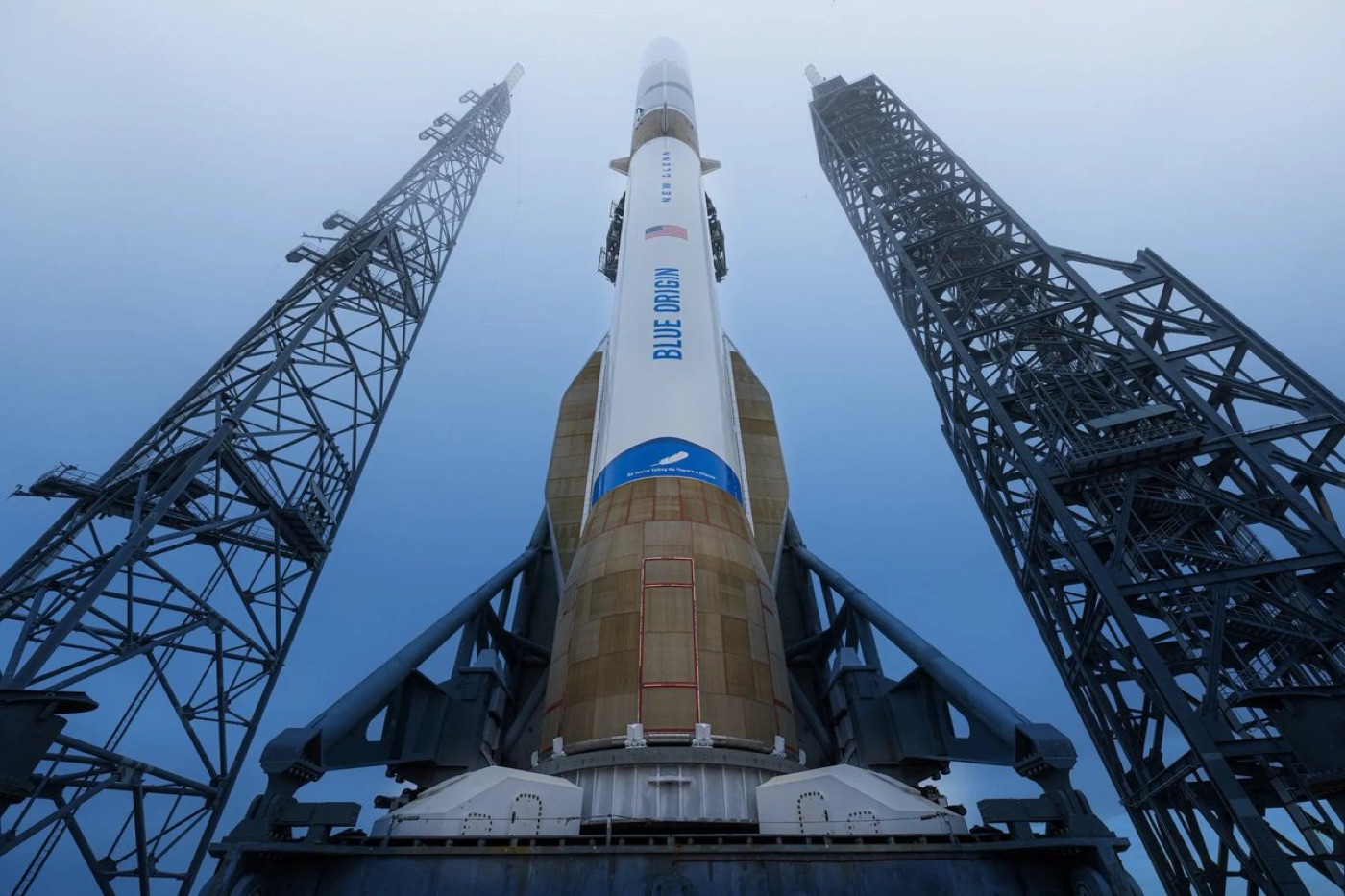
Furthermore, its suborbital tourism is paused for other missions, while SpaceX flew more than 100 times in the same window.
So the revenue that exists comes from selling engines to @ulalaunch and from government work, NSSL launches worth about $2.4B and @NASA lunar landers, rather than a high launch rate or a service of its own.
Blue Origin is private and publishes no profit figures, but with 3 flights behind it, the launch revenue stream cannot yet be large.
The demand it flies today is not its own, its main customer being @AmazonLeo, the 3,236-satellite network @amazon is building, effectively the demand SpaceX serves with Starlink but owned by @JeffBezos's other company, so Blue Origin is paid for the ride while Amazon keeps the service revenue after.
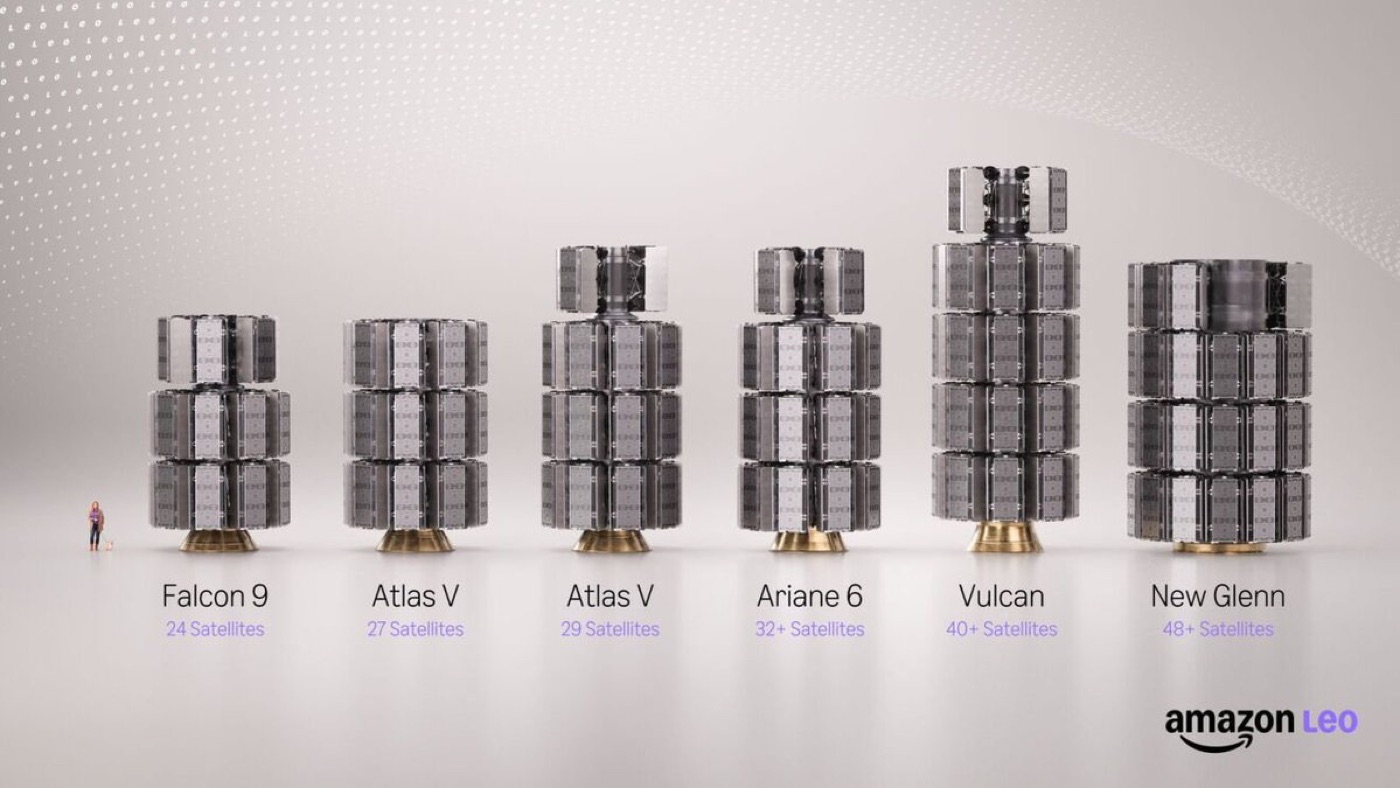
Building the rocket turns out to be the easier half and owning the demand the harder one, which is why Blue Origin has the deepest engineering base of the three yet the least revenue to show for it so far.
But what that base has already produced is easy to understate, since New Glenn reached orbit on its first flight in January 2025, landed its booster on the second, and reflew that booster on the third, a sequence Falcon 9 needed roughly 30 flights to complete.
In September 2026, four months after losing the pad, @blueorigin closed the first outside round in its 26 years, about $10B at roughly $140B post-money led by @coatuemgmt, reportedly oversubscribed, with @JeffBezos adding $2B of his own, capital priced after the failure rather than before it.
And in January, it filed for TeraWave, a 5,408-satellite LEO and MEO network for enterprise, data centre and government traffic, deploying from late 2027 on its own rocket.
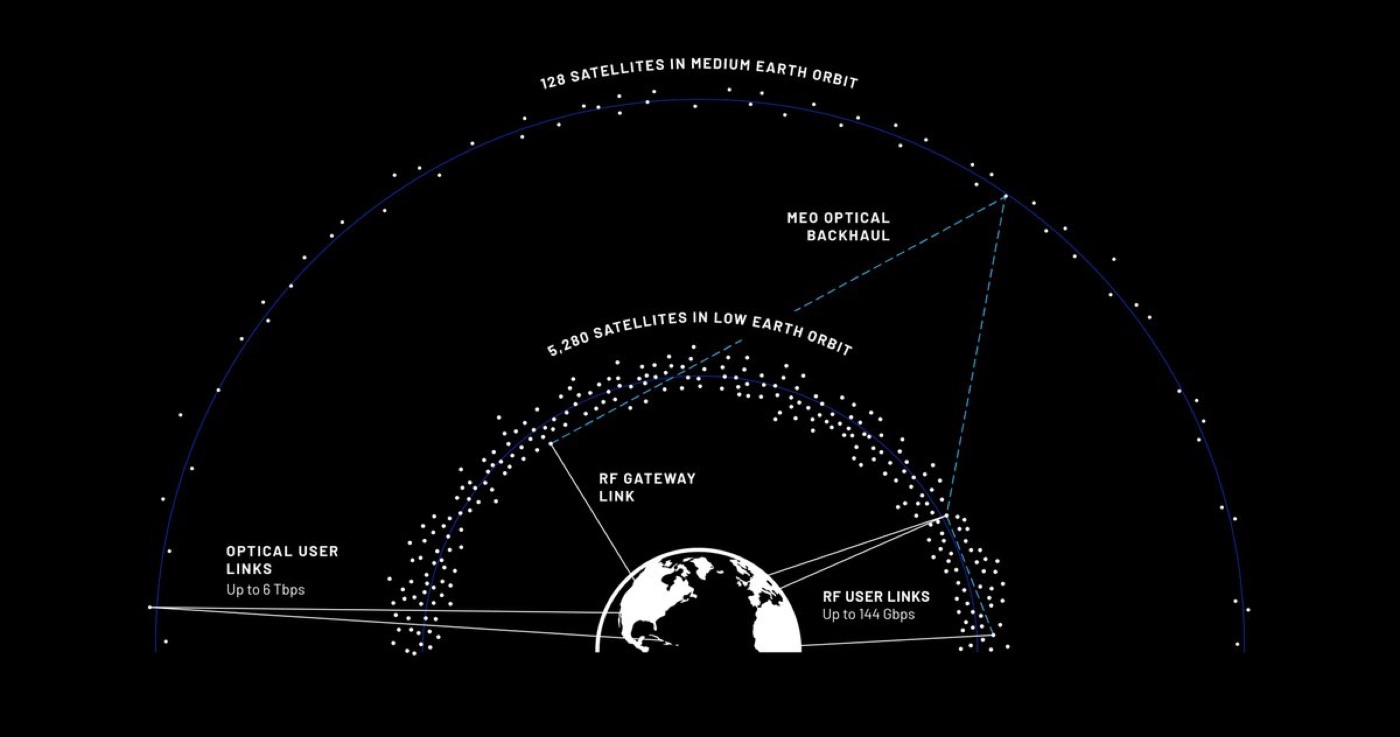
That is the missing half of the model, the company moving to own what it launches rather than only carrying what someone else owns.
Bezos's fortune bought a decade to build the stack, and the outside money is now buying the demand to sit on top of it, the answer SpaceX already has and the one Rocket Lab is climbing toward from the other end.
Rocket Lab, Climbing From the Bottom
@RocketLab took the unconventional path, starting at the smallest class of rocket and working its way up, funding the climb by selling parts and whole satellites rather than waiting on launch to pay.
Of $602M in 2025 revenue, launch was only 33% at $199M, while space systems, the business of building satellites and components for others, was 67% at $403M, over 2x the rocket line and growing faster.
By the first half of 2026 launch had fallen to about 25%, making Rocket Lab a satellite company as much as a launch one, though its launch side started small, where a new company could afford to compete.
Rocket Lab's Electron is the world's leading small rocket and the only one flying regularly, with about 70 flights behind it and a record 21 in 2025.
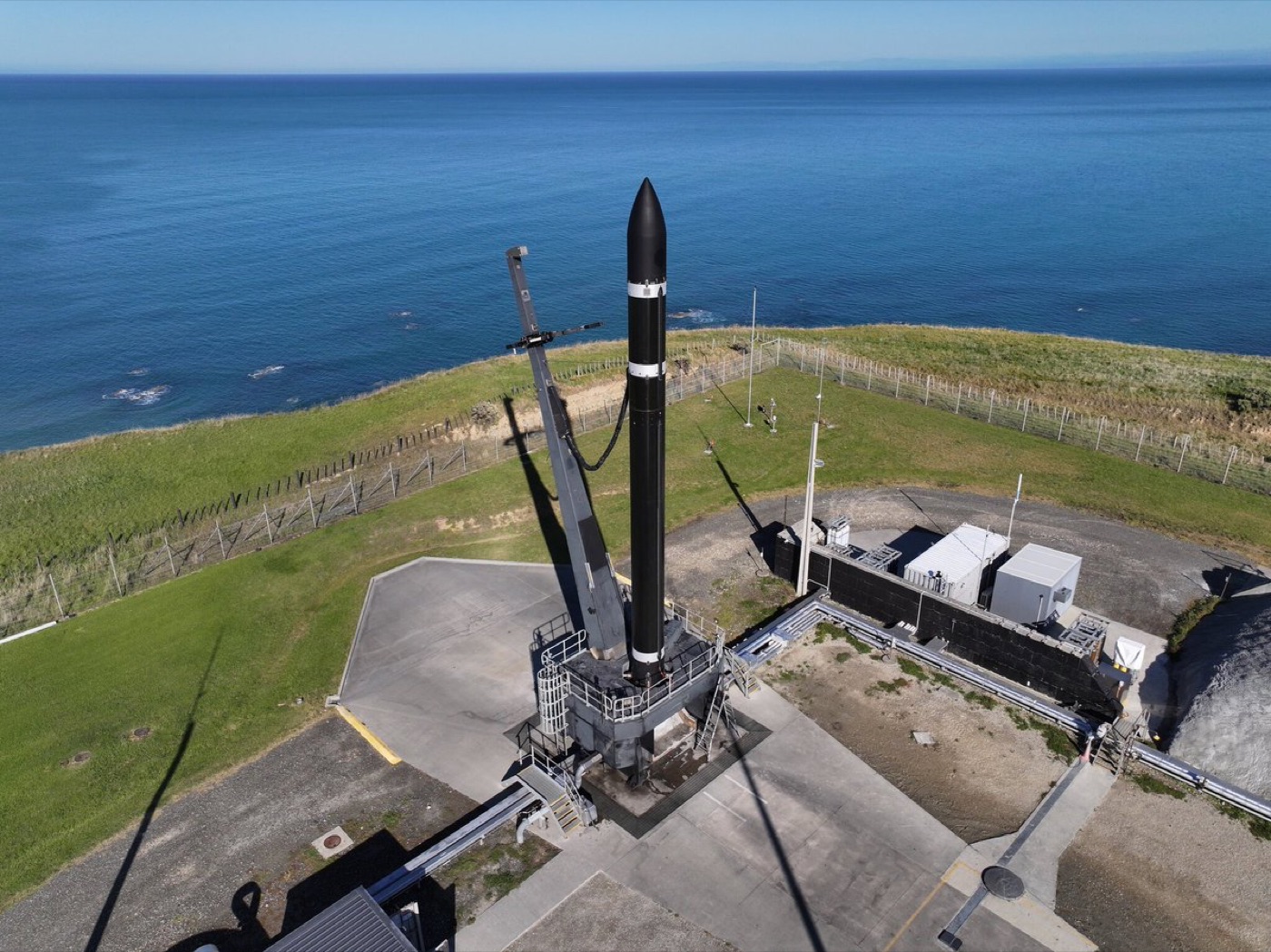
A single launch now earns about $8.5M, national agencies that once built their own rockets buy rides on it instead, and a suborbital version sells test flights to defence.
From there comes Neutron, a reusable rocket built to compete with Falcon 9 and expected to earn 6x what Electron does per flight.
But it has not flown yet, with a first launch pushed to late 2026 and most customers waiting to see it work before committing, so the move up the ladder is still a bet rather than a business.
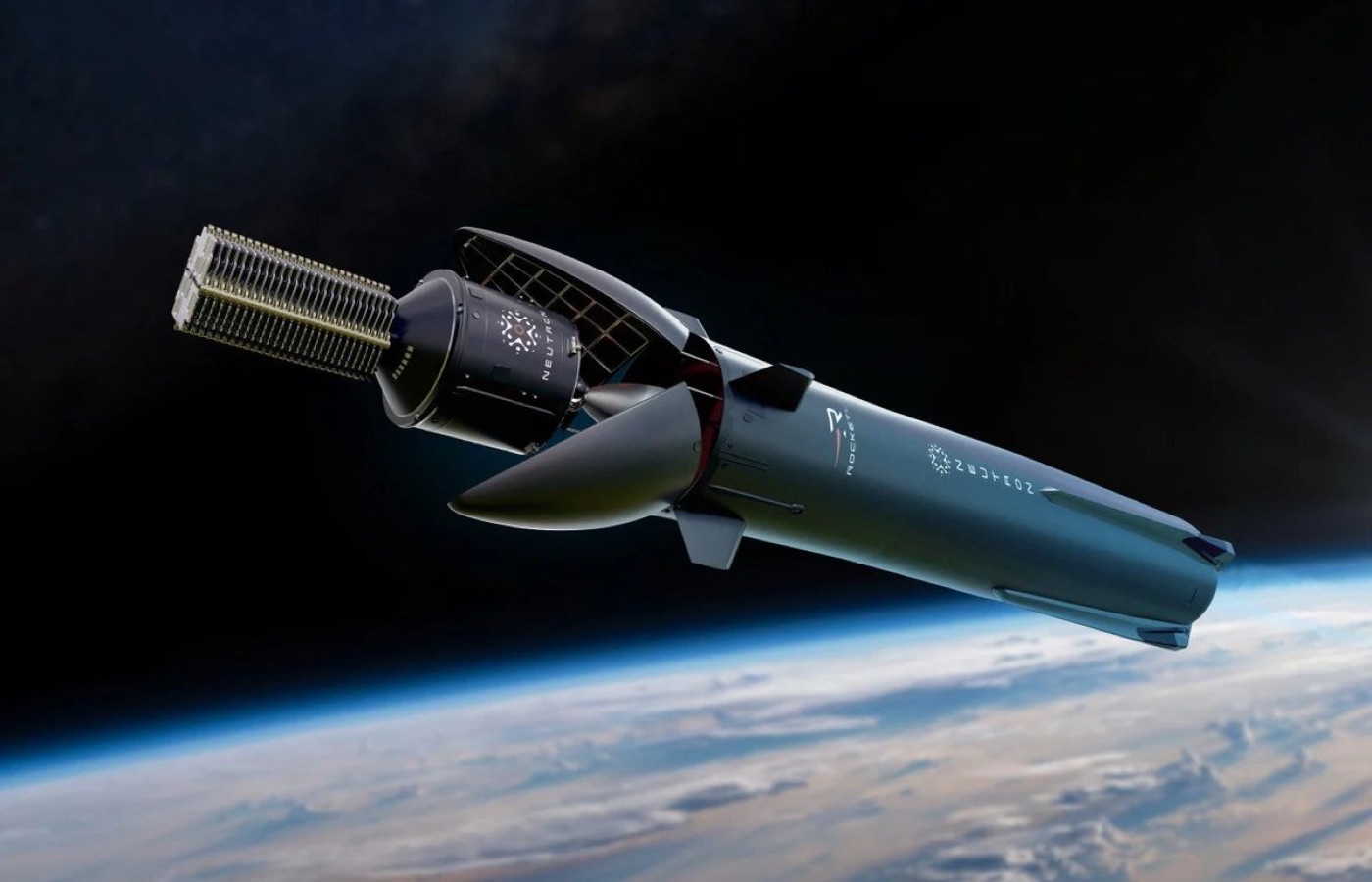
What makes this affordable is the systems business and a backlog near $2.4B of multi-year defence work that pays the bills while Neutron is built.
But Rocket Lab is not yet profitable, with company-wide operating profit not expected before 2027, though the backlog gives it years of revenue visibility a pure launch startup never has.
Taken together, the three show one visible pattern, that for none of them is launch the profit center. SpaceX earns on its constellation, Blue Origin on engines and government, and Rocket Lab on the satellites it builds for others.
If none of the three live on launch itself, the question for a new entrant is where the money is made, the subject of the final section.
What This Means for Everyone Else
Launch is how you enter the market, not how you profit from it, so the money sits in what the rocket enables or what you sell beside it.
The question for a new company is not how to beat SpaceX on launch price, a lost race, but which of the businesses beside launch it can realistically build.
What This Means for You
- Price isn't a race anymore: Reusability gave SpaceX a marginal cost no entrant can undercut, so the only room left in launch is a class, orbit, or geography the incumbents do not serve.
- The rocket alone never pays the bills: @RocketLab carried a systems business and a multi-year backlog while SpaceX carried a government manifest, and with launch itself losing money along the way, a rocket with no second revenue source cannot fund the years before it pays.
- The money is in what you launch: The money comes once the satellite is working, the connection it sells, the images it takes, the data it sends down, paid for every month long after the launch is over. A company that only flies gets paid once per launch, while one that owns what it puts up gets paid for years, which is the whole gap between SpaceX and everyone who only sells rides.
- It comes down to the demand: What separates SpaceX, Blue Origin, and Rocket Lab is who owns the asset being launched, and the market prices the difference starkly, SpaceX near $1.75T against the rest.
We opened on the variable of mass to orbit, but launch only gets you in, it never wins, and the cheaper it gets the more the money moves upward.