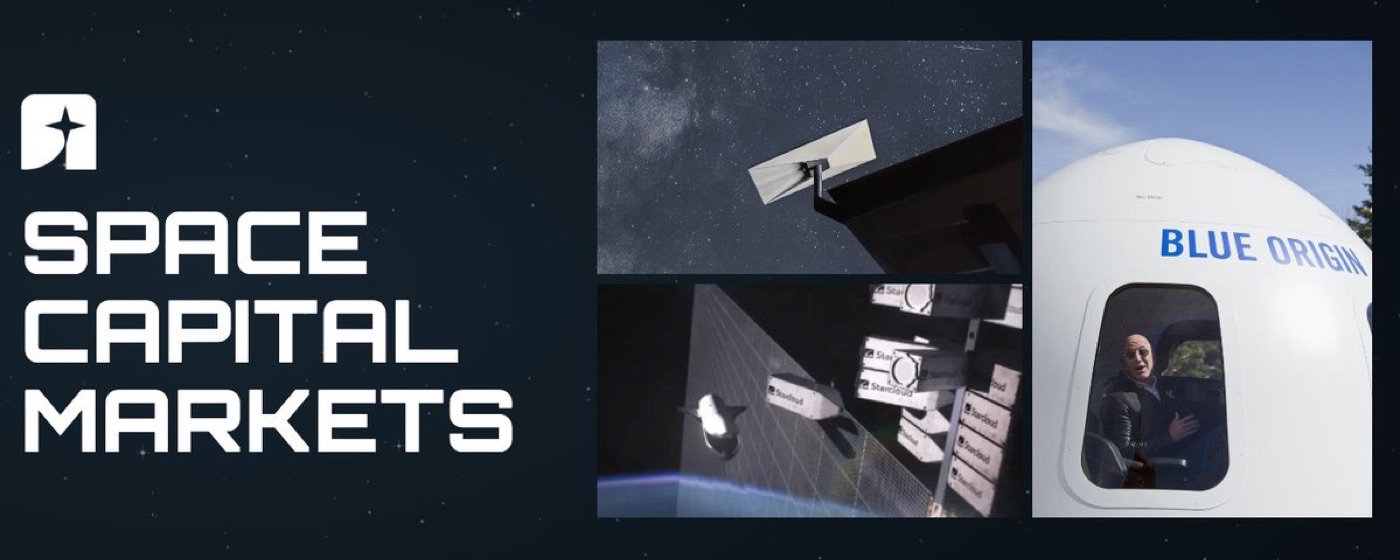
Space has stopped being a science project and become the next frontier.
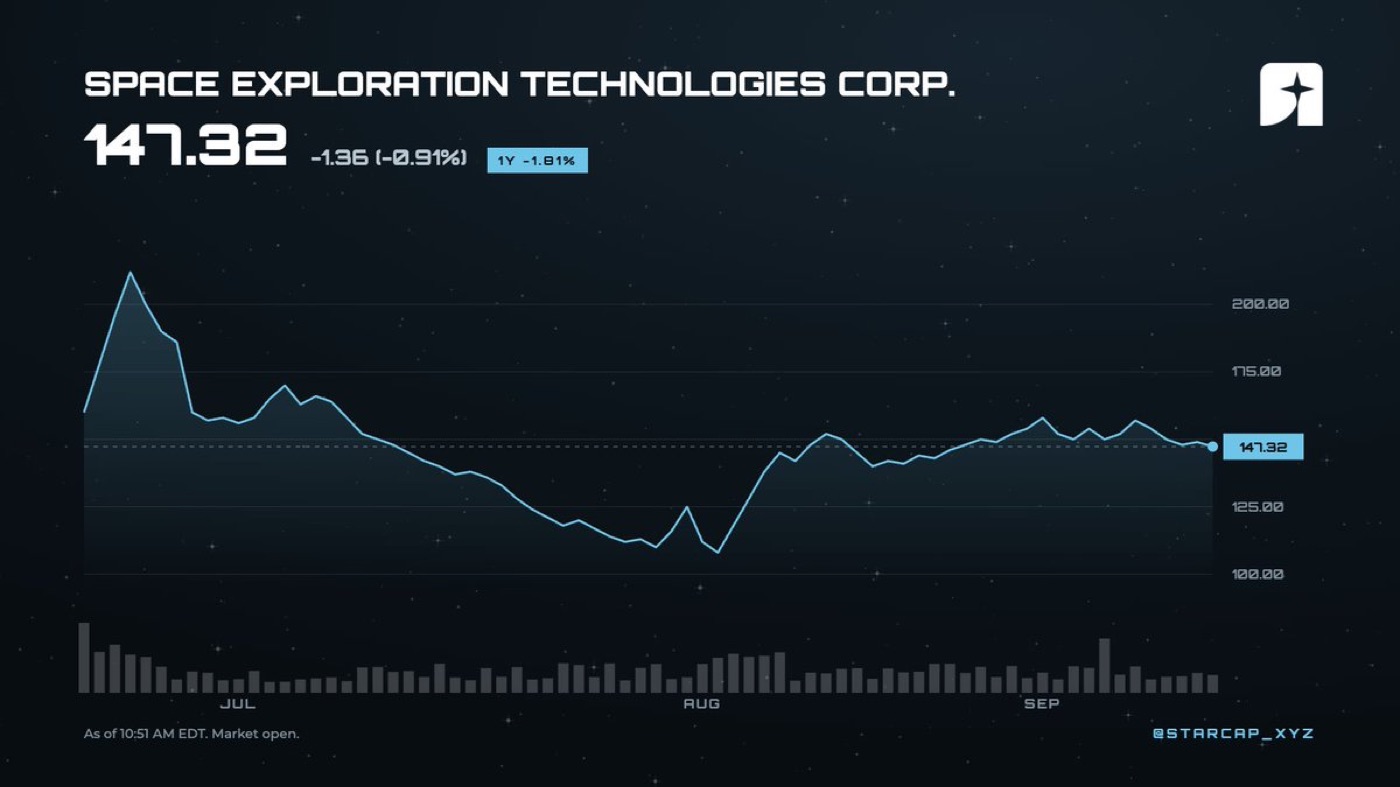
On 12 June 2026, @SpaceX went public at $135 a share and raised a record $85.7 billion. By the close, it was worth near $2 trillion.
What separates today from the space age of the 1970s is that space now has a public benchmark, and that is one of the largest companies on Earth.
As that repricing happens, everything beneath it gets measured against that anchor, the way every new blockchain gets measured against Ethereum, or every trading exchange against the market leader.
Three things moved at once to get here:
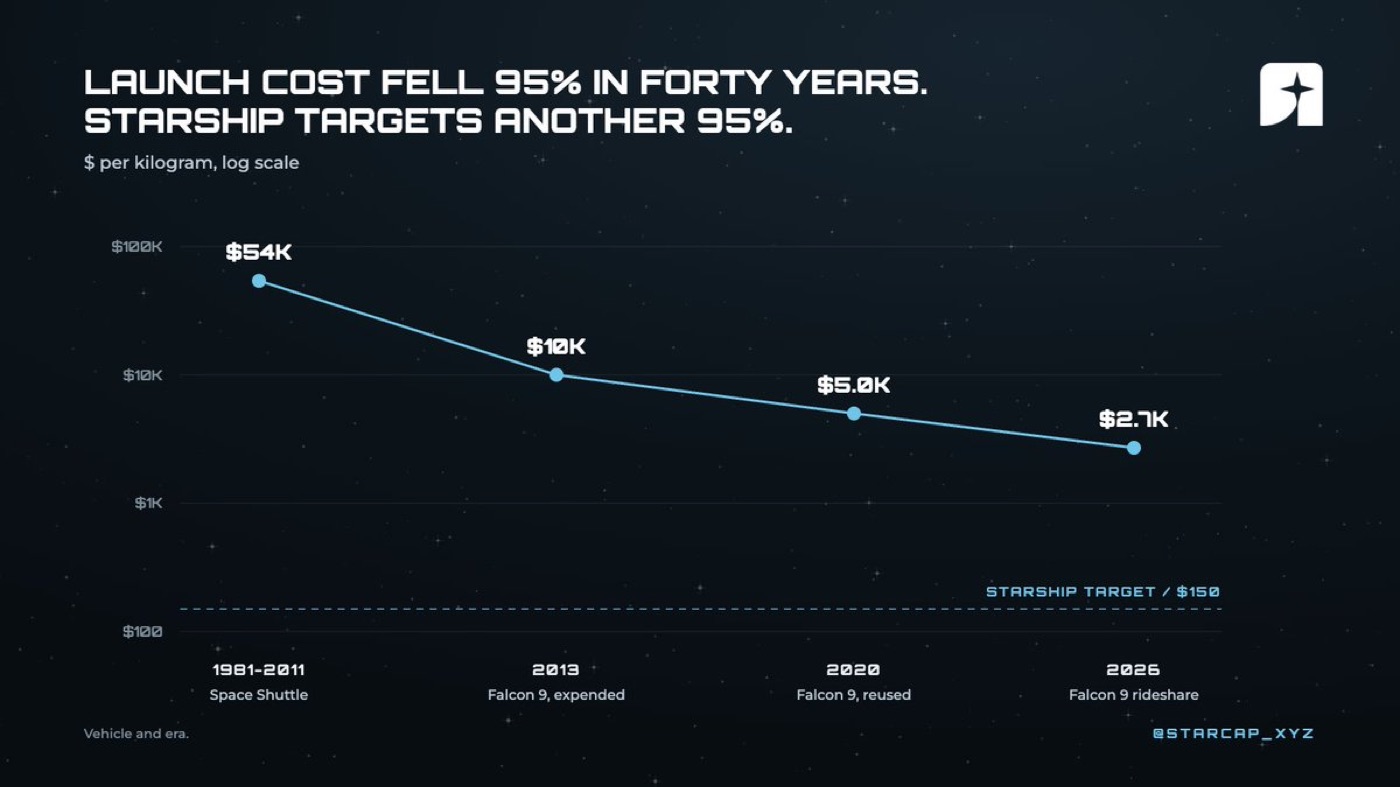
- Launch cost fell from roughly $54,000 per kilogram in the Shuttle era to under $3,000 on a reused Falcon 9.
- Capex finally found a recurring revenue line, because a satellite constellation bills a subscriber every month.
- Great power competition has put a political floor under demand that no downturn can remove.
The repricing has barely started, because the layer that will capture the next decade of revenue is still mostly private, and that is what I'll dive into today.
What moves a price is expected revenue
Every number in this piece resolves to one equation, asset price equals revenue times a multiple. Multiples are sentiment and swing with how much durability and promise a business sells, while revenue is real and compounds.
SpaceX booked $7.81 billion in Q2 2026, roughly $31 billion annualized against a $2 trillion market cap, about 60 times sales, so the path to 1000x starts far below the leader, not at it.
SpaceX booked $7.81 billion in Q2 2026, about $31 billion annualized on a $2 trillion cap at roughly 60x sales, so the 1000x does not come from the top, it comes from where you enter below it.
A company valued at $100 million on $5 million of revenue, looking at a market measured in the hundreds of billions, is exactly where 1000x starts.
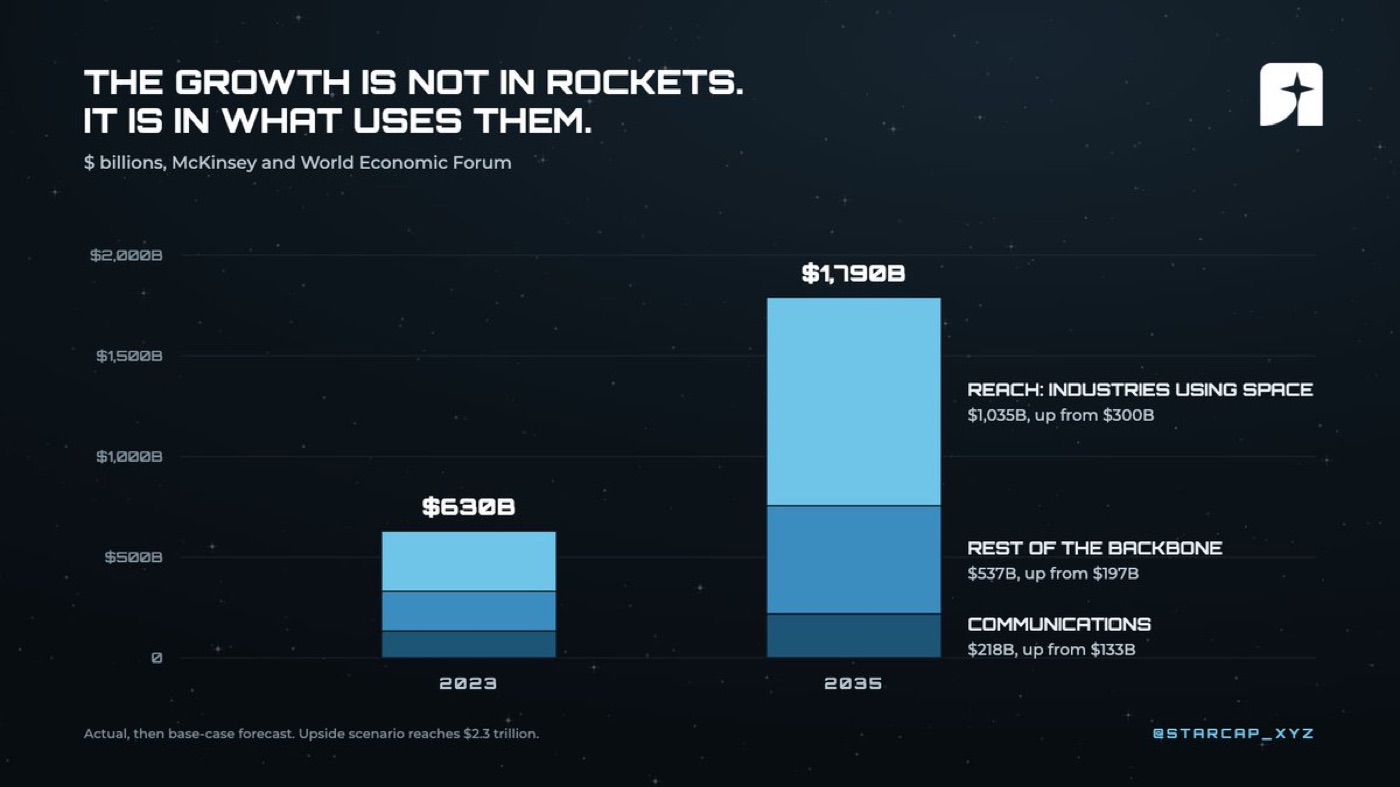
The job is to map the stack and compare future winners against today's operators.
Three pools are real and well dated, orbital compute, connectivity, and lunar infrastructure. Each gets a revenue line, a capture assumption, and the price that falls out, and they are where the venture opportunity is clearest.
Catalyst One: Compute Leaves the Planet
The bottleneck for AI is not only chips, it is power, and the permits to deliver.
@GoldmanSachs sees global data center power demand rising about 170% by 2030 from 2025 levels, and @DellOroGroup puts data center capex above $3T by 2030, assuming more than 200 GW of power is actually available. Nobody thinks it will be.
Orbit is the only place you can add gigawatts without asking a utility for permission.
Here is the math that decides this:
- A dawn-dusk orbit gets roughly 1,360 W per square metre with no night, no clouds, and no atmosphere, which is why an orbital array runs above 95% capacity factor while terrestrial solar manages maybe 25%.
- Flexible arrays, radiators, and structure deliver on the order of 50 to 100 watts of continuous power per kilogram launched, so one kilogram of mass buys roughly 75 watts, forever.
- At today's $2,720 per kilogram, one continuous kilowatt costs $27,000 to $54,000 in launch alone, while building the same kilowatt on the ground costs roughly $10,000 to $12,000 in shell and power gear. Orbit loses, badly.
- At $150 per kilogram, that same kilowatt costs $1,500 to $3,000 to launch, and the electricity is free for the life of the satellite. Orbit wins, badly.
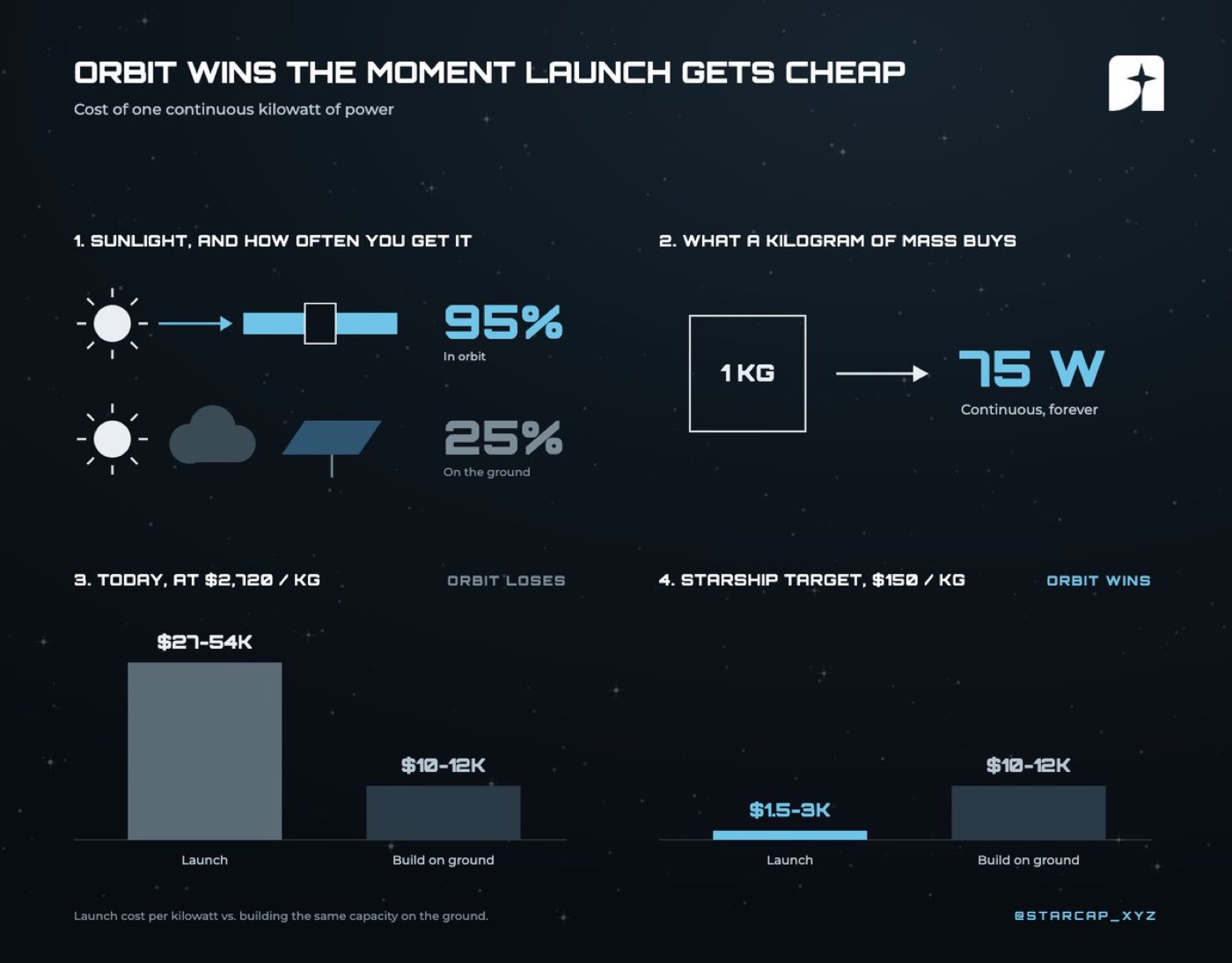
This is a step function, and it trips the moment Starship reaches a steady flight cadence.
Now put revenue on it. A gigawatt of facility power houses roughly a million accelerators at current density, and a million accelerators renting at $2 an hour gross about $17 billion a year at full utilization, which is the conversion rate from watts in orbit to dollars on a P&L.
Now run it forward. Half a gigawatt in orbit by 2030 is an $8 billion revenue line, 5 gigawatts by 2035 is $85 billion, and 20 gigawatts, exactly what @Starcloud_ has filed toward with its 88,000-satellite @FCC application, is $340 billion a year. For scale, SpaceX is at about $31 billion today.
That is where the 1000x lives. Starcloud seeded in 2024 near a $170 million mark and is valued at $2.3 billion as of August 2026, with no disclosed commercial revenue.
If orbital compute is an $85 billion pool by 2035 and one operator holds 20% of it, that is $17 billion in revenue, and at a modest 10 times sales, $170 billion in equity. That is roughly 1000x the seed mark, and 74x today's.
The tell that this isn't a fringe bet: Nvidia has put money in, and SpaceX has filed its own plan for up to a million data-center satellites under the name Starmind. When the launch provider starts competing with its own customers, it means the customers were right.

Catalyst Two: Connectivity Is a $1.5 Trillion Pool and Satellite Holds 1%
5G was sold as a revolution and delivered a capex bill, with operators spending hundreds of billions while @PwC still has telecom service revenue growing at about 2.8% a year to 2029.
@StatistaCharts sizes the global pool at $1.5 trillion in 2026 reaching $1.7 trillion by 2030, so the technology improved but the economics did not.
The point of satellite is not faster internet, it is internet where there was none.
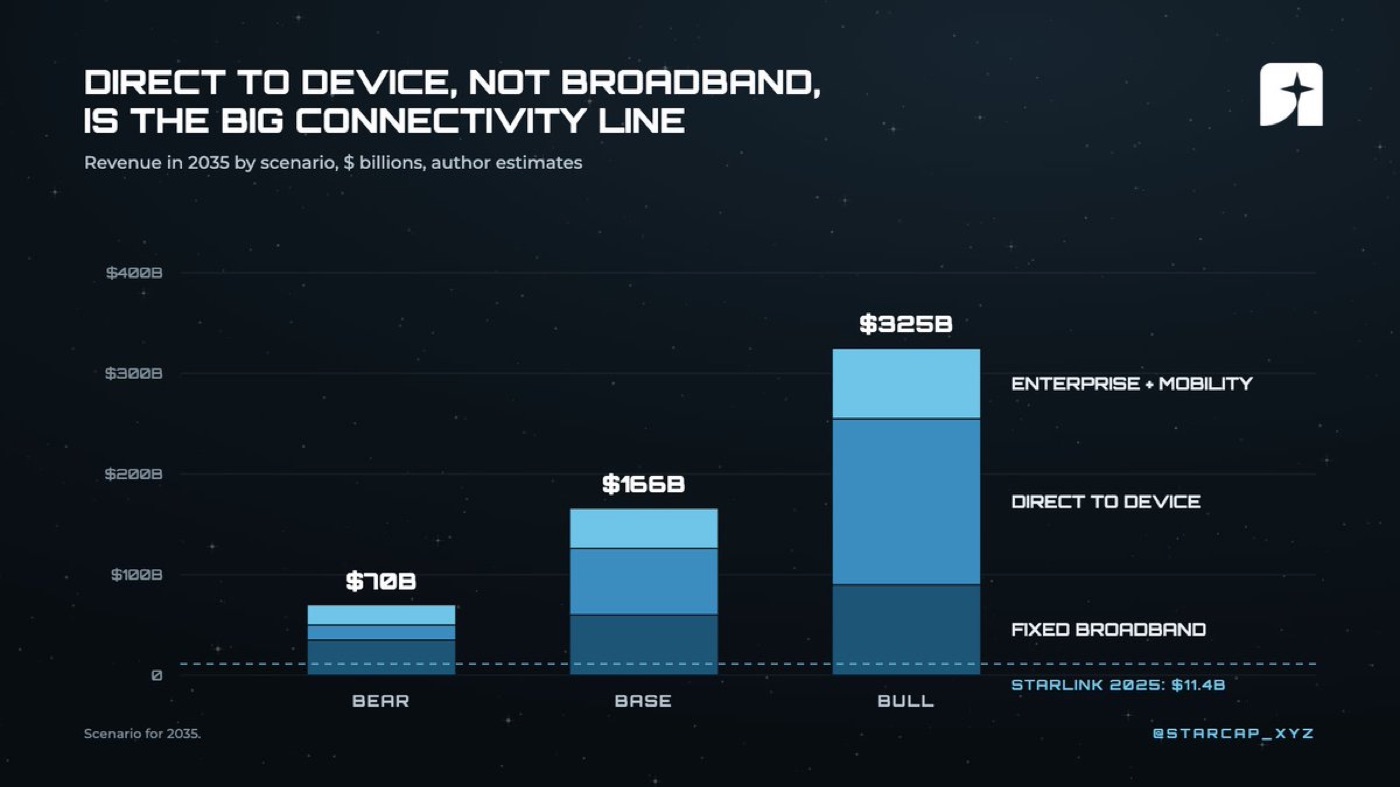
@Starlink did $11.4B of connectivity revenue in 2025 and had 10.3M paying subscribers as of 31 March 2026, per SpaceX's own S-1, rising past 12M by June. That is 0.8% of the global telecom pool, built from nothing since 2019.
@AmazonLeo is the second entrant, with roughly 400 satellites across 14 missions as of September 2026 and an enterprise beta running since April, one of two credible constellations, and owned by the company that also owns @awscloud.
What can actually be sold:
- About 1.3 billion fixed broadband connections exist worldwide, satellite wins where fibre never pays back, and sixty million subscribers at $80 a month is $58 billion a year.
- There are roughly 5.5 billion mobile subscribers, and satellite makes the dead zone disappear without a new handset. Charge a blended $1 a month across that base, billed to carriers as a coverage line rather than to consumers as a product, and it is $66 billion a year. Almost nobody models this line, which is why it is the interesting one.
- Enterprise, aviation, maritime, and defence backhaul are already tens of billions, already contracted, and already growing.
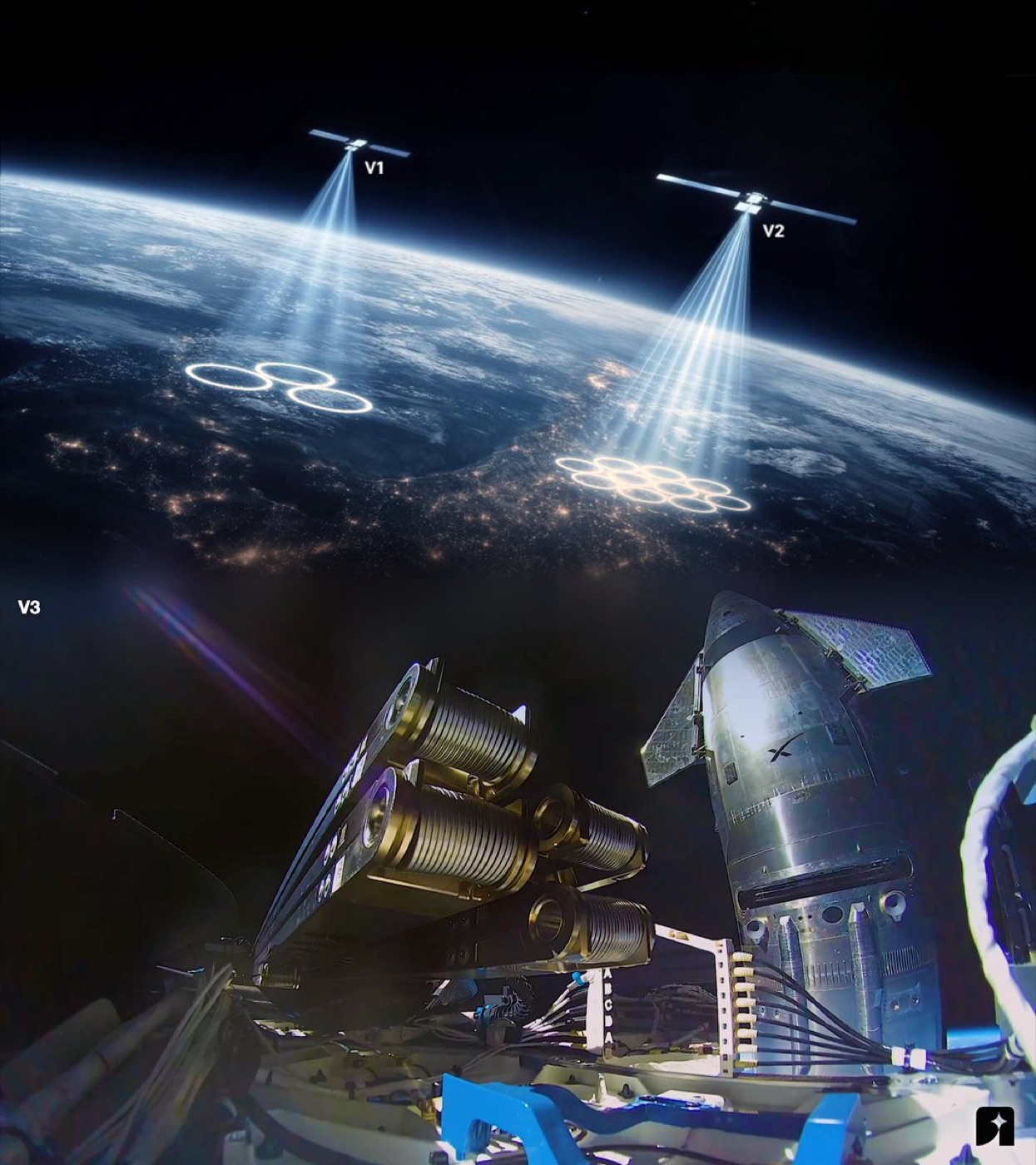
Laser downlink is the piece that ties this back to catalyst one. Optical inter-satellite links turn a constellation from a last mile into a backbone. The same links that move a subscriber's traffic between satellites carry an orbital data center's results to the ground.
By that logic, connectivity and compute are not two bets but one network with two revenue lines.
The base case above puts satellite at about 10% of global telecom revenue by 2035. That is aggressive, and it rests entirely on direct-to-device becoming a default line item on every mobile bill.
Catalyst Three: The Moon Is a Government-Funded Demand Curve
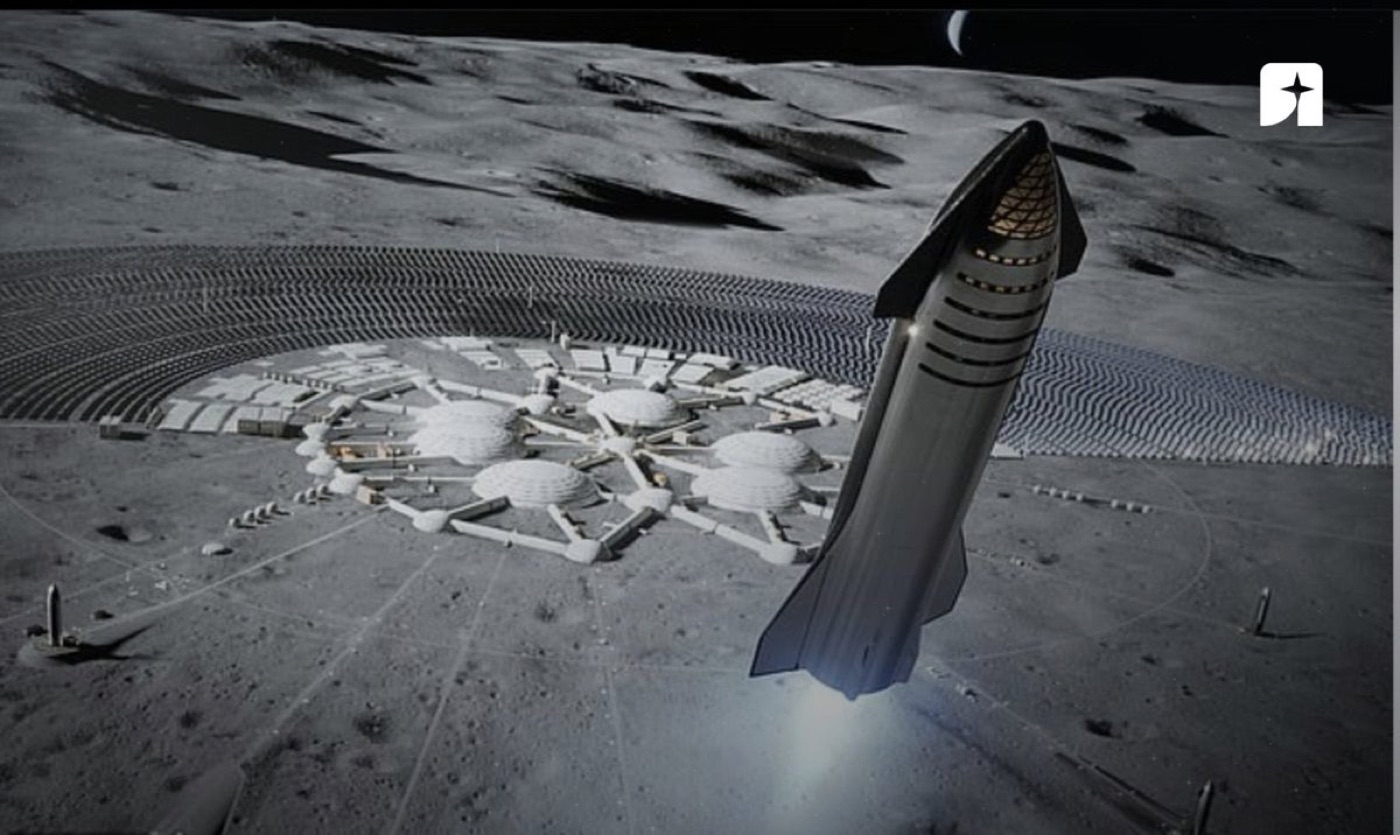
Nobody is making money on the Moon this decade, but that is not where the money is. The real opportunity is that two governments are about to spend a decade of budgets building a lunar supply chain, paying the contractors whether or not a single gram of regolith is ever sold.
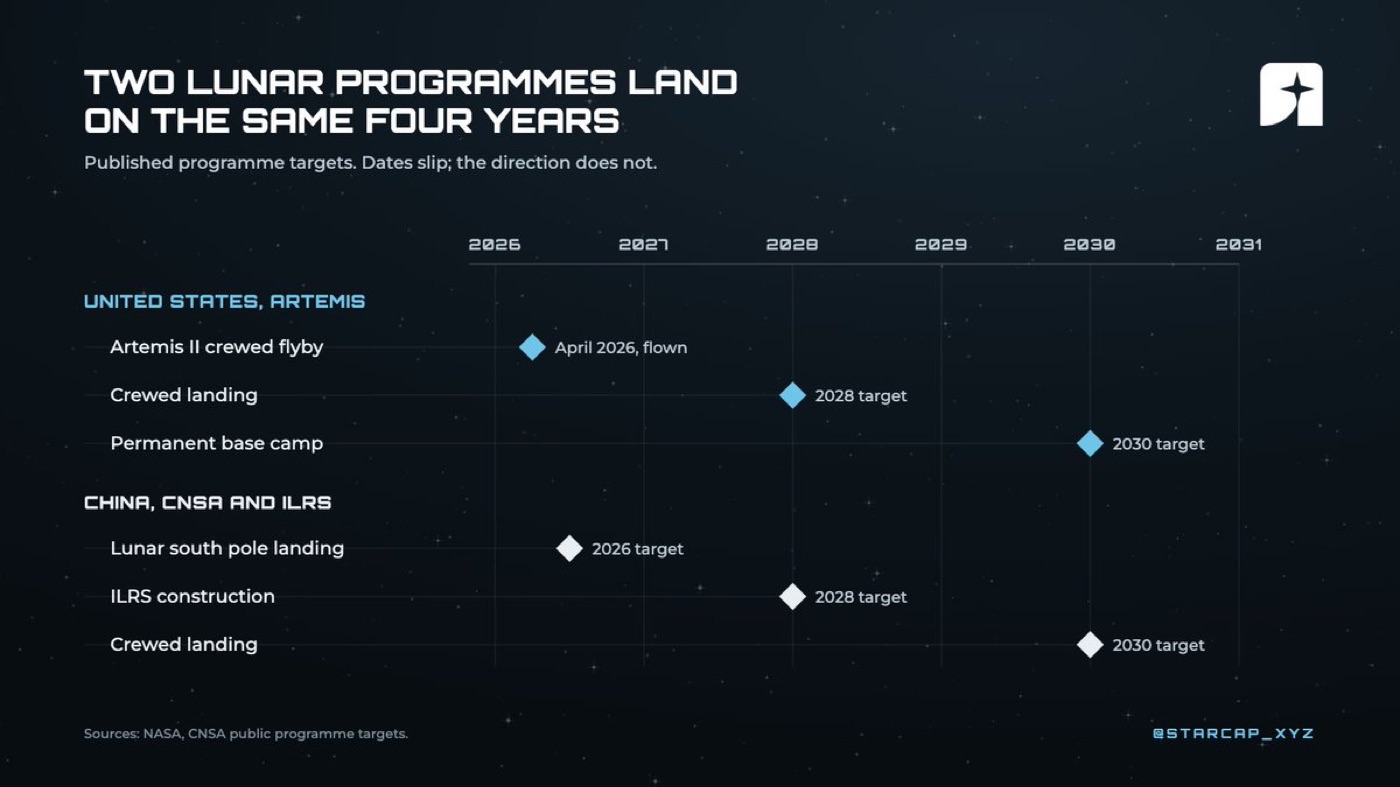
@NASA's FY2027 request puts more than $5.2 billion into lunar sustainment technologies and $4 billion into a permanent lunar base, aimed at a crewed landing in 2028.
NASA intends to use commercial services for all transportation after @NASAArtemis V, a standing procurement commitment, written down, for a decade of cargo.
China is running a near-identical architecture and targets its own crewed landing by 2030, with the International Lunar Research Station being built alongside Roscosmos. Artemis II flew in April 2026, and analysts already expect China to pull its timeline forward. This race is live, not rhetorical.

What the money buys, in order of how much lands in private hands:
- Every lunar mission takes many launches, and that cadence pulls the cost curve down faster than it would fall on its own.
- A base needs a network, making cislunar comms and navigation a second connectivity layer with a government anchor tenant on day one and the least crowded part of the whole map.
- Surface power, landers, rovers, and resource extraction are all competed, commercial, and mostly pre-revenue.
Lunar resource extraction is not a market until someone signs a contract to buy, and the only plausible buyer for water-ice propellant is the program itself, so I am not pricing it.
The demand curve is real, and it does not depend on an AI capex cycle holding or a carrier making a product decision. It depends on one thing, @congressdotgov fearing China, the most reliable assumption in Washington.
Two names that carry the whole thesis
Neither is a recommendation. They are the two cleanest expressions of the argument above, both are private, and that tells you where the return still sits and what I am looking to allocate into.
Blue Origin
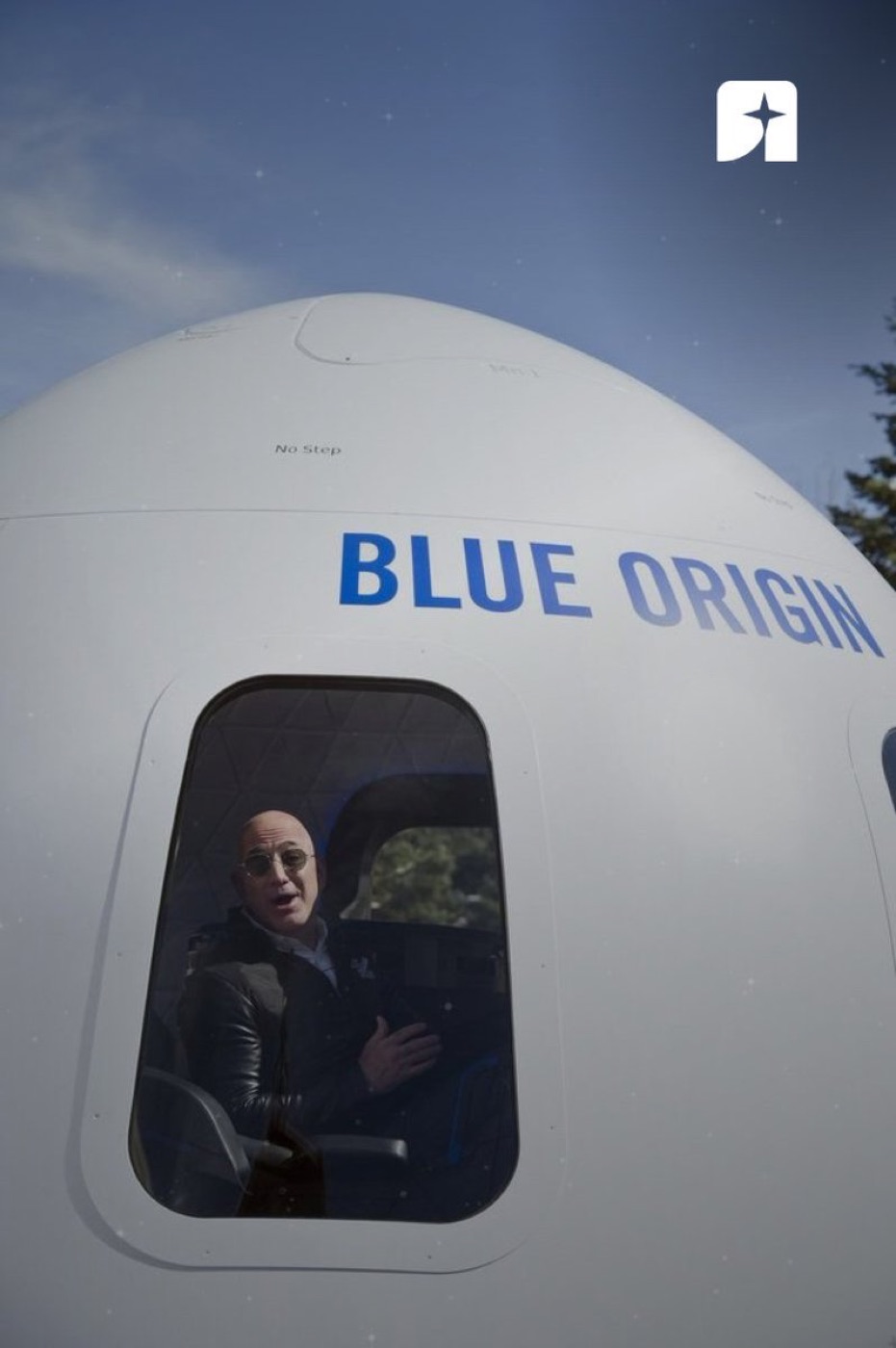
@JeffBezos's @blueorigin closed its first outside round in July 2026, roughly $10 billion at a $130 billion pre-money valuation. It is the only company other than SpaceX holding a piece of all three catalysts at once.
New Glenn for heavy lift, Blue Moon against a $3.4 billion NASA contract, and TeraWave for enterprise, data-center, and government connectivity.
The problem is scalable execution, New Glenn has flown three times; Falcon 9 and its variants have flown 673.
The flight record is thin and got thinner when a static-fire explosion on May 28 2026 destroyed LC-36A in what observers called the largest launch vehicle failure since the Soviet N1, left NASA's lunar programme dependent on SpaceX in the interim, and pushed return to flight to before year-end.
The $130 billion is the market paying for optionality on Bezos's balance sheet and a government that structurally needs a second provider.
If New Glenn flies at cadence through 2027, that mark looks cheap. If it does not, nothing supports it.
Starcloud
Covered above, and the purest expression of catalyst one.
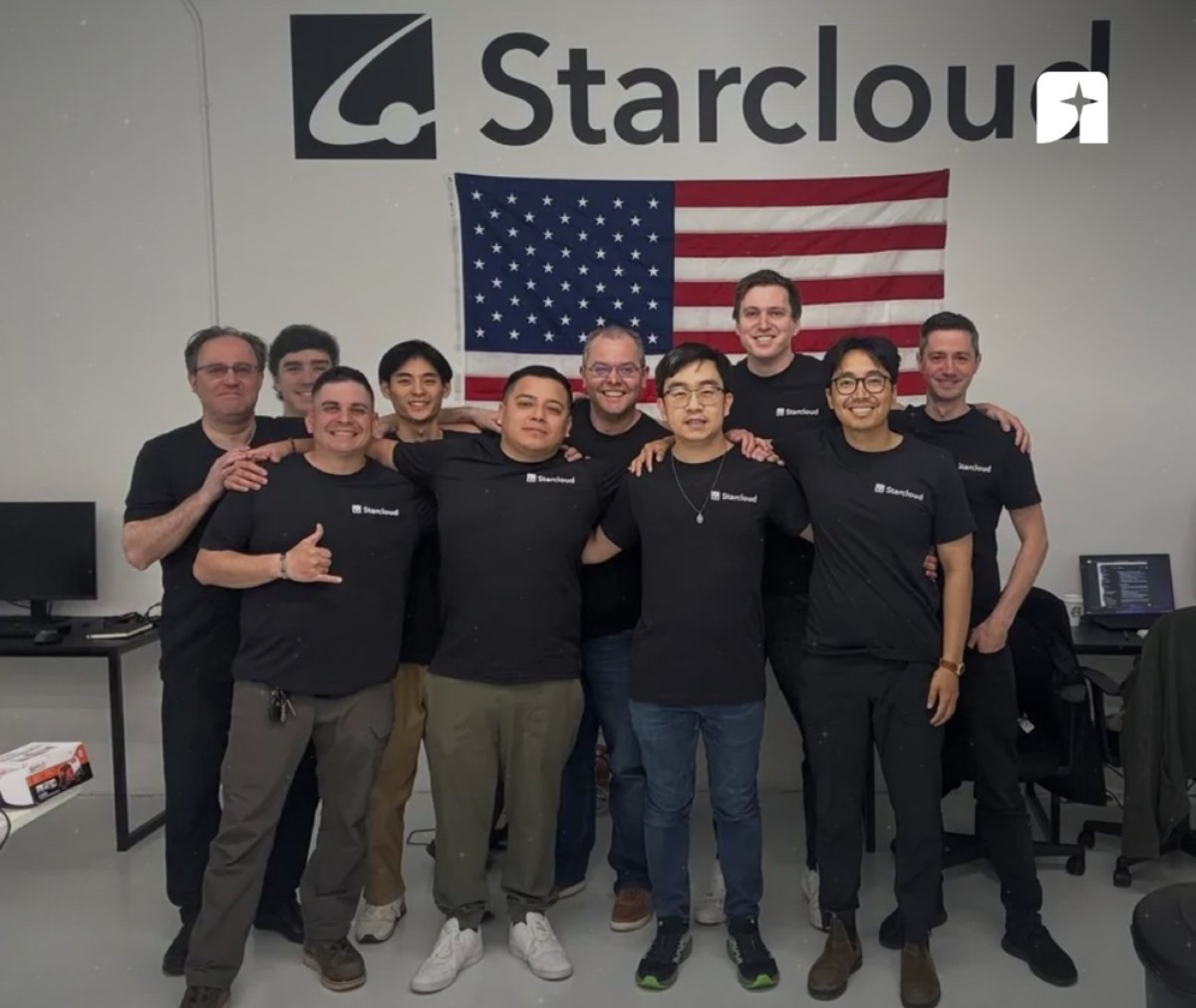
A $2.3 billion valuation, @NVIDIA and @Cisco_Invests on the cap table, an 88,000-satellite filing, and no disclosed commercial revenue.
If Starship flies at rate, @Starcloud_ is early to the best market of the decade. If it slips two more years, the company burns most of $450 million waiting for a crossover that never arrived.
Almost every name below is a derivative of Starship's flight rate. Track that number and you have tracked the sector.
Where this lands: the SpaceFi stack
Everything above is a capital formation problem. Three revenue pools, real and dated. An asset class that just got a public comparable at two trillion dollars.
And almost all of the actual return sitting in private markets a normal allocator cannot reach, at ticket sizes that cannot be sized, on timelines that cannot be exited.
That gap is what SpaceFi is for:
Space assets need what every real asset needed before it got financialized. A way to price them, a way to finance them before revenue arrives, and a way to hold the exposure without a ten-year lockup.
A launch manifest is a schedule, a constellation's subscribers are a recurring revenue line, and a government lunar contract is a receivable with the best counterparty on earth.
Those are exactly the cash-flow shapes credit markets exist to finance, and today they are funded almost entirely with venture equity, the most expensive capital in the world.
The critical pieces are on the road to being solved, and we intend to be the ones solving them.