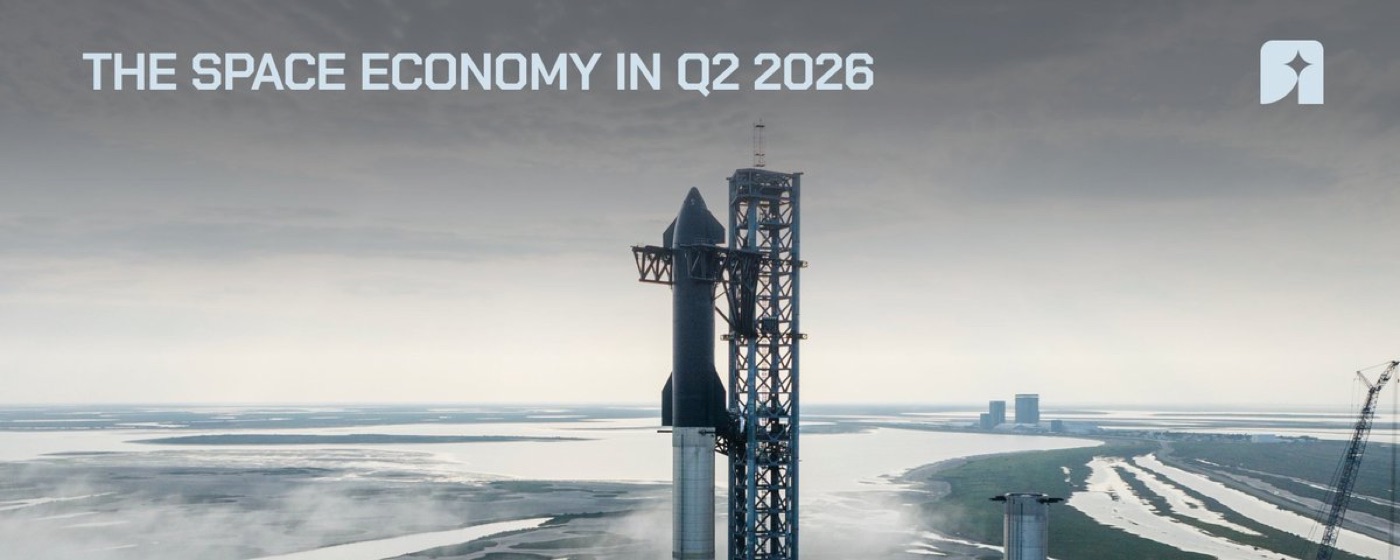
Who led the biggest space raises last quarter, why the specialists didn't, and what it signals for the next round.
Note: this is an independent research piece. It is not affiliated with, endorsed by, or produced by any company named in it, including SpaceX.
Executive Summary
In Q2 2026, the biggest space raises ran into the hundreds of millions and beyond, with @The_TrueAnomaly taking $650M, @iceye_global over €1B, and @GoToImpulse at $500M.
The six largest rounds all cleared $275M, while the wider sector raised $7.5B over 141 deals, down from $8B over 159 in Q1 2026.
The number of deals is falling while the money holds. Fewer companies are getting funded, and each one is getting a bigger check.
The same quarter set new marks in public markets too. @SpaceX went public and raised $85.7B, a record for any IPO.
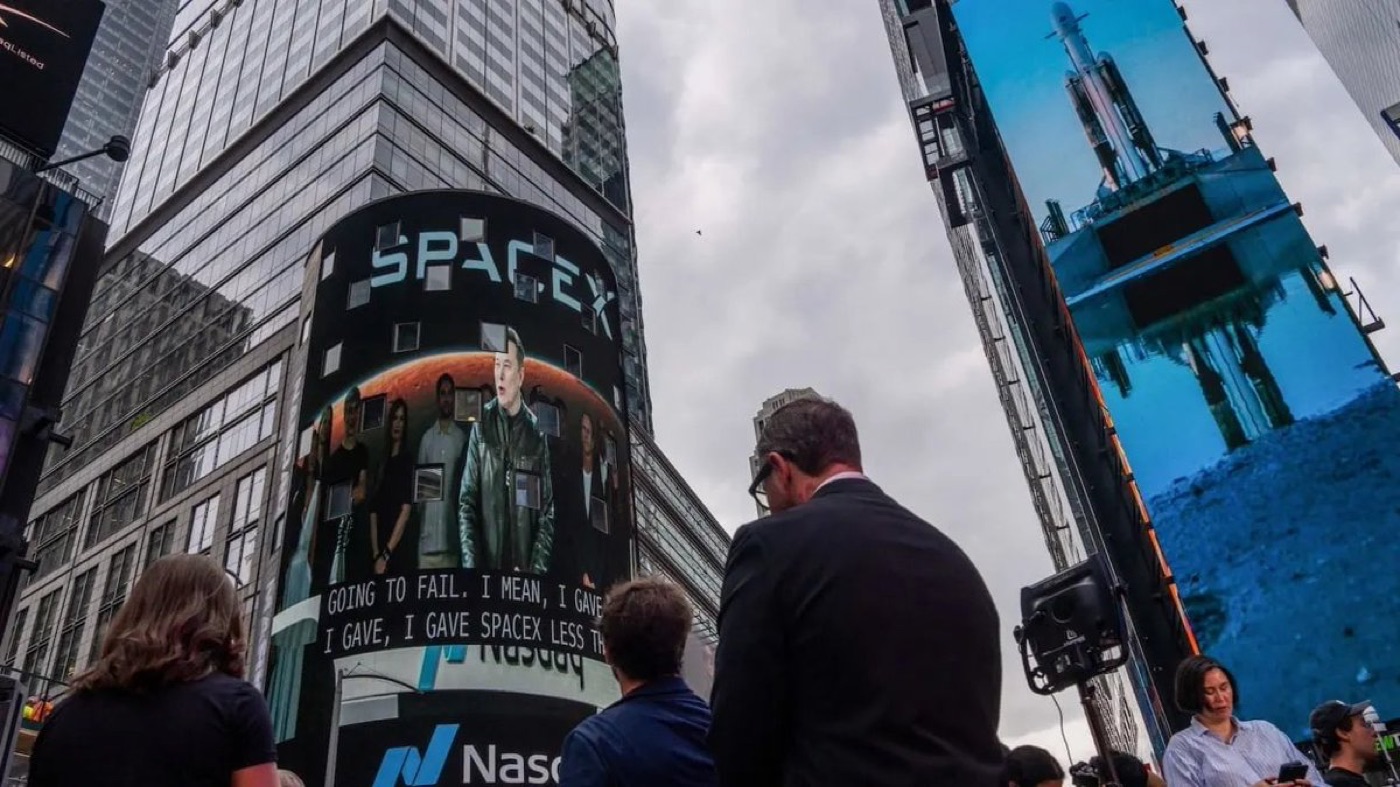
In mergers and acquisitions, @RocketLab agreed to buy @IridiumComm for $8B and @MDA_space to buy Blue Canyon for $620M, prices that become the yardstick.
When buyers and public markets pay this much, private companies get valued against them, and the top pulls up everything beneath it.
Large generalist funds led the biggest rounds: @generalatlantic on Iceye, @137ventures on Impulse, @IndexVentures on @CowboySpaceCorp.
The specialists who built the field were in these rounds but not leading them, and who leads decides who gets in first and on what terms.
This report walks through the full quarter, then returns to what that shift means for anyone trying to reach these deals.
Shape of the quarter
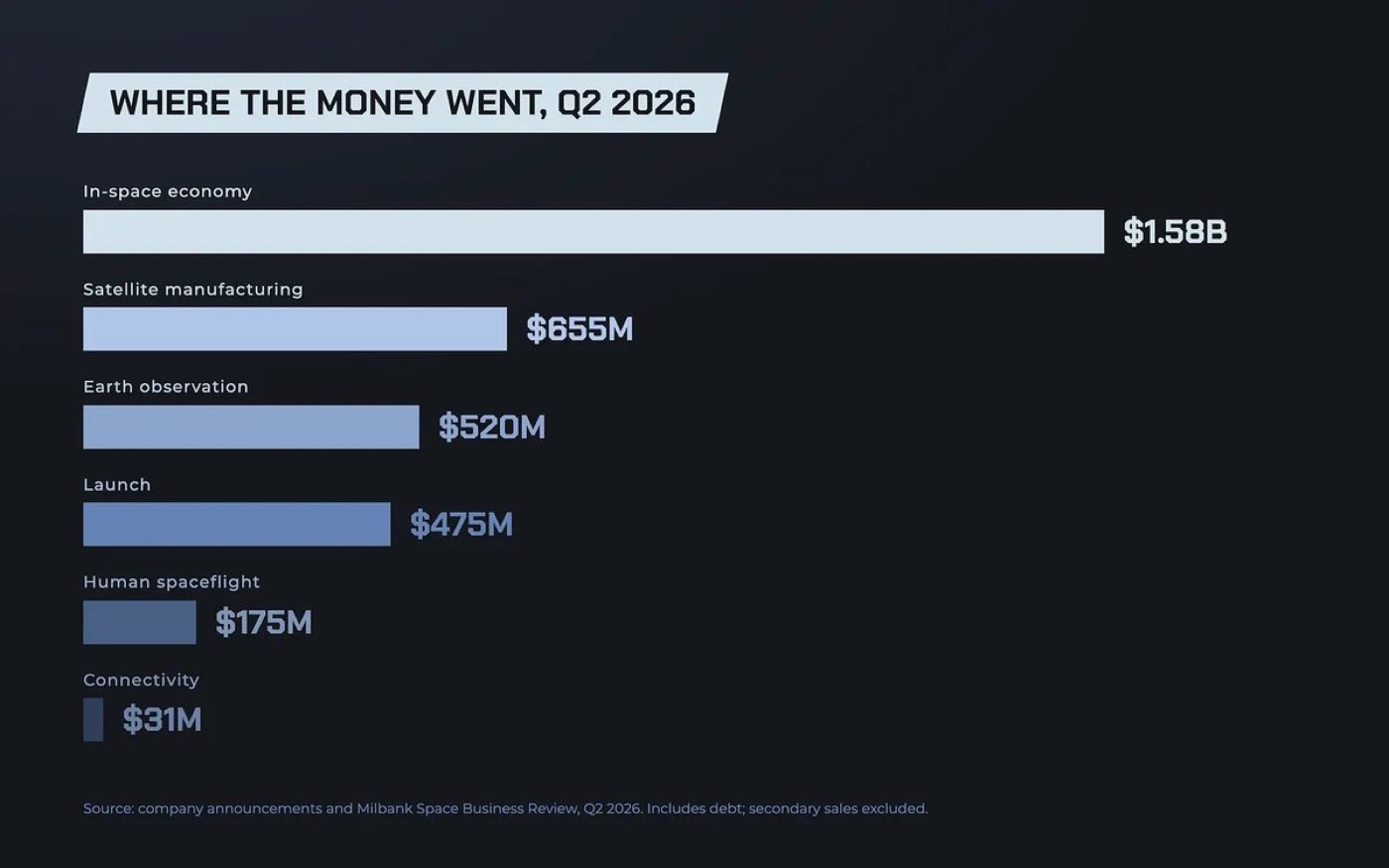
The in-space economy raised the most last quarter, roughly $1.6B, covering the companies that operate once a spacecraft is already up there, moving it between orbits, servicing satellites, watching other objects, and building in space.
Satellite manufacturing followed at $655M, then Earth observation, launch, and human spaceflight, each a few hundred million.
Connectivity was a rounding error next to them. Capital favored what happens in orbit over what it takes to get there.
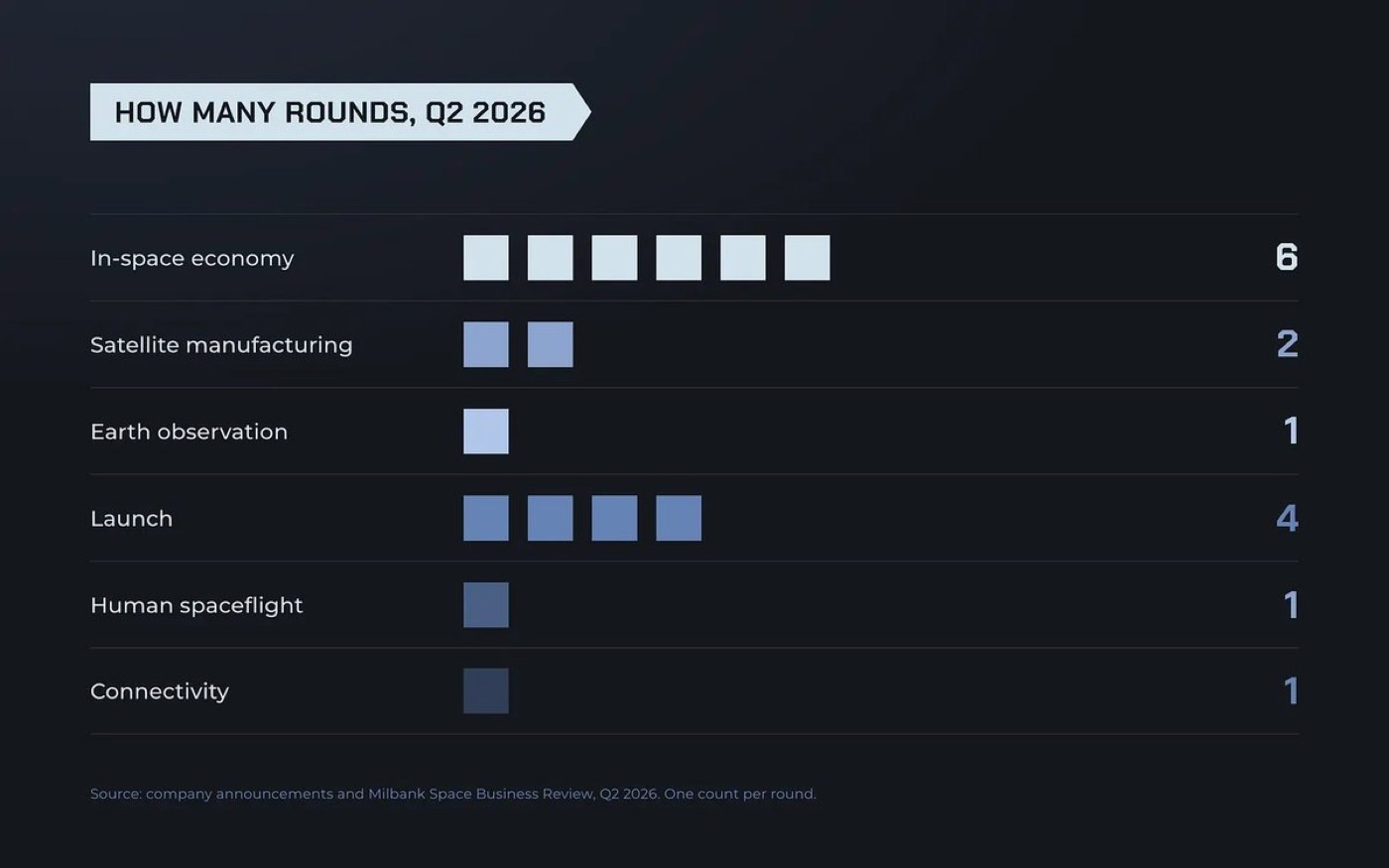
The in-space economy led on both money and deals with 6 rounds, while launch had the next most at 4, though smaller ones, splitting $475M where in-space raised $1.58B.
Launch went the other way, more deals but much smaller ones. What a company did in orbit shaped how much it could raise at once.
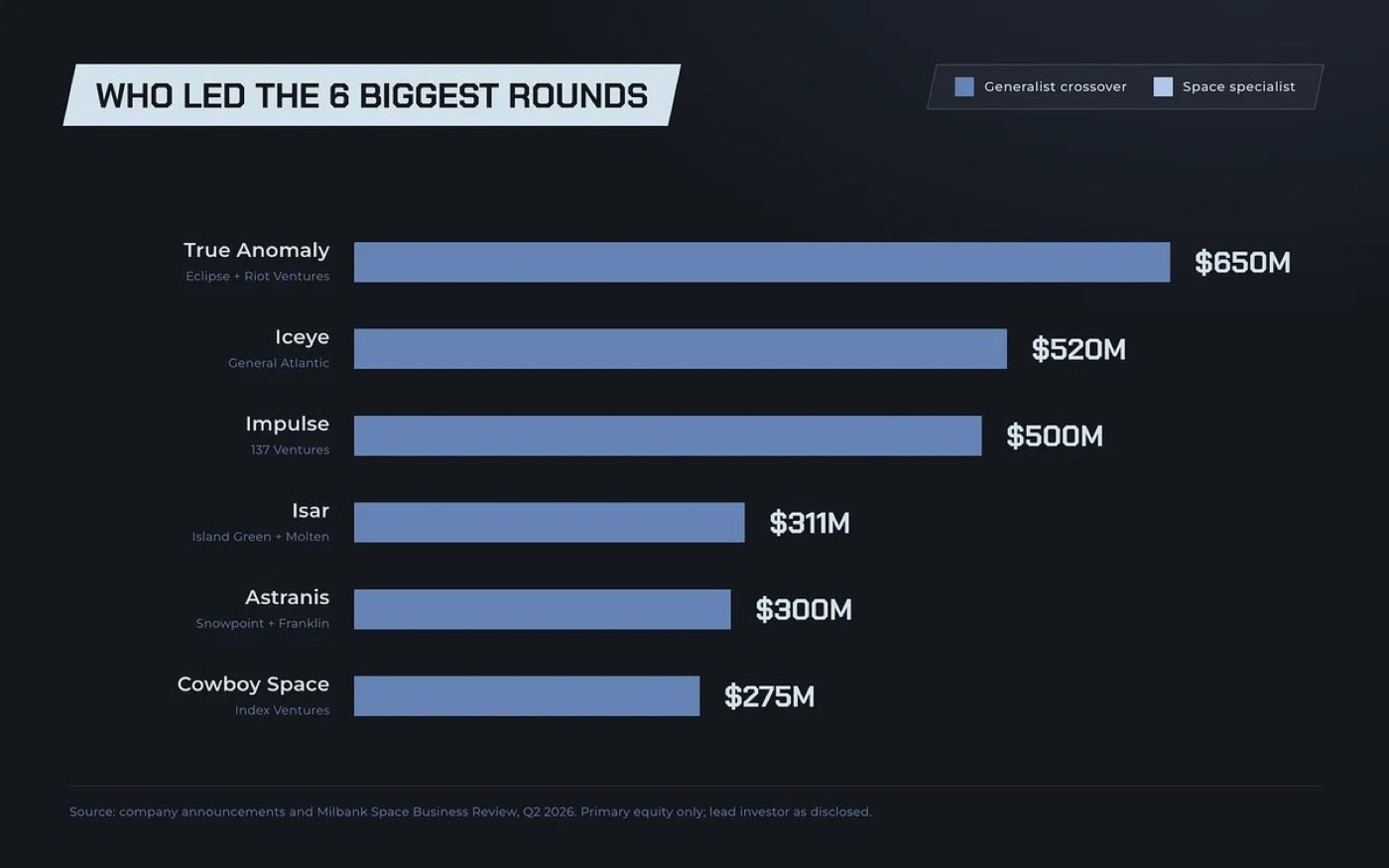
True Anomaly, Iceye, Impulse, Isar, Astranis, and Cowboy Space were the six largest rounds, every one led by a large generalist fund and not one by a space specialist.
The firms that know space best were no longer the ones setting the price on its biggest deals. That is the thread this report picks back up at the end.
IPOs and Acquisitions
In June, two space companies went public and a third announced it would.
SpaceX raised $85.7B in its listing, the largest IPO in history, @applied_ad raised $650M, and @QuantumSpace_US announced it would go public through a shell-company merger that brings $300M of fresh money.
A public listing puts a hard number on what a company is worth, so once SpaceX carries that price every private space company is measured against it, and each large acquisition adds another benchmark.
Rocket Lab agreed to buy satellite operator Iridium for $8B and MDA Space to buy satellite maker Blue Canyon for $620M. @voyagertech_ took @astrobotic for $162M with more tied to performance, and @GilatSatNet took @ComtechTel’s satellite unit for $157.5M.
An acquisition sets a different kind of price, showing what a whole company is worth to a buyer willing to own all of it, in real cash.
Private valuations in Q2 rested on the public listings and sales happening alongside them. The top moved first and the private rounds followed, so here they are.
The Deals
In Q2 2026, 15 space companies raised money, and the largest checks went to a handful at the top, starting with True Anomaly.
True Anomaly
True Anomaly raised the quarter's biggest round, $650M at a $2.2B valuation, co-led by frontier-technology investors @EclipseVentures and Riot Ventures rather than space firms.
The company builds autonomous spacecraft the military uses to track and approach other objects in orbit, and it already has hardware flying and defense contracts signed.
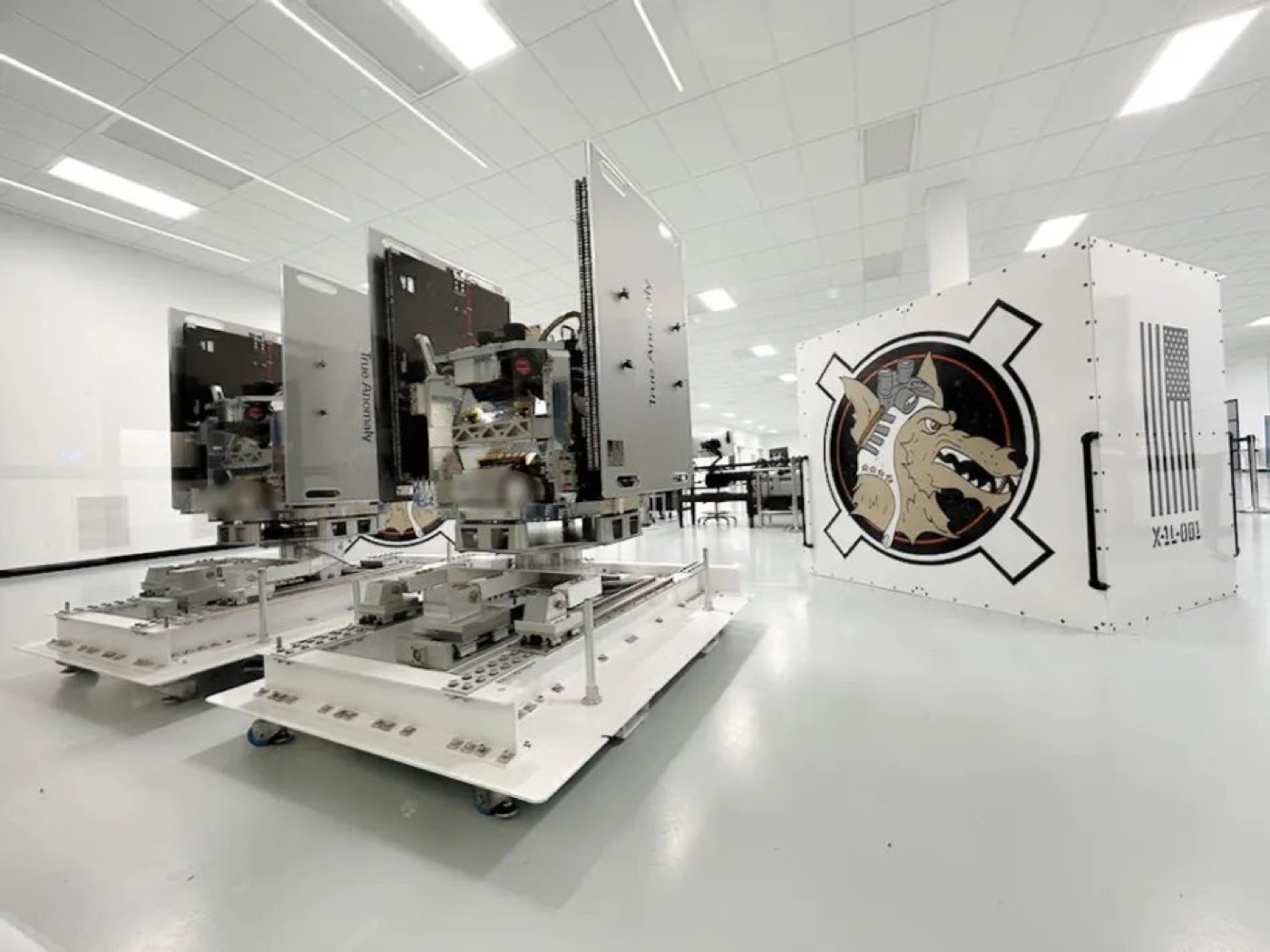
A year earlier it raised $260M at a $916M valuation, so this round more than doubled its price in twelve months.
CEO Even Rogers @jollyrogersta wrote much of the U.S. military’s space doctrine, and his co-founders are career @usairforce space operators, cementing their moat and their access.
Real government demand and proven hardware are what a large generalist fund needs before a check this size, and leading it took capital and conviction, not space expertise.
Iceye tells a similar story, with the money coming from even further outside space.
Iceye
Iceye raised a €450M Series F, about $520M, at a valuation above €10B, led by General Atlantic alone, a generalist growth fund with no particular focus on space.
Iceye runs the world's largest fleet of radar imaging satellites, selling the data to governments and defense buyers at a profit on roughly €200M of revenue.
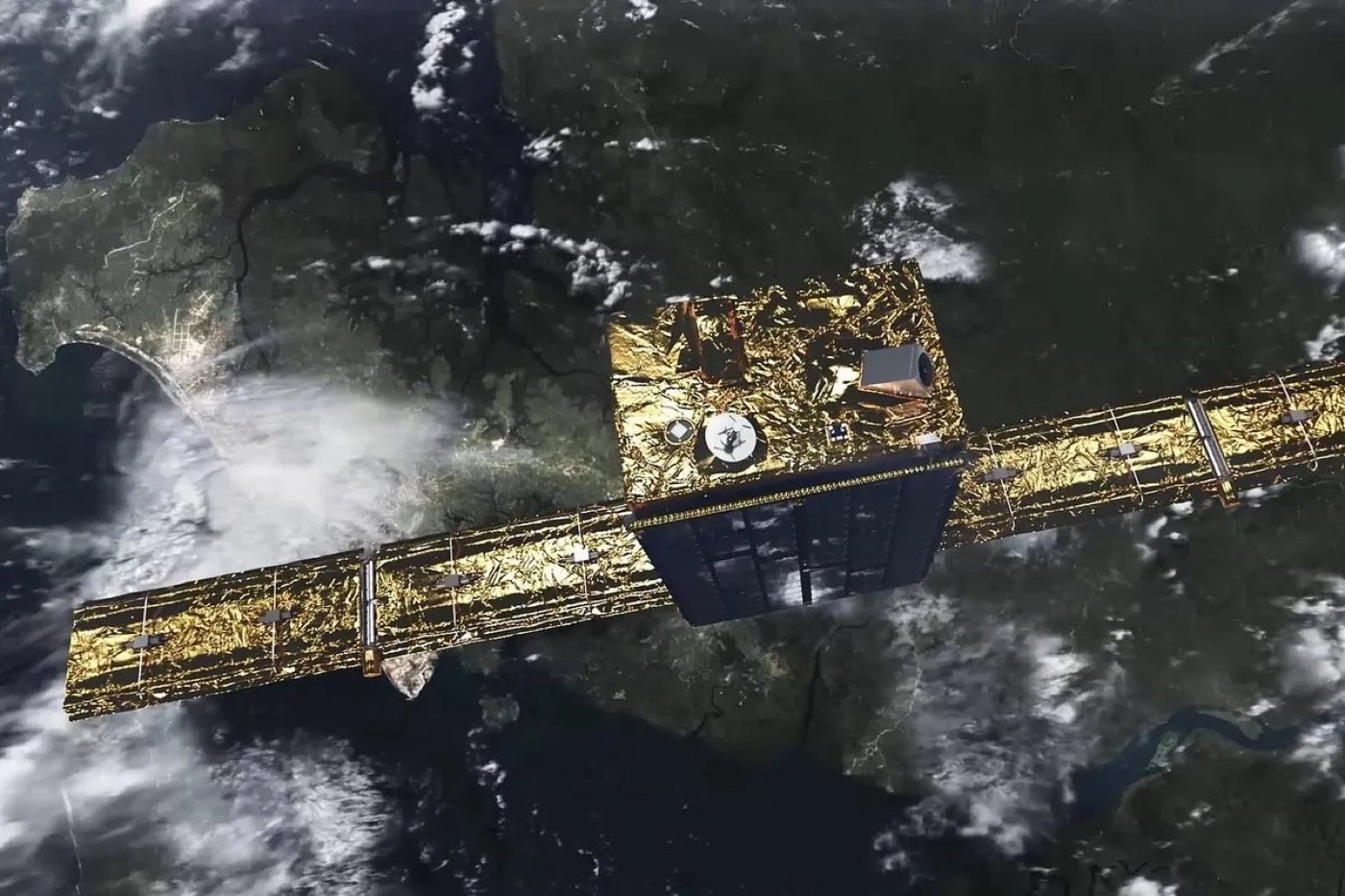
Six months earlier it raised at €2.4B, so this round marked its price up more than fourfold, and counting a secondary sale the full round topped €1B.
Founders @rmodrzewski and @pekkalaurila built the fleet, but the moat is the fleet itself and the seven European governments that now buy sovereign systems from it.
General Atlantic was not the first generalist to bet here. @generalcatalyst set the €2.4B mark six months earlier, following a price another crossover had already set.
Impulse shows the same shift again, this time on the strength of a founder the whole industry already knew.
Impulse Space
Impulse Space raised $500M at a $4.26B valuation, co-led by 137 Ventures and Banner VC, both generalist funds.
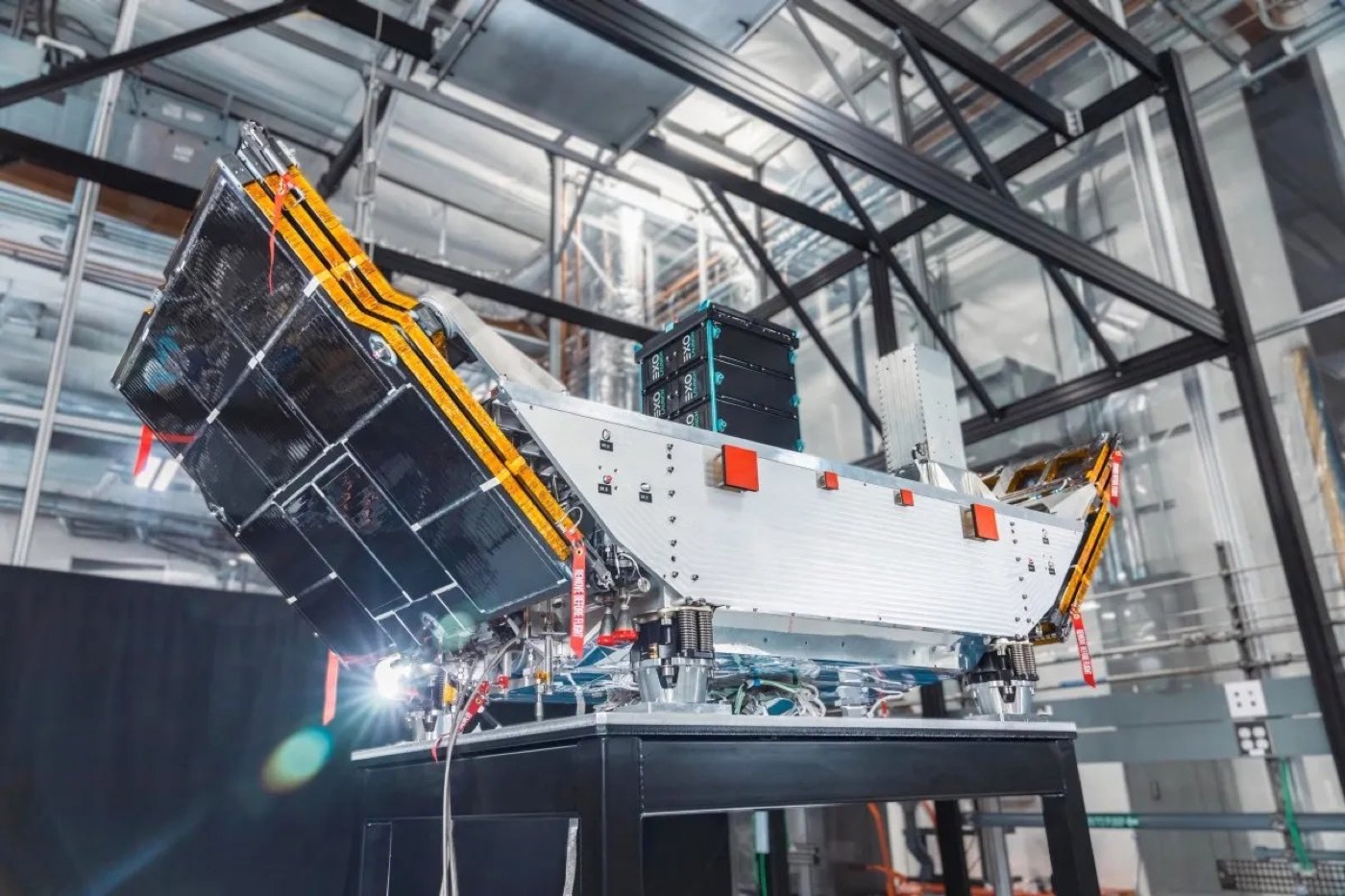
Impulse builds the vehicles that move satellites between orbits after launch, plumbing the space economy needs, and its first has already flown three times.
A year earlier it raised a $300M Series C, so this round more than doubled the company's size in twelve months and pushed total funding past $1B.
CEO Tom Mueller @lrocket was the first person @elonmusk hired at SpaceX, and he built the engines that got it off the ground.
Before SpaceX, he spent 15 years at TRW, rising to vice president of propulsion and leading its most powerful rocket engine.
At SpaceX, he led the Merlin that still powers the Falcon 9, the thrusters that fly the Dragon capsule, and the early work on what became Starship.
Few people alive have taken a rocket engine from a blank sheet to hundreds of flights, and his aim at Impulse follows from that.
He believes launch is largely solved and the real gap is moving things around once they reach orbit, so he is building the layer above the rocket.
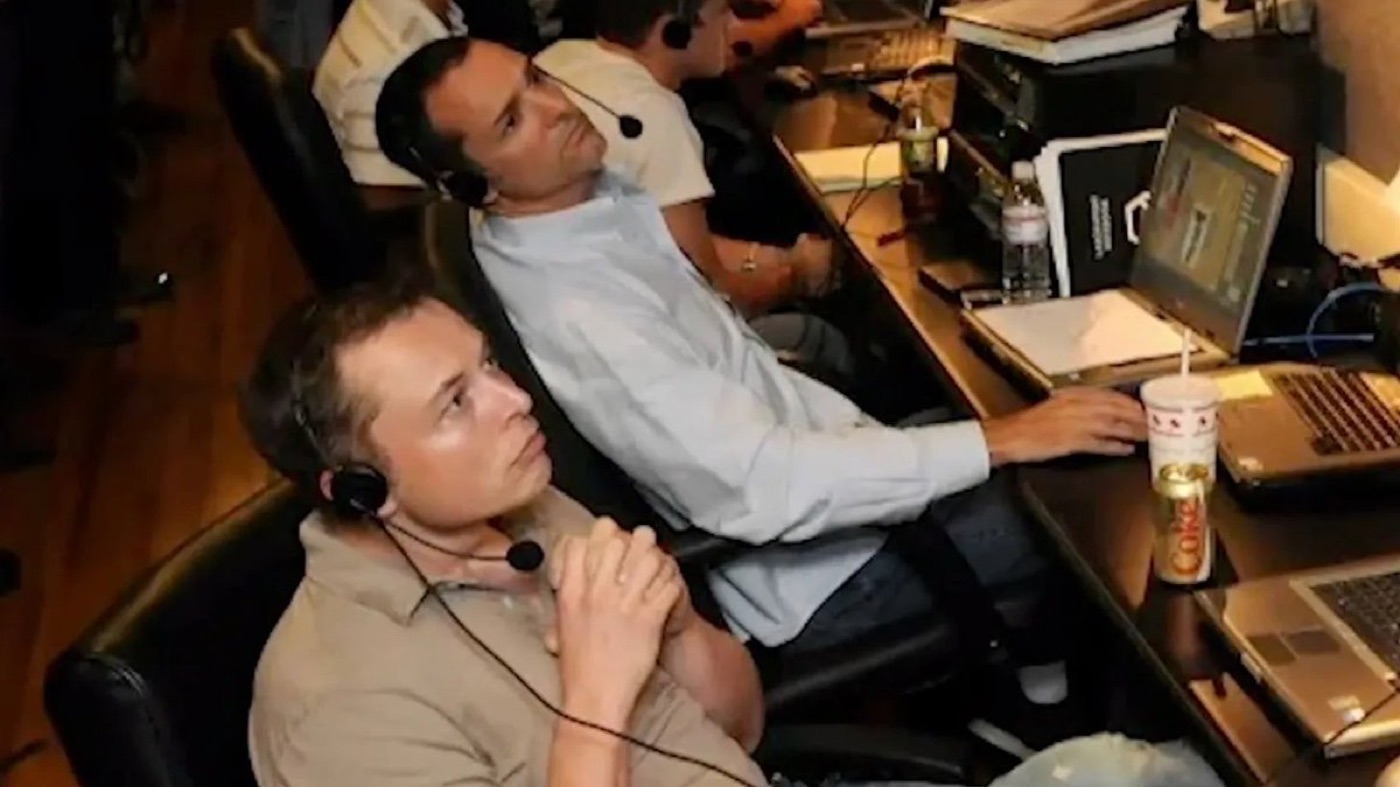
A generalist cannot judge a rocket engine, but with Mueller it does not need to, because the man who built the best now proves the technology, draws the engineers, and opens the government doors himself.
It also makes his read on the market believable, since he built the last layer of the space economy and is betting on the next.
Every round so far had a different lead. Apex is where one name shows up twice, and that repetition is the whole point of what follows.
Apex
@Apex_Spacecraft raised $200M at a $2.3B valuation, led by @GladeBrookCP and co-led by @WashingHarbour, a defense investor that led another round this quarter.
Apex makes satellite buses, the standard body a satellite carries its equipment on, building them ahead of orders so buyers get one off the shelf instead of waiting years for a custom design.
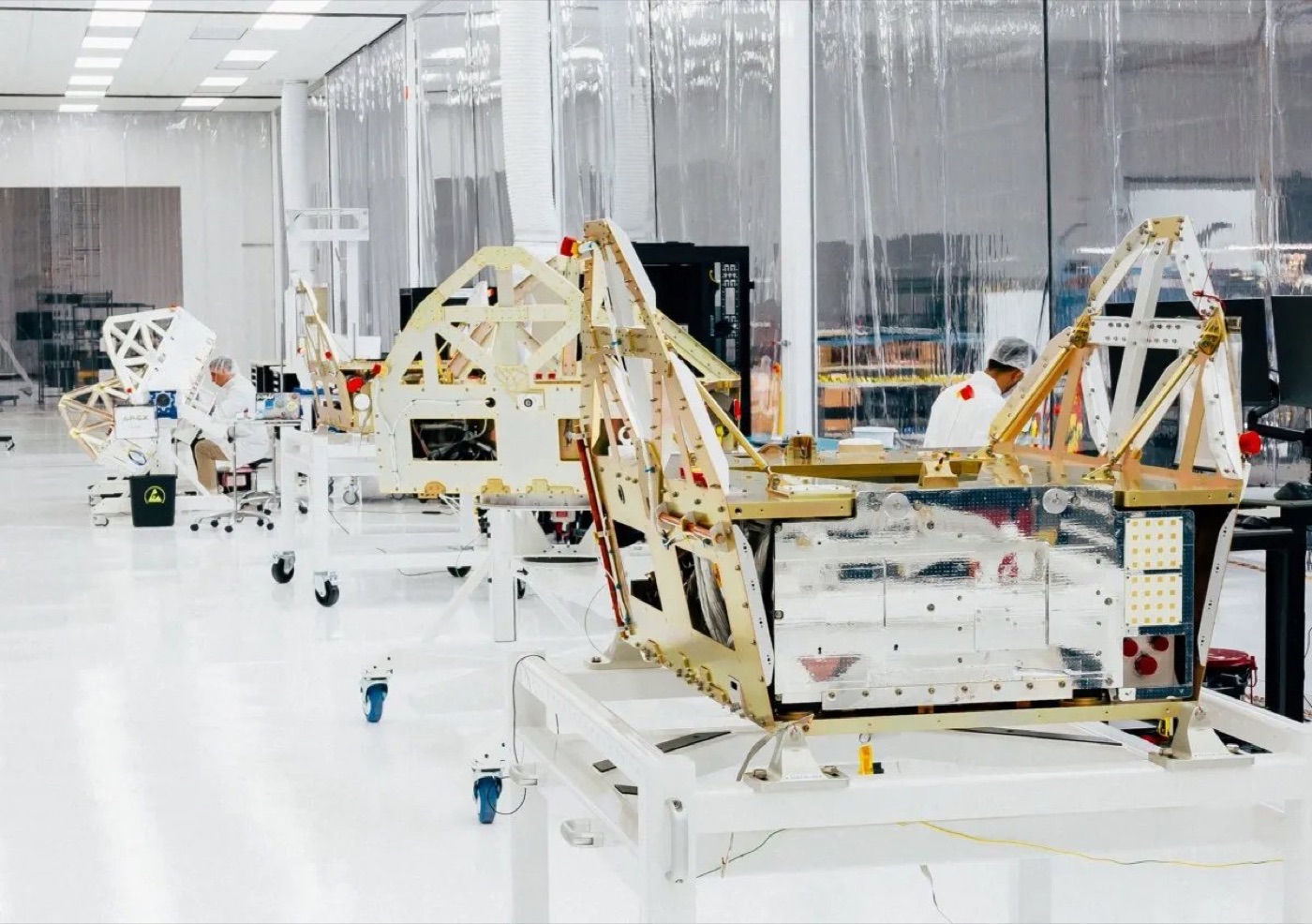
Nine months earlier it raised above $1B, so this round nearly doubled its price again in its third $200M raise in 14 months.
@IanCinnamon sold his last company to @PalantirTech, and co-founder @mxbenassi spent years scaling production at SpaceX, so the pair brings together government software instincts and the manufacturing muscle the model depends on.
The moat is the model itself, building satellites like products rather than one-off projects, in a market where the standard is still handmade.
The last of the big rounds is Cowboy Space, and its capital came from a founder the market knew from a different industry entirely.
Cowboy Space
@CowboySpaceCorp raised $275M at a $2B valuation, led by Index Ventures, bringing its total raised to $355M.
Cowboy builds satellites that gather solar power in orbit and run AI computing up there, and it is building its own rocket to launch them.
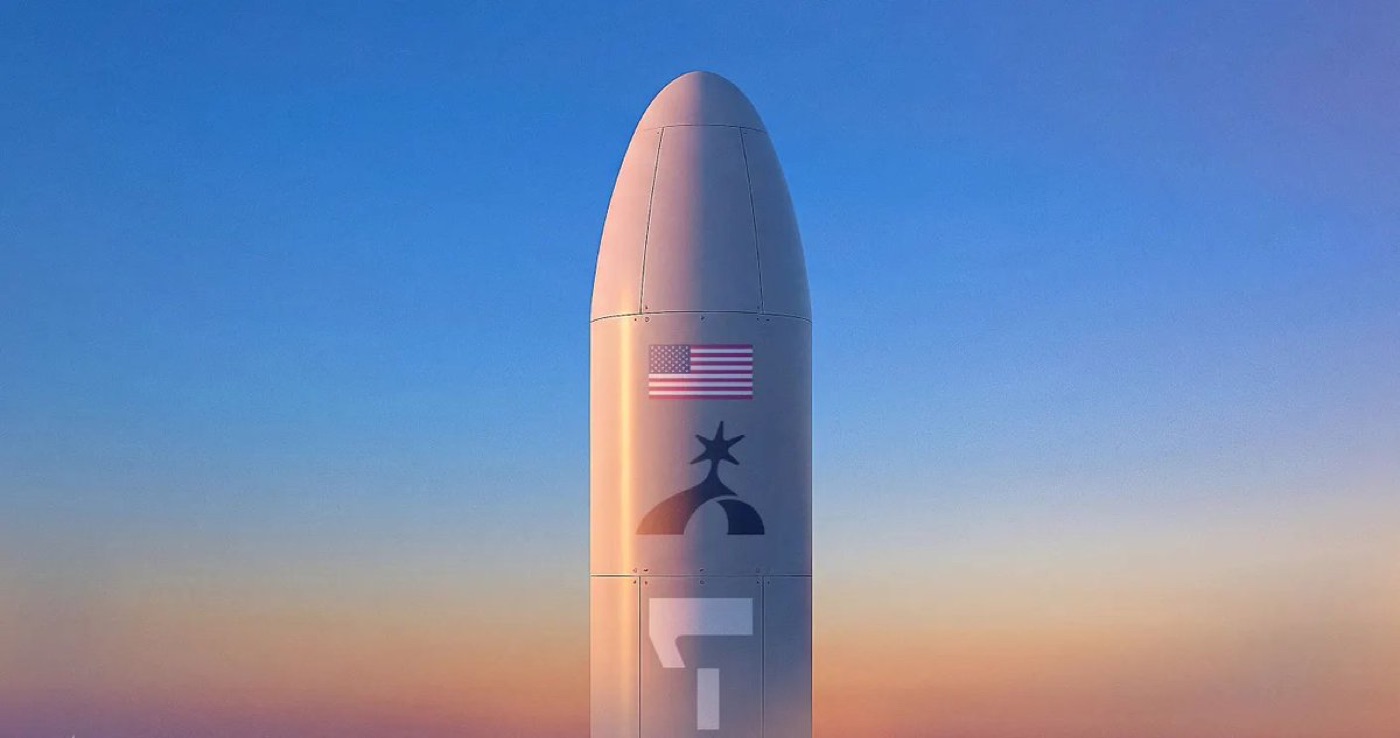
It started in 2024 as Aetherflux, beaming solar power down to Earth, then pivoted to running that power in orbit and renamed itself this year.
Founder @BaijuBhatt co-founded @RobinhoodApp, the app that brought stock trading to millions of phones, before turning to space.
A founder who took a company public at tens of billions can raise on the promise of the next, which is why a syndicate of large generalist funds formed around an idea still years from orbit.
Index Ventures led, and Andreessen Horowitz followed. @a16z had backed another space round earlier in the quarter, so this is the second investor to appear twice, and the second sign that the same names keep reaching these deals.
Cowboy is the last of the big deals. Below them sit the smaller rounds, which raised less but still say something.
Isar Aerospace
@isaraerospace raised €270M, about $311M, in a Series D led by Island Green Capital and @MoltenVentures, with Germany’s state investment bank among the backers.
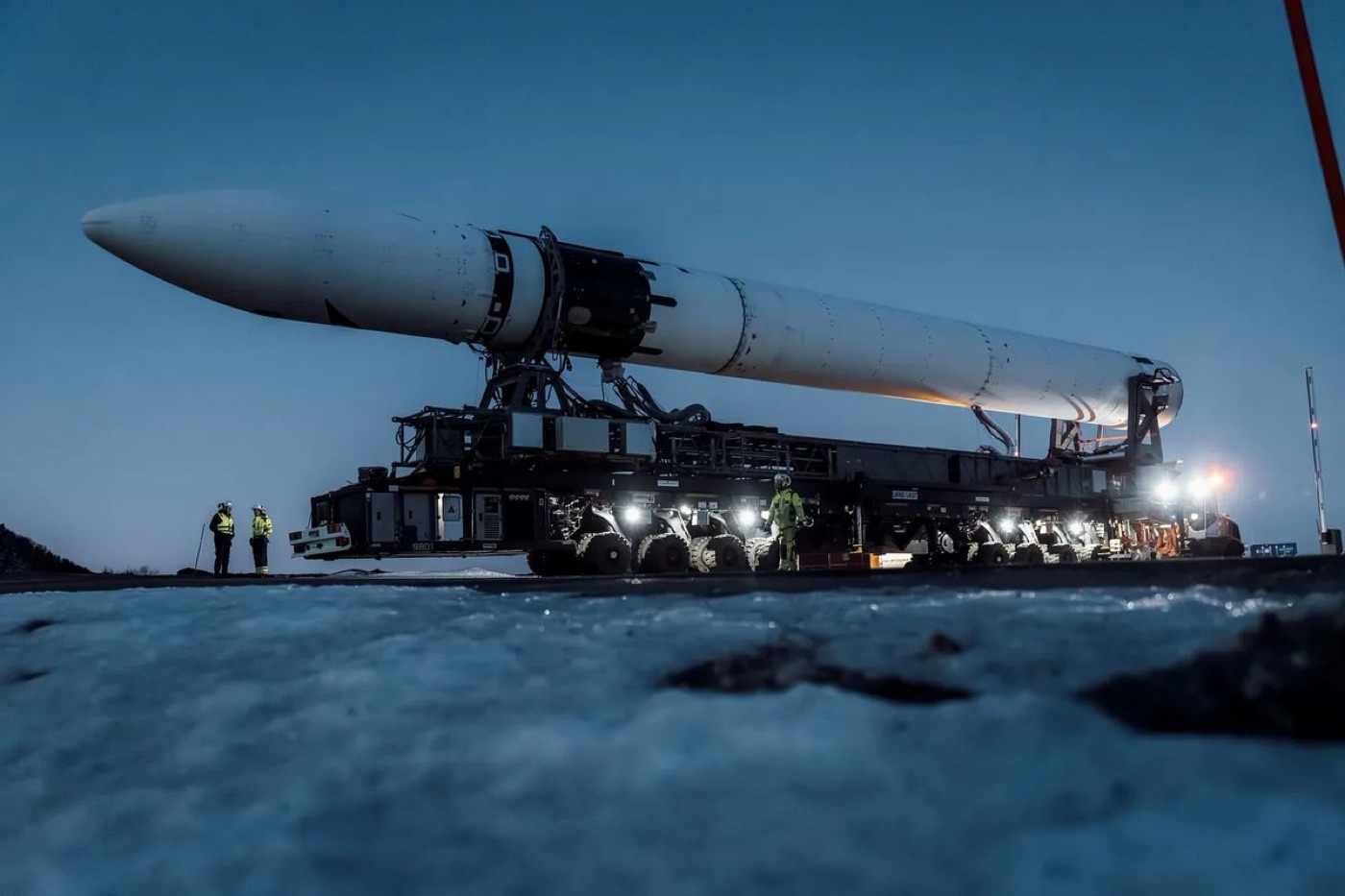
Isar builds Spectrum, a small launch vehicle, and is among Europe’s most-funded launch startups. It raised this round before Spectrum had reached orbit, with one failed test flight behind it.
Astranis
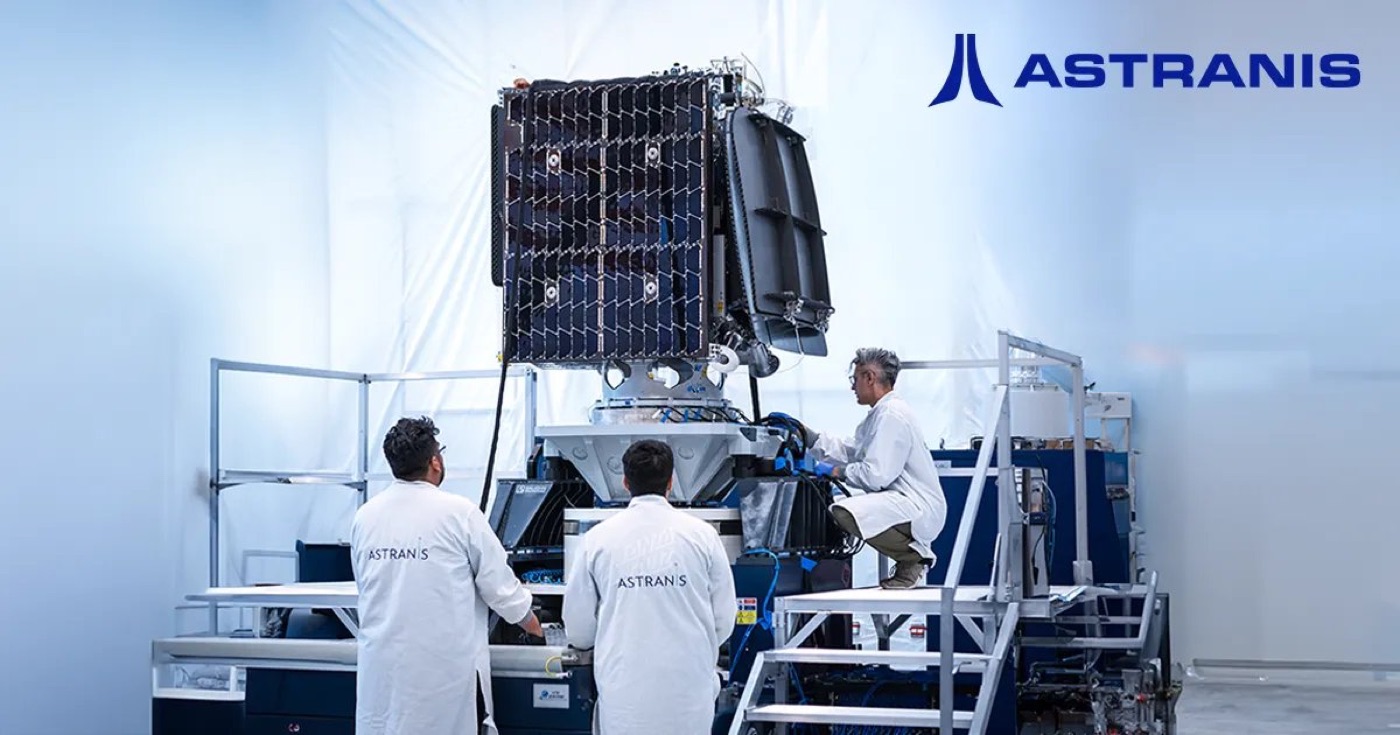
@Astranis, founded in 2015 and based in San Francisco, raised a $300M Series E at a $2.8B valuation, co-led by @SnowpointVC and @FranklnTempletn, alongside $155M in debt.
Astranis builds small geostationary communications satellites that deliver internet to remote and underserved regions.
Axiom Space
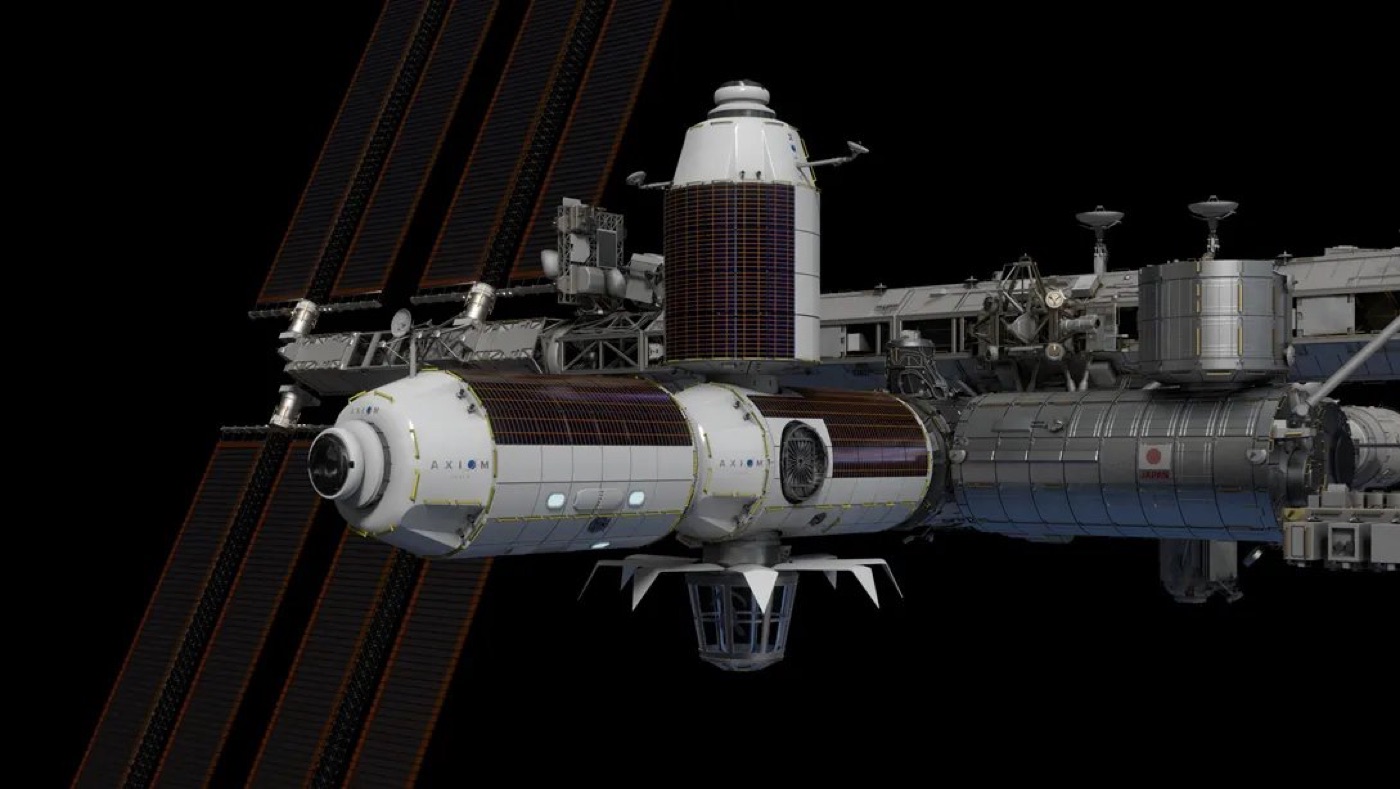
@axiom_space closed an oversubscribed round at more than $525M, a $175M extension on February's $350M, with Japan's largest bank, @mufgbk_official, joining as a new investor.
The money goes toward its commercial space station and its @NASA spacesuit contract.
Axiom builds commercial space station modules and flies private astronaut missions to the International Space Station. Founded in 2016, it is based in Houston.
Those were the rounds that moved the quarter. The rest spread across launch, connectivity, and orbital services.
The rest of the quarter
The rest of the quarter's rounds were smaller, but they add to the thesis.
- @TurionSpace raised more than $75M in a Series B led by Washington Harbour Partners, building satellites for space domain awareness, based in California.
- Cosmoleap (legal name Beijing Dahang Yueqian) raised $73M, about ¥500M, co-led by Qianhai Ark and Puhua Capital developing a reusable rocket with a tower-catch recovery system, based in China.
- @SkyrootA raised $60M co-led by Sherpalo Ventures and Singapore’s GIC, at a $1.1B valuation, building the Vikram launch vehicle, based in Hyderabad, India.
- @PortalSpaceSys raised $50M in a Series A led by @GeodesicCap and @Mach33_aero, building spacecraft that move between orbits, based in Washington state.
- @PLD_Space raised €30M, about $35M, in venture debt from the @EIB, developing the MIURA 5 launcher, based in Spain.
- Univity raised €27M, about $32M, in a Series A co-led by Blast and @ExpansionVC with France's @Bpifrance, building space-based 5G connectivity, based in Paris.
- @AtmosSpaceCargo raised €25.7M, about $28M, in a Series A co-led by @BalnordVC and Expansion Ventures, building capsules that return cargo from orbit, based in Germany.
A few of these names have already appeared above, which the next section takes up.
Who’s writing the checks
A handful of investors kept showing up round after round, and who they were reveals who gets into these deals early and who only hears about them once they’re closed.
The largest rounds were led by generalists new to space, starting with General Atlantic, a $126B firm founded in 1980 on names like @Uber and @stripe, whose first real space bet was leading Iceye's $520M round.
Index Ventures, which led Cowboy Space, is a $13B generalist founded in 1996 with no prior space investments.
Glade Brook, which co-led Apex, is a $4B growth firm whose space and defense book had been building through names like SpaceX and @stoke_space.
They are not space investors, only large pools of capital chasing growth.
137 Ventures, the $15B fund that led Impulse, is the one lead with real space history, having backed SpaceX since 2010 into a 1%-plus stake, and its whole model is built on getting into the rounds most investors never reach.
Generalists were not the only outsiders leading these rounds. Some of the largest checks came from governments themselves.
When governments invest
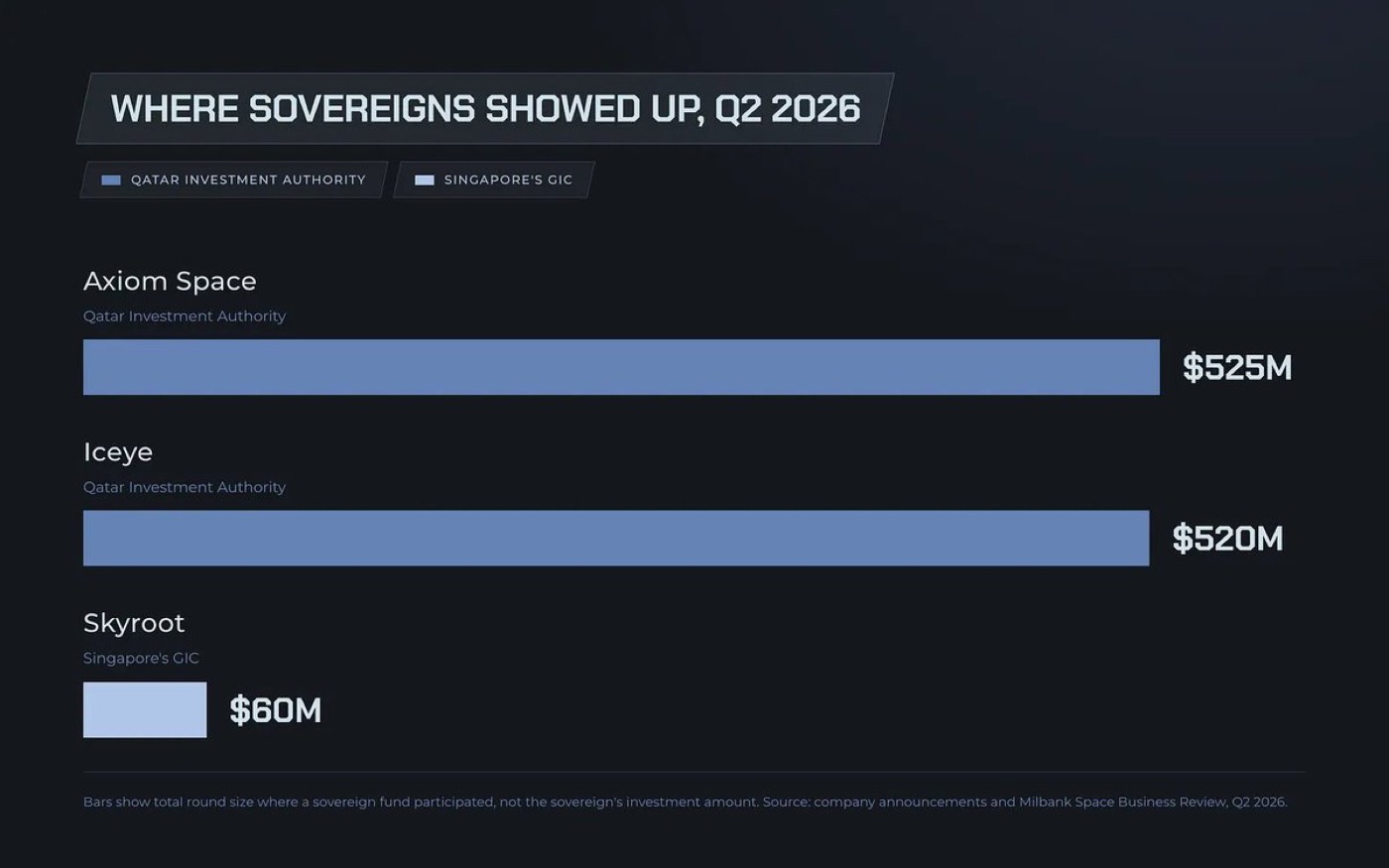
Starting with the @QIA_QA, a $500B fund with its own satellite operator, backing Iceye and Axiom, to Singapore's GIC co-leading Skyroot.
Sovereign capital is not chasing returns alone here, it is buying strategic exposure to space infrastructure, and it appears specifically in the rounds tied to sovereign systems and national capability.
Washington Harbour, the only investor to lead more than one round, is not a space fund but a $4.7B national-security firm that led Turion and co-led Apex in Q2 2026.
Defense-space rounds were led by defense investors, not space funds or generalists, because these deals turn on knowing the buyer, not knowing spce.
a16z recurs too, in Astranis and Cowboy, but only as a follower, through its American Dynamism arm inside a roughly $90B generalist.
Then there are the actual space specialists, and this is the part that matters most, yet the dedicated space funds show up almost nowhere in the rounds that count.
Where the specialists went
Expansion Ventures, a €300M European aerospace fund, co-led Univity and Atmos, two of the smallest rounds of the quarter.
@seraphim_space, the sector's best-known space specialist and a publicly listed space investor, appears once, as a participant in a €25.7M round.
The specialists recur only at the bottom of the table, because a small fund cannot write a $300M lead check, so its network gets it into deals early but can only lead the ones small enough for its capital.
So the specialists were present but sidelined, in the small rounds, never the large ones. Put the three groups together and the shape of who gets access comes into focus.
The shape of access
We've seen it three times now, generalists and sovereigns taking the mega-rounds, defense capital the defense-space rounds, specialists only the small deals, and the firms that know space best aren't setting the terms.
These companies could pull capital from investors with no space background because each had already answered the question a specialist is normally paid to answer.
True Anomaly had hardware flying and contracts signed, Impulse had the founder who built SpaceX's engines, Iceye had revenue and government customers, and Apex had hardware in production.
Space investors fall into two camps, the dedicated funds with the networks and knowledge but small checks, and the generalist megafunds and sovereigns with far bigger pools.
Once a company has visibly retired its technical and market risk, leading no longer takes sector expertise, only capital. So as rounds grew to $300M and $500M, the lead passed to whoever could write the biggest check, and that is never the specialist.
For an LP, the real signal is early access, not late capital. Once a round hits $300M, the biggest checkbook wins, so the edge that matters is getting into these companies years before, when a specialist's network still decides who gets in.
So that's who's funding space right now, and how. What follows is what it means for anyone deciding where to put money next.
Key Takeaways
Note: the sector-wide figures below come from the Generation Space and Seraphim Q2 indexes, which define space more broadly than this report, so their totals should not be added to the figures used here.
The Market
First, the shape of the quarter itself.
- Space is graduating to mega-rounds. Late-stage Series D+ rounds jumped 123% YoY, from 22 to 49, and every one of the quarter's biggest rounds cleared $250M, a size that not long ago would have topped the year.
- The exits reset the prices. SpaceX raised $85.7B going public and sector M&A ran roughly four times the year before, and those public and strategic prices are the yardstick private rounds now get measured against.
- The capital is bunched at the top. Growth money is pouring into proven late-stage leaders while the earliest stages stay thin, which is where the sector is most exposed and where an early position is worth the most.
The market got bigger at the top and thinner everywhere else.
The Magnets
Next, why the money went where it did.
- Where valuations were disclosed, the repricing was steep. True Anomaly more than doubled its price in a year, Iceye rose more than fourfold in six months, and Astranis climbed to $2.8B from $1.6B in 2024.
- Generalist money showed up once the risk was gone. Every company that landed a generalist lead had already proven the hard part worked, with hardware flying, a proven founder, real revenue, or a product being built at scale.
- Government demand is behind the biggest rounds. The largest defense-space rounds trace back to national-security demand, which is what let outside capital fund them without having to judge the technology itself.
In every case, the risk was gone before the big check arrived.
The Winners
Finally, who won these rounds, and what it means for you.
- The space specialists no longer lead the rounds that matter. Not one of the biggest rounds was led by a dedicated space fund, and the specialists that did recur, like Seraphim and Expansion, showed up only in the smallest deals.
- The investors that keep showing up are defense funds and governments, not space funds. Washington Harbour led two rounds, Qatar's QIA backed two, and Singapore's GIC and a16z's defense arm turned up again, while the sector's own specialists led none.
- Access now comes down to check size. As rounds grew to $300M and $500M, the lead passed to whoever could write the largest check, which a small specialist fund cannot do no matter how good its network.
- Read the cap table for access, not brand. A generalist, sovereign, or defense lead says more about a company's next raise than any space specialist does.
So that’s the quarter. Six companies took the biggest rounds, and not one was led by a space fund. The people who built this industry are still in the room, no longer the ones writing the checks that decide it.
Which leaves the question the next quarter will answer. When the next $500M round opens, does a space specialist finally lead it, or is the check simply too big again?